1-888-502-0951
  • Formerra+ Login |
Contact Us
  • Products
    • Products
    • Polymers
    • High-Performance Polymers
    • Sustainable Solutions
    • Elastomers, Adhesives, Sealants
    • Chemistries
      • Chemistries
      • Acrylonitrile Butadiene Styrene (ABS)
      • PC/ABS Blends
      • Polycarbonate (PC)
      • Polyethylene (PE)
      • Polypropylene (PP)
    • Products Tap into our expert guidance and product range to uncover solutions that align with your specific application demands. Explore Solutions
  • Suppliers
    • Suppliers
    • AmSty
    • Avient
    • BASF
    • Celanese
    • Chevron Phillips
    • Covestro
    • Delrin
    • Dow
    • DuPont
    • Eastman
    • Evonik
    • GEON
    • H.B Fuller
    • INEOS
    • INEOS Styrolution
    • INVISTA
    • LyondellBasell
    • Nylene
    • Pinnacle Polymers
    • PMC Polymer Products
    • PureCycle
    • RheTech
    • Syensqo
    • Techmer PM
    • Trinseo
    • Westlake Chemical
    • Suppliers We partner with world-class suppliers to provide performance materials and expert support so you can choose with confidence. Find Suppliers
  • Industries
    • Industries
    • Healthcare
    • Outdoor & Powersports
    • Consumer​
    • Mobility
    • Packaging
    • Industrial
    • Electrical & Electronics
    • Building & Construction
    • Industries Supporting diverse industries with advanced materials and expert insight tailored to your specific application needs. View Industries
  • Capabilities
    • Capabilities
    • Technical Support
      • Technical Support
      • Material Selection
      • Process Development & Optimization
      • Training
      • Troubleshooting
    • Quality Compliance
      • Quality Compliance
      • REACH Compliance
    • Supply Chain Optimization
    • Capabilities Optimize production with Formerra’s expert support in technical guidance, supply chain solutions, and compliance. Learn More
  • Resources
    • Resources
    • Blog
    • Datasheets
    • Documentation
      • Documentation
      • ISO Certificate
      • ISCC Certificate
      • Terms and Conditions of Sale
      • W9 and Supporting Document
    • Line Cards
      • Line Cards
      • Supplier
      • High Performance Polymers
      • Sustainability
      • Automotive
      • Healthcare
      • Outdoor High Performance
    • Product Literature
    • Resources Your one-stop hub for blogs, line cards, certifications, brochures, and essential safety and technical documentation. Access Resources
  • About
    • About
    • Global Network
      • Global Network
      • Asia
      • Central America
      • Europe
      • North America
    • Value Chain
    • Careers
    • Leadership
    • Newsroom
    • About Formerra is a next-gen materials distributor empowering innovation through expertise, collaboration, and technical support. Our Story
  • Formerra+
    • Formerra+
    • Login
    • Register
    • Track Orders
    • Shop Products
    • Formerra+ Get 24/7 access to real-time pricing, product data, and fast ordering with a Formerra+ account. Shop Products
    • formerra
Contact Us

PC/ABS Blends

PC/ABS Blends

Material Category

Engineering Thermoplastic

Typical Fillers / Reinforcements

Glass fiber (10-30%), flame retardants (brominated, phosphorus-based, halogen-free), impact modifiers, mineral fillers, colorants, UV stabilizers, heat stabilizers, mold release agents

Compatible Processes

Injection molding, Extrusion (sheet, profile), Blow molding, Thermoforming

Regulatory

UL94 (flame ratings V-2 to V-0), RoHS, REACH, limited food contact grades available, NSF certifications for specific applications

Find this polymer at Formerra+
Overview Performance Characteristics Strengths, Weaknesses, and Operating Limits Applications Key Industries Design, Assembly & Aesthetics Practical and Commercial Considerations Featured Products and Suppliers Frequently Asked Questions

PC/ABS Blends Overview

PC/ABS blends are high-performance engineering thermoplastics that combine the strength, heat resistance, and dimensional stability of polycarbonate (PC) with the cost-effectiveness and processing ease of acrylonitrile butadiene styrene (ABS). First commercialized in the 1970s, PC/ABS blends have become essential for applications requiring a balanced property set between pure PC and pure ABS.

As a PC/ABS resin supplier, Formerra provides access to multiple blend ratios and formulations optimized for automotive, electronics, appliances, and consumer product applications.

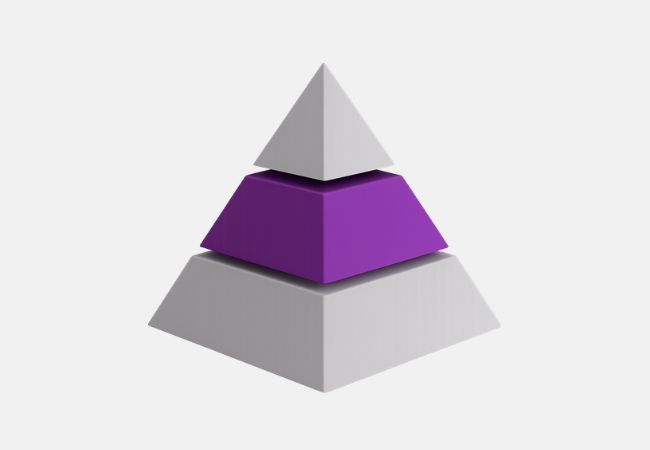
PC/ABS occupies a strategic position in the polymer hierarchy. Commodity thermoplastics like polyethylene, polypropylene, and polystyrene offer low cost and easy processing but limited heat resistance and mechanical strength. Engineering thermoplastics including PC/ABS, pure PC, nylon, and acetal deliver superior heat resistance, impact strength, and dimensional stability at moderate cost. High-performance polymers like PEEK, PEI, and PPS provide extreme temperature capability and chemical resistance but at premium pricing. PC/ABS bridges the gap between commodity and high-performance materials, offering engineering-grade properties at competitive cost.

The PC/ABS blend is a physical mixture rather than a chemical copolymer. PC contributes heat resistance, dimensional stability, and impact strength. ABS provides processability, surface finish, and cost reduction. Blend ratios typically range from 50/50 to 80/20 (PC/ABS by weight), with each ratio offering distinct property profiles. Higher PC content (70/30, 80/20) delivers better heat resistance and impact strength approaching pure PC performance. Higher ABS content (50/50, 60/40) improves flow properties and reduces cost while maintaining adequate heat resistance for many applications. 

Heat resistance exceeds pure ABS while maintaining easier processing than pure PC. Heat deflection temperatures reach 100-115 °C depending on blend ratio and stress level, compared to 88-110 °C for ABS and 132-145 °C for pure PC. This thermal performance supports automotive interior applications, electronics housings, and appliance components where ABS would soften but pure PC would be cost-prohibitive. 

Impact resistance remains excellent across a wide temperature range. The blend maintains toughness from -30 °C to 100 °C, exceeding commodity thermoplastics and matching many engineering polymers. This durability supports applications subject to mechanical shock, drop impact, and repeated stress cycles in consumer electronics, power tools, and automotive trim.

Processing characteristics balance PC and ABS attributes. PC/ABS processes at 230-270°C, lower than pure PC (280-320 °C) but slightly higher than pure ABS (200-250 °C). Melt viscosity falls between the two base polymers, enabling complete mold filling in complex geometries while maintaining good surface finish. Cycle times and energy consumption decrease compared to pure PC while delivering superior heat resistance compared to ABS.

Surface finish quality approaches ABS levels with good gloss and smooth surfaces directly from the mold. The material accepts paint, printing, and decorative finishes without extensive surface preparation. Some PC/ABS blends support electroplating for chrome-finished automotive and appliance applications, though adhesion requires optimization compared to pure ABS plating grades. 

pyramid

Performance Characteristics

Mechanical Properties

Mechanical Properties

Tensile strength

45-60 MPa (unfilled), 70-120 MPa (glass-filled)

Tensile modulus

2,000-2,600 MPa (unfilled), 5,500-9,000 MPa (glass-filled)

Flexural strength

70-95 MPa (unfilled), 110-180 MPa (glass-filled)

Flexural modulus

2,200-2,700 MPa (unfilled), 6,000-8,500 MPa (glass-filled)

Elongation at break

25-90% (unfilled, blend ratio dependent), 3-6% (glass-filled)

Notched Izod impact

300-600 J/m (unfilled, high PC content), 60-140 J/m (glass-filled)

Hardness (Rockwell)

R100-118

Creep / stress relaxation

Moderate

Thermal Properties

Thermal Properties

Continuous use temperature

85-105 °C (blend ratio dependent)

Heat deflection temperature

100-115 °C at 0.46 MPa (unfilled), 105-120 °C at 1.8 MPa 

Glass transition temperature (Tg)

Dual Tg approximately 105-115 °C (ABS phase) and 145-150 °C (PC phase) 

Melting temperature

None (amorphous polymer blend)

Processing temperature range

230-270 °C

Coefficient of linear thermal expansion

70-90 x 10⁻⁶/°C (unfilled), 25-40 x 10⁻⁶/°C (glass-filled)

Thermal conductivity

 0.18-0.24 W/(m·K)

Operating Environment

Operating Environment

Water absorption

0.15-0.30% in 24 hours at 23 °C. Moisture absorption at saturation reaches 0.5-0.8%. Water uptake causes minor dimensional changes and requires pre-drying before processing.

Chemical resistance summary

Good resistance to dilute acids, alkalis, alcohols, mineral oils, and aqueous salt solutions at room temperature. Limited resistance to aromatic hydrocarbons, ketones, esters, and chlorinated solvents. Poor resistance to strong oxidizing agents and concentrated acids. These blends shows better chemical resistance than pure ABS but inferior to pure PC. The ABS component remains the weak link for chemical exposure.

UV/weatherability rating

Poor to fair. Better than pure ABS but inferior to pure PC. UV stabilizers improve performance but do not eliminate degradation. Yellowing, chalking, and property loss occur over extended outdoor exposure. Not recommended for long-term outdoor applications without protective coatings or UV-absorbing topcoats.

Hydrolysis resistance

Good at room temperature in neutral pH environments. Hot water above 70 °C can cause property degradation over time. Steam sterilization generally not recommended for standard grades. PC component provides better hydrolytic stability than ABS alone.

Stress cracking sensitivity

Moderate susceptibility to environmental stress cracking when exposed to organic solvents under load. Aromatic hydrocarbons, ketones, and esters cause stress cracking. ABS component in the blend remains vulnerable to solvent attack, limiting chemical exposure applications.

Electrical Properties

Electrical Properties

Dielectric strength

16-19 kV/mm

Dielectric constant (1 MHz)

2.9-3.1

Volume resistivity

10¹⁴-10¹⁶ ohm·cm

Surface resistivity

10¹³-10¹⁵ ohm/sq

ESD/antistatic behavior

Base material is insulating. Permanent and dissipative ESD grades available with conductive additives for electronics applications.

Flammability

Flammability

UL 94 class

HB (unfilled), V-2 to V-0 with flame retardant additives

Combustion temperature

Typically above 380-420 °C

Smoke/toxicity

Combustion produces CO₂, CO, water, soot, and potentially toxic gases. Smoke density and toxicity depend on additives and flame retardant packages.

Tribological Properties

Tribological Properties

Coefficient of friction

0.35-0.45 static, 0.25-0.35 dynamic

Wear resistance / bearing suitability

Moderate wear resistance. Better than pure ABS, inferior to pure PC. Suitable for light-duty sliding contacts. Not typically used for high-load bearing applications.

Strengths, Weaknesses, and Operating Limits

Key Strengths

  • Balanced Property Profile: PC/ABS delivers an optimal balance of heat resistance, impact strength, dimensional stability, and processability. The material bridges the performance gap between commodity and high-performance polymers, offering engineering-grade properties at competitive cost for automotive, electronics, and appliance applications. 
  • Improved Processability vs. Pure PC: Lower processing temperatures (230-270 °C vs. 280-320 °C) and reduced melt viscosity compared to pure polycarbonate enable faster cycle times, lower energy consumption, and easier mold filling. PC/ABS resin requires less injection pressure and releases cleanly from molds, reducing manufacturing costs in high-volume production. 
  • Better Heat Resistance vs. Pure ABS: Heat deflection temperatures of 100-115 °C exceed pure ABS (88-110 °C) by 10-20 °C, enabling applications where ABS would soften or deform. This thermal advantage supports automotive interior components, electronics housings requiring elevated temperature operation, and appliances with heat-generating elements. 
  • Impact Resistance: Excellent toughness across a wide temperature range (-30 °C to 100 °C) combines PC impact strength with ABS processability. The blend maintains durability in applications subject to mechanical shock, drop impact, and repeated stress cycles where commodity thermoplastics would fail. 
  • Surface Finish Quality: Good gloss and smooth surfaces directly from the mold approach ABS surface quality levels. The material accepts paint, screen printing, pad printing, and hot stamping without extensive preparation. Selected grades support electroplating for chrome-finished decorative applications. 
  • Cost Optimization: Material cost falls between pure PC and pure ABS, delivering engineering thermoplastic performance at moderate pricing. The material enables cost reduction compared to pure PC while maintaining adequate properties for applications where pure ABS heat resistance would be insufficient. 

Known Weaknesses

  • UV Sensitivity: Poor weatherability limits outdoor applications. Better than pure ABS but significantly inferior to pure PC or weatherable polymers like ASA. UV stabilizers improve but do not eliminate degradation. Yellowing, chalking, and embrittlement occur over extended outdoor exposure, requiring protective coatings for exterior use. 
  • Limited Chemical Resistance vs. Pure PC: The ABS component compromises chemical resistance compared to pure polycarbonate. Aromatic hydrocarbons, ketones, esters, and chlorinated solvents attack the material, causing stress cracking under load. Applications involving sustained chemical exposure require careful evaluation or alternative materials. 
  • Recycling Complexity: Physical blends present recycling challenges. Separation of PC and ABS components is difficult in mixed waste streams. Material identification and sorting infrastructure for blends remains limited. Post-consumer recycling is less developed than for pure PC or pure ABS, affecting sustainability considerations. 
  • Property Compromise vs. Pure Materials: By definition, blends compromise the best attributes of both base polymers. Heat resistance falls short of pure PC. Surface finish and processability do not match pure ABS. Applications requiring maximum performance in any single property may benefit from pure materials rather than blends. 
  • Flame Retardant Requirements: Standard grades burn readily with HB flammability rating. Achieving V-2 or V-0 ratings requires significant flame retardant loading, which increases cost and may reduce impact strength. Smoke generation during combustion produces potentially toxic gases, limiting use in applications requiring stringent fire safety standards. 
  • Limited Transparency: Most PC/ABS grades are inherently opaque due to refractive index mismatch between PC and ABS phases. Applications requiring optical clarity must use pure polycarbonate or acrylic. Translucent grades exist but do not achieve true transparency needed for lenses, windows, or optical applications.

Operating Limits

  • Operating temperature envelope: Continuous use temperature 85-105 °C depending on blend ratio (higher PC content enables higher temperatures). Short-term exposure to 110-120 °C acceptable for most grades. Low-temperature performance extends to -30 °C without brittle failure. Elevated temperatures above 105 °C cause creep, stress relaxation, and property degradation over time. 
  • Load/time limits: Design stresses should remain below 30-40% of ultimate tensile strength for long-term static loading due to creep. Stress relaxation is significant at elevated temperatures and under constant strain. Glass-filled PC/ABS grades offer improved creep resistance but reduced impact strength and ductility. 
  • Processing constraints: PC/ABS blends require drying to <0.08% moisture before processing at 230-270 °C to prevent surface defects and hydrolytic degradation. Moderate injection pressures (70-110 MPa) sufficient for most applications. Residence time should be minimized to prevent thermal degradation of both components. Mold temperatures of 60-90 °C produce optimal surface finish and dimensional stability.

Applications

Typical Applications

  • Automotive interior components
  • Automotive exterior components
  • Electronic device housings
  • Business machine enclosures
  • Appliance housings & panels
  • Power tool housings
  • Telecommunications enclosures
  • Electrical system components
  • Durable luggage shells
  • Sporting goods components

Niche Applications

  • Medical diagnostic device housings 
  • Automotive climate control components
  • Industrial enclosures & guards
  • Retail POS & kiosk housings
  • Gaming console & controller shells
  • Audio equipment housings
  • Outdoor lawn & garden housings
  • Marine interior equipment housings
  • Architectural door hardware & fixtures
  • Vending machine panels & mechanisms

Key Industries

Mobility

Electrical & Electronics

Consumer

Industrial

Design, Assembly & Aesthetics

Surface finish capability: Good to excellent gloss achievable depending on blend ratio and mold finish. Opaque in standard grades. Replicates textures and patterns well. Flow lines minimized with proper gate location. Weld lines visible but manageable through design optimization. 

Sink/warpage/visible defects tendency: Minimal sink marks due to amorphous structure and moderate shrinkage (0.4-0.6%). Warpage risk increases with uneven wall thickness. Gate location and cooling strategy critical for dimensional accuracy. Lower shrinkage than pure PC simplifies mold design. 

Colorability: Excellent color range via masterbatch or pre-colored compounds. Deep, vibrant colors achievable. Natural color is ivory to light beige. Bright colors and pastels well-supported. Metallic and pearlescent effects possible with special pigments. 

Color stability: Good indoors with proper stabilization. Fair to poor outdoors. Better than pure ABS but inferior to pure PC. UV exposure causes gradual yellowing even with stabilizers. Heat-stable pigments required to prevent discoloration during processing at 230-270 °C. 

Optical properties: Naturally opaque due to refractive index mismatch between PC and ABS phases. Translucent grades available but not truly transparent. Refractive index approximately 1.55. Good light diffusion properties. Not suitable for applications requiring optical clarity. 

Scratch/chemical mar resistance notes: Moderate scratch resistance. Better than pure ABS, inferior to pure PC. Hard-coat treatments improve surface durability. Good resistance to mild household chemicals. Attacked by aromatic solvents, ketones, and esters. Stress cracking occurs with solvent exposure under load. 

Marking methods: Pad printing, hot stamping, screen printing, and inkjet printing all effective. Laser marking produces permanent marks on most grades. Embossing and debossing produce clean features. In-mold decoration and film insert molding supported. 

Coating/painting/plating suitability: Good paint adhesion with minimal surface preparation. Selected plating-grade formulations support chrome plating for automotive and appliance applications, though adhesion optimization required compared to pure ABS. Metallization through vacuum deposition produces decorative finishes. 

Joining methods: Ultrasonic welding excellent. Vibration welding and spin welding also effective. Adhesive bonding works with cyanoacrylate, epoxy, and structural adhesives. Mechanical fastening with bosses and snap-fits common. Solvent bonding possible but requires optimization for blend composition.

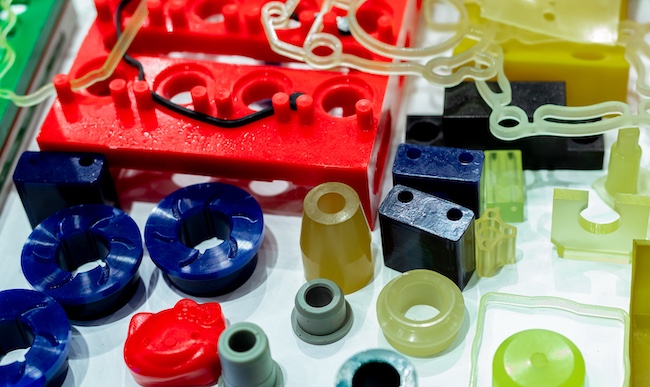
Acrylonitrile butadiene styrene (ABS) plastic components in various molded shapes, demonstrating durable thermoplastic materials used in industrial and consumer applications.

Practical and Commercial Considerations

Processing equipment fit

Standard injection molding and extrusion equipment suitable. Polycarbonate ABS blends process on general-purpose screws with compression ratio of 2.5:1 to 3.5:1 and L/D ratio of 18:1 to 22:1. Moderate injection pressures (70-110 MPa) sufficient for most applications. Hot runner systems reduce waste in high-volume production. Drying equipment mandatory to achieve <0.08% moisture content.


Cycle time / productivity notes

Moderate cycle times between pure PC and pure ABS. Processing temperatures of 230-270 °C enable faster cycles than pure PC while maintaining better heat resistance than ABS. Thin-wall applications benefit from good flow properties. Overall productivity exceeds pure PC while delivering superior thermal performance compared to ABS.

Drying requirements

PC/ABS blends absorb moisture and require drying before processing. Dry at 90-110 °C for 2-4 hours in a desiccant dryer to reach moisture content below 0.08%. Regrind requires similar drying. Material exposed to ambient conditions absorbs moisture rapidly and must be redried. Failure to dry adequately causes surface defects, splay marks, and hydrolytic degradation of both PC and ABS components.

Melt and mold temperature guidance

Processing temperatures range from 230-270 °C depending on blend ratio and part geometry. Higher PC content requires higher temperatures (250-270 °C). Thin-wall parts need higher temperatures for proper flow. Thick sections process at lower temperatures to minimize degradation. Mold temperatures of 60-90 °C produce optimal surface finish and dimensional stability.

Shrinkage

0.4-0.6% for unfilled grades, 0.2-0.4% for glass-filled formulations. Relatively uniform shrinkage due to amorphous nature of both components. Less anisotropic than semi-crystalline polymers. Shrinkage falls between pure ABS (0.4-0.7%) and pure PC (0.5-0.7%), simplifying mold design.

Dimensional stability / tolerance capability

Good dimensional stability with tight tolerances achievable (±0.2-0.3% with proper mold design and process control). Glass-filled grades offer superior precision. Water absorption causes minor dimensional changes (0.1-0.2%) in high-humidity environments. Post-mold shrinkage stabilizes within 24-48 hours at room temperature.

Regrind and scrap utilization

Typical regrind ratios of 15-25% mixed with virgin material depending on application requirements. Higher regrind percentages cause property degradation due to thermal history of both components. Plating applications limit regrind to 10-15% to maintain surface quality. Regrind must be dried thoroughly and free from contamination. Blend composition stability critical when using regrind.

Featured

Suppliers and Products

image

Terblend®

View Products
Covestro Logo_Black

Bayblend®

View Products
Covestro Logo_Black

Makroblend®

View Products

Frequently Asked Questions

What is PC/ABS and how is it different from other plastics?

PC/ABS is a physical blend of polycarbonate and acrylonitrile butadiene styrene, positioned as an engineering thermoplastic in the polymer hierarchy.  

Commodity thermoplastics like polyethylene, polypropylene, and polystyrene offer low cost and easy processing but limited heat resistance (continuous use temperatures 60-100 °C) and moderate mechanical strength. Engineering thermoplastics including PC/ABS, pure polycarbonate, nylon, and acetal deliver superior heat resistance (85-150 °C continuous use), impact strength, and dimensional stability at moderate cost. High-performance polymers like PEEK, PEI, and PPS provide extreme temperature capability (150-260 °C continuous use) and chemical resistance but at premium pricing.  

PC/ABS bridges commodity and high-performance materials by combining PC strength and heat resistance with ABS processability and cost-effectiveness. The blend delivers heat deflection temperatures of 100-115 °C, exceeding pure ABS (88-110 °C) while processing at lower temperatures than pure PC (230-270 °C vs. 280-320 °C). This balanced property profile makes PC/ABS blends ideal for automotive interiors, electronics housings, and appliances where ABS heat resistance would be insufficient but pure PC cost would be prohibitive.

What are the main types/grades of PC/ABS?

PC/ABS grades are characterized primarily by blend ratio, which fundamentally affects property balance. Common ratios include 50/50, 60/40, 70/30, and 80/20 (PC/ABS by weight). Higher PC content (70/30, 80/20) delivers superior heat resistance (HDT 110-115 °C), impact strength (400-600 J/m notched Izod), and dimensional stability approaching pure PC performance at moderate cost reduction. Higher ABS content (50/50, 60/40) improves flow properties, reduces cost, and enhances surface finish while maintaining adequate heat resistance (HDT 100-108 °C) for many applications.  

Flame-retardant grades achieve UL94 V-2 to V-0 ratings through brominated, phosphorus-based, or halogen-free additives for electronics and appliance applications requiring fire safety compliance. Glass-filled formulations (10-30% glass fiber) increase stiffness, strength, and heat deflection temperature by 10-20 °C but reduce impact strength and ductility.  

High-flow grades optimize melt viscosity for thin-wall molding and complex geometries in electronics housings. Plating grades modify surface chemistry to enable chrome electroplating for automotive trim and decorative applications. Heat-stabilized formulations extend continuous use temperature by 5-10 °C for demanding thermal environments. Grade selection depends on application requirements balancing heat resistance, impact strength, surface finish, cost, and processing characteristics.

How does PC/ABS compare to pure PC or pure ABS?

PC/ABS occupies the middle ground between its parent polymers in most properties. Heat resistance (HDT 100-115 °C) exceeds pure ABS (88-110 °C) by 10-20 °C but falls short of pure PC (132-145 °C). This thermal performance enables applications where ABS would soften but pure PC thermal capability would be overdesigned. Impact strength approaches pure PC levels in high PC-content blends (70/30, 80/20) while maintaining better processability.  

Pure ABS offers slightly better surface finish and easier processing but insufficient heat resistance for many engineering applications. Processing temperatures (230-270 °C) fall between pure ABS (200-250 °C) and pure PC (280-320 °C), reducing cycle times and energy consumption compared to pure PC while delivering superior thermal performance compared to ABS. Melt viscosity and injection pressure requirements occupy the middle range, enabling easier mold filling than pure PC.  

Material cost per pound falls between the base polymers, delivering cost savings compared to pure PC while providing performance upgrade from pure ABS. Chemical resistance matches ABS limitations rather than PC performance, as the ABS component remains vulnerable to aromatic solvents, ketones, and esters. UV stability improves over pure ABS but remains inferior to pure PC.  

Choose pure PC when maximum heat resistance, impact strength, or transparency are required. Choose pure ABS when cost minimization and surface finish are priorities with adequate heat resistance below 90 °C. Choose PC/ABS when balanced properties are needed at moderate cost, particularly for applications requiring better heat resistance than ABS without full PC performance justification.

Is PC/ABS available in transparent or translucent grades?

PC/ABS blends are inherently opaque due to refractive index mismatch between polycarbonate (refractive index 1.585) and ABS (refractive index 1.54) phases. This difference causes light scattering at phase boundaries, preventing optical clarity even in unfilled formulations.  

Translucent grades exist through careful control of phase morphology and particle size distribution, achieving limited light transmission for applications like indicator light covers and backlighting diffusers, but these grades do not approach the transparency of pure polycarbonate.  

True optical clarity (87-89% light transmission) is impossible in physical PC/ABS blends. Applications requiring transparent parts must use pure polycarbonate, acrylic (PMMA), or specialized transparent polymers. The opacity limitation actually benefits most PC/ABS applications.  

Automotive interior trim, electronics housings, appliance panels, and power tool housings benefit from opaque formulations that hide internal components, accept colorants well, and simplify quality control by masking weld lines and flow patterns that would be visible in transparent materials. Designers should specify PC/ABS for applications where opacity is acceptable or desirable, and select pure PC or acrylic only when optical clarity is essential to function.

Is PC/ABS recyclable?

PC/ABS carries recycling code 7 (other plastics) and presents recycling challenges due to its blend composition. Physical separation of PC and ABS components in mixed waste streams is difficult and economically unfavorable with current technology.  

Post-industrial scrap from injection molding can be reground and reprocessed with virgin material at typical ratios of 15-25%. Recycled material maintains acceptable mechanical properties for non-critical applications though impact strength may decrease with repeated thermal cycles. Post-consumer recycling infrastructure for PC/ABS blends remains limited compared to single-polymer streams like PET, HDPE, or pure PC.  

Electronic waste recycling programs recover blended materials from computer housings and business equipment, but contamination with other plastics, flame retardants, and additives complicates reprocessing. Blend composition variability (different PC/ABS ratios from different manufacturers) creates additional challenges for recyclers seeking consistent feedstock properties. Some manufacturers offer recycled-content PC/ABS grades for applications tolerating property compromises.  

Chemical recycling technologies under development aim to depolymerize both PC and ABS components back to monomers, though economic viability remains uncertain. Material selection should consider end-of-life requirements and regional recycling capabilities.  

For applications requiring demonstrated recyclability, pure polycarbonate or pure ABS may offer better recycling pathways than blends. For closed-loop industrial recycling where material composition is controlled, PC/ABS performs adequately with appropriate regrind management.

Browse and Order Products on Formerra+

Explore Our Products on Formerra+ Discover the full range of high-quality products on the upgraded Formerra+ online experience.

Visit Formerra+

Connect with Our Experts Today

If you need some extra guidance in finding the right product, fill out the form and our team will be in touch shortly.

Contact Us

Sources 

PC/ABS Blends: Properties, Processing & Applications. SpecialChem. 2025. https://www.specialchem.com/plastics/guide/pc-abs-blends 

Understanding PC/ABS Blend Performance. SABIC. 2024. https://www.sabic.com/en/products/polymers/polycarbonate-pc/pc-abs-blends 

PC/ABS Material Selection Guide. Covestro. 2025. https://solutions.covestro.com/en/products/bayblend 

Processing Guidelines for PC/ABS Resins. Trinseo. 2024. https://www.trinseo.com/products/pc-abs 

PC/ABS Blend Technology and Applications. LG Chem. 2025. https://www.lgchem.com/product/engineering-plastics/pc-abs 

Formerra
Contact Us View Suppliers
  • About
    • Careers
    • Leadership
    • Newsroom
  • Resources
    • Blog
    • Datasheets
  • Formerra+
    • Login
    • Register
    • Shop Products
Linkedin

Sitemap |  Privacy Policy |  Terms and Conditions of Sale |  Website Legal Disclaimer