Polyester-based
TPU using polyester soft segments for mechanical strength. High tensile strength, oil resistance, heat resistance.
Thermoplastic Polyurethane (TPU) is a versatile elastomer that combines the elastic properties of rubber with the processability and recyclability of thermoplastics. Known for exceptional abrasion resistance, flexibility across a wide temperature range, and high tensile strength, TPU has become essential for applications requiring durability, elasticity, and design freedom. The material bridges the gap between rigid engineering plastics and soft elastomers, offering a unique balance of mechanical and processing properties.
As a TPU distributor, Formerra provides access to multiple thermoplastic polyurethane grades including flexible, rigid, glass-reinforced, transparent, flame retardant, and food contact formulations optimized for automotive, footwear, wire and cable, medical, and industrial applications.
TPU is produced through the reaction of diisocyanates with long-chain diols (soft segments) and short-chain diols (hard segments). This block copolymer structure creates a phase-separated morphology where hard segments provide strength and processing stability while soft segments deliver elasticity and flexibility. The ratio and chemistry of these segments determine final properties across the hardness spectrum from Shore 60A to Shore 75D.
TPU granules are available in various grades including polyester-based and polyether-based formulations, each offering distinct property profiles for specific applications.
Abrasion resistance is the defining property of thermoplastic polyurethane. TPU demonstrates exceptional wear resistance, often exceeding conventional rubbers, polyamide, and other engineering thermoplastics by factors of 5-10. This durability enables thin-wall designs and extended service life in high-wear applications including footwear soles, conveyor belts, and protective films.
Flexibility and elasticity distinguish TPU from rigid thermoplastics. The material exhibits rubber-like recovery after deformation, maintaining mechanical properties through millions of flex cycles. Elongation at break ranges from 400-800% depending on hardness grade. This combination of flexibility and strength supports applications from soft-touch overmolds to durable mechanical components.
Temperature performance spans a wider range than most elastomers. TPU maintains flexibility and toughness from -40 °C to 100 °C depending on formulation. Polyether-based grades excel at low temperatures while polyester-based grades deliver better heat resistance and mechanical properties at elevated temperatures.
Chemical resistance varies by TPU type. Polyester-based formulations resist mineral oils, greases, and aliphatic hydrocarbons. Polyether-based grades offer superior resistance to hydrolysis, fungus, and microbial attack. Both types show good resistance to many solvents and chemicals compared to natural rubber and other elastomers.
Processing versatility enables multiple manufacturing methods. TPU granules process through injection molding, extrusion, blow molding, and calendering using standard thermoplastic equipment. The material melts, flows, and solidifies like conventional plastics while delivering elastomeric performance in the finished part.
Bonding and joining capabilities simplify assembly. TPU adheres well to various substrates including metals, plastics, and fabrics through adhesives, heat welding, or direct overmolding. This compatibility enables multi-material designs and eliminates mechanical fasteners in many applications.
25-70 MPa (varies by hardness: Shore 60A to 75D)
10-500 MPa (hardness dependent)
400-800% (soft grades),
200-400% (rigid grades)
80-200 kN/m (exceptionally high)
20-50% (at 23 °C, 72 h)
15-50 mg/1000 cycles (excellent)
Shore 60A to Shore 75D
-40 to 100 °C (polyether), -20 to 120 °C (polyester)
50-110 °C at 0.46 MPa (hardness dependent)
-50 to -25 °C (soft segment), 50-80 °C (hard segment)
170-220 °C (processing range)
180-230 °C
100-200 × 10⁻⁶ /°C
0.5-1.2% in 24 h at 23 °C. Moisture absorption varies significantly between polyester (lower, 0.5-0.8%) and polyether (higher, 0.8-1.2%) formulations. Polyether-based TPU shows better hydrolysis resistance in hot water and steam environments. Pre-drying before processing prevents surface defects and maintains mechanical properties. Parts maintain dimensional stability better than hygroscopic nylon.
Fair to good depending on stabilization. Standard TPU yellows and loses mechanical properties under prolonged UV exposure. UV-stabilized grades maintain properties and appearance for years of outdoor service. Aromatic TPU yellows more readily than aliphatic formulations. Polyether-based grades show better outdoor durability than polyester-based types. Applications requiring extended outdoor exposure benefit from UV-stabilized or aliphatic TPU grades.
Varies significantly by type. Polyether-based TPU demonstrates excellent hydrolysis resistance in hot water, steam, and humid environments. Polyester-based TPU shows limited resistance to hot water above 60 °C and steam exposure. Hydrolytic degradation reduces mechanical properties and causes surface deterioration. Medical and water contact applications typically specify polyether-based formulations for long-term durability.
Low susceptibility compared to rigid plastics. The elastomeric nature of TPU accommodates stress through deformation rather than cracking. Certain polar solvents including ketones and esters cause swelling under stress. Sharp corners and stress concentrations remain less critical than in rigid thermoplastics. Good resistance to environmental stress cracking in typical service environments.
15-25 kV/mm
6-8 at 1 MHz
0.05-0.15 at 1 MHz
10¹²-10¹⁴ Ω·cm
10¹²-10¹⁴ Ω
1.10-1.25 g/cm³ (unfilled),
1.30-1.60 g/cm³ (glass-filled))
Varies significantly by grade (1-50 g/10 min)
0.8-1.5% (higher than rigid thermoplastics)
40-65% (excellent elastic recovery)
UL94 HB (standard), V-0 or V-2 available with FR additives
Mineral oils, greases, aliphatic hydrocarbons (polyester TPU), dilute acids and bases, ozone, fungus and microbial attack (polyether TPU)
Alcohols, glycols, water (polyether better than polyester for hot water)
Aromatic hydrocarbons (benzene, toluene), chlorinated solvents at elevated temperatures
Concentrated acids, strong bases, ketones (acetone, MEK), esters (ethyl acetate), polar aprotic solvents (DMF, DMSO)
TPU offers better oil and grease resistance than conventional rubbers while maintaining superior abrasion resistance. Chemical resistance varies significantly between polyester and polyether formulations.
Surface finish capability
TPU accepts a wide range of surface finishes from high gloss to matte textures. The material reproduces fine detail and surface patterns during molding. Soft-touch surfaces deliver premium tactile quality for consumer products. Textured finishes hide fingerprints and improve grip. Mold release characteristics vary by hardness, with softer grades requiring more careful ejection. Post-mold surface treatments including painting and coating bond well with proper surface preparation.
Sink, warpage, and visible defect tendency
Higher shrinkage (0.8-1.5%) compared to rigid thermoplastics increases sink mark and warpage risk. Uniform wall thickness and proper gate location minimize visible defects. Transparent grades show flow lines, weld lines, and voids more readily than opaque formulations. Gate location significantly impacts part appearance and mechanical properties. Proper mold design and processing control reduce cosmetic defects in demanding applications.
Colorability
TPU accepts transparent, translucent, and opaque colorants with excellent color consistency. The material delivers vibrant colors and special effects including metallics, pearls, and custom formulations. Clear TPU grades provide glass-like transparency for aesthetic applications. Color matching proceeds reliably using standard masterbatch technology. Some colorants affect physical properties including hardness and elongation. UV exposure causes color shift in non-stabilized grades.
Color stability
Aromatic TPU yellows under UV exposure and elevated temperatures. Aliphatic TPU grades maintain color stability for outdoor applications at higher cost. UV-stabilized formulations reduce yellowing during extended exposure. Heat exposure during processing requires temperature control to prevent degradation and color shift. Clear grades show yellowing more readily than pigmented formulations. This color stability limitation requires UV-stabilized grades for outdoor or light-exposed applications.
Transparency and clarity
Clear TPU grades transmit 85-90% of visible light for aesthetic and functional applications. The material delivers better clarity than conventional rubber but lower transmission than polycarbonate or acrylic. Yellowing under UV exposure reduces clarity over time. Processing conditions significantly impact transparency, with high temperatures and long residence times causing degradation. Medical and optical applications benefit from specialty clear grades optimized for light transmission.
Abrasion and chemical mar resistance
Exceptional abrasion resistance to mechanical wear enables thin-wall designs and extended service life. Surface hardness varies by formulation from Shore 60A to 75D. Chemical mar resistance depends on specific chemicals and exposure conditions. Avoid alkaline cleaners above pH 11 and all ketones, esters, and aromatic solvents. Mineral oils and greases provide excellent compatibility. Mild soap and water solutions work well for routine cleaning.
Marking methods
Laser marking delivers permanent identification with good contrast on certain grades. Pad printing and screen printing accept standard inks with surface preparation. Hot stamping produces decorative finishes. Ink adhesion benefits from corona or flame treatment. In-mold decorating integrates graphics during molding. Embossing and debossing create tactile effects. Test marking methods on representative samples due to grade-specific variations.
Coating, painting, and plating suitability
TPU accepts coatings and paints after proper surface preparation including sanding, chemical treatment, or plasma activation. Flexible primers and topcoats accommodate substrate elongation. Hard coatings improve scratch resistance for optical applications. Vacuum metallization produces decorative finishes. Chrome plating requires specialized processes due to polymer flexibility. Surface energy treatments improve coating adhesion.
Joining methods
Heat welding produces strong joints for compatible TPU grades. Ultrasonic welding delivers fast assembly for simple geometries. Adhesive bonding using polyurethane, epoxy, or cyanoacrylate adhesives supports complex assemblies. Mechanical fastening accommodates thermal expansion and material flexibility. Overmolding creates integrated multi-material parts. Avoid press fits in thin sections due to material compliance. Solvent bonding works with compatible solvents but risks environmental stress cracking.
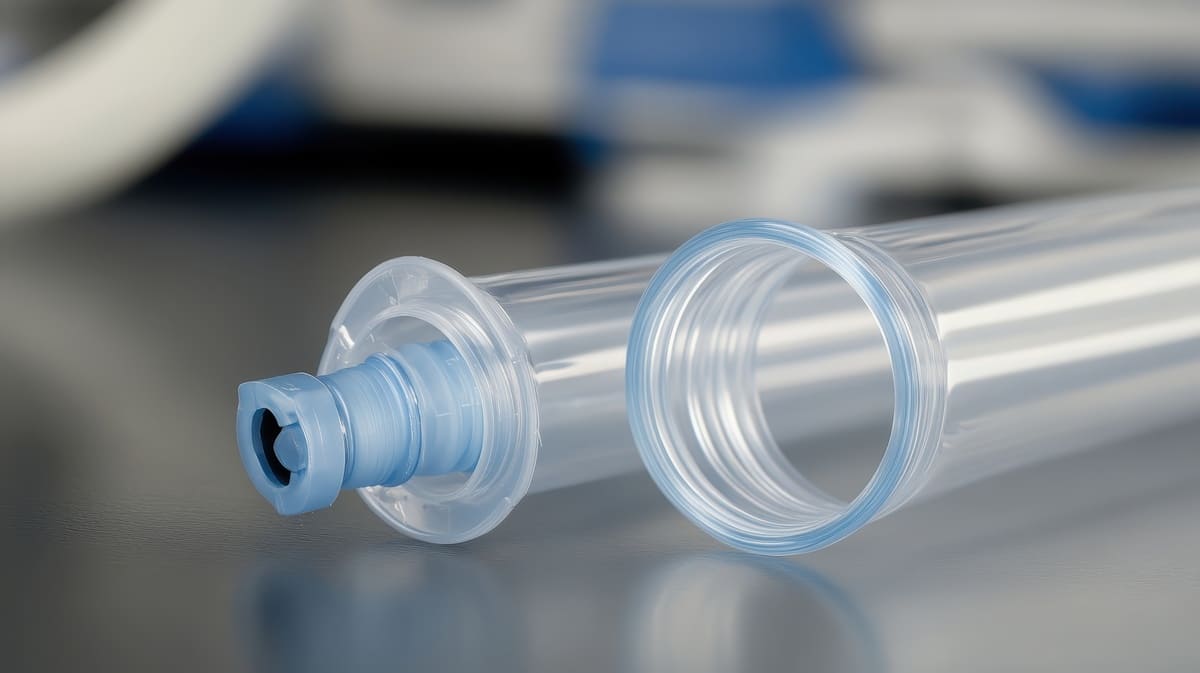

Polyester-based TPU uses polyester soft segments and delivers higher tensile strength, better oil and grease resistance, superior abrasion resistance, and better heat resistance (continuous use to 100-120 °C). Polyester TPU shows limited hydrolysis resistance in hot water and steam environments.
Polyether-based TPU uses polyether soft segments and provides better low temperature flexibility (-40 °C), excellent hydrolysis resistance, superior microbial and fungal resistance, and better long-term water immersion performance. Polyether TPU typically costs more than polyester formulations and offers lower tensile strength. Choose polyester TPU for mechanical applications requiring strength, heat, and oil resistance. Select polyether TPU for medical devices, water contact applications, and products requiring low temperature flexibility or long-term hydrolysis resistance.
Soft grades (Shore 60-80A) offer maximum flexibility, elongation (600-800%), and impact absorption. These grades require longer cooling times, careful ejection, and higher mold temperatures (40-60 °C) to prevent distortion. Soft TPU delivers rubber-like performance for grips, seals, and cushioning applications.
Medium hardness grades (Shore 85A-60D) balance flexibility and rigidity with good processing characteristics. These grades represent the majority of TPU applications including footwear, automotive components, and wire jacketing.
Rigid grades (Shore 65D-75D) approach engineering thermoplastic properties with higher modulus, dimensional stability, and faster cycle times. These grades enable load-bearing applications while maintaining some flexibility. Mold temperatures of 20-40 °C work well for rigid TPU. Applications include structural components, housings, and mechanical parts requiring both strength and flexibility.
Yes, thorough drying is critical for quality TPU parts. Dry TPU granules at 80-110 °C for 2-4 hours in a desiccant dryer to achieve 0.02% moisture content. Polyether-based grades absorb more moisture than polyester-based formulations and require careful handling.
Insufficient drying causes bubbles, voids, splay marks, surface blemishes, and reduced mechanical properties. Processing moisture-laden TPU also increases cycle times and complicates process control. Hopper dryers maintain dryness during production. Material hygroscopic nature demands controlled storage in sealed containers or bags. Verify drying effectiveness using moisture meters before processing. The investment in proper drying equipment pays returns through improved part quality and reduced scrap rates.
TPU offers thermoplastic processing through injection molding, extrusion, and blow molding without vulcanization or cross-linking. This enables faster cycle times, scrap recycling, simplified processing, and complex geometries impossible with thermoset rubber. Color changes proceed quickly without equipment purging complexity.
Superior abrasion resistance exceeds conventional rubber by factors of 5-10. Tear strength, tensile strength, and resistance to oils and greases surpass natural and synthetic rubbers. Consistent batch-to-batch quality eliminates the compound variation common in rubber manufacturing. Wide hardness range from a single material family reduces inventory complexity. Better low temperature flexibility and broader service temperature range expand application possibilities. These advantages justify the material cost premium for demanding applications requiring durability, precision, and processing efficiency.
Choose TPU over silicone when abrasion resistance, tensile strength, and lower cost matter more than extreme temperature performance or biocompatibility for implantable devices. TPU delivers better mechanical properties at lower cost but offers narrower temperature range (-40 to 120 °C vs -60 to 200 °C for silicone).
Select TPU over thermoplastic vulcanizate (TPV) when superior abrasion resistance, transparency, or lower compression set requirements justify the cost premium. TPV offers better chemical resistance and lower cost but inferior wear performance.
Choose TPU over conventional thermoset rubber when thermoplastic processing advantages (scrap recycling, faster cycles, complex geometries) and superior mechanical properties outweigh the material cost increase. Evaluate total cost including processing, scrap, and service life. TPU excels for applications requiring exceptional abrasion resistance, flexibility combined with strength, and thermoplastic processing across a wide hardness range.
If you need some extra guidance in finding the right product, fill out the form and our team will be in touch shortly.
Contact UsDiscover the full range of high-quality products on the upgraded Formerra+ online experience.
Visit Formerra+Sources
Thermoplastic Polyurethane Properties and Processing Guide. Covestro. 2023.
TPU Technical Data and Design Guide. BASF. 2023.
Thermoplastic Elastomers Handbook. Hanser Publications. 2023.
TPU Processing and Applications. Society of Plastics Engineers. 2023.
Medical Grade TPU Specifications. USP Plastics Committee. 2022.