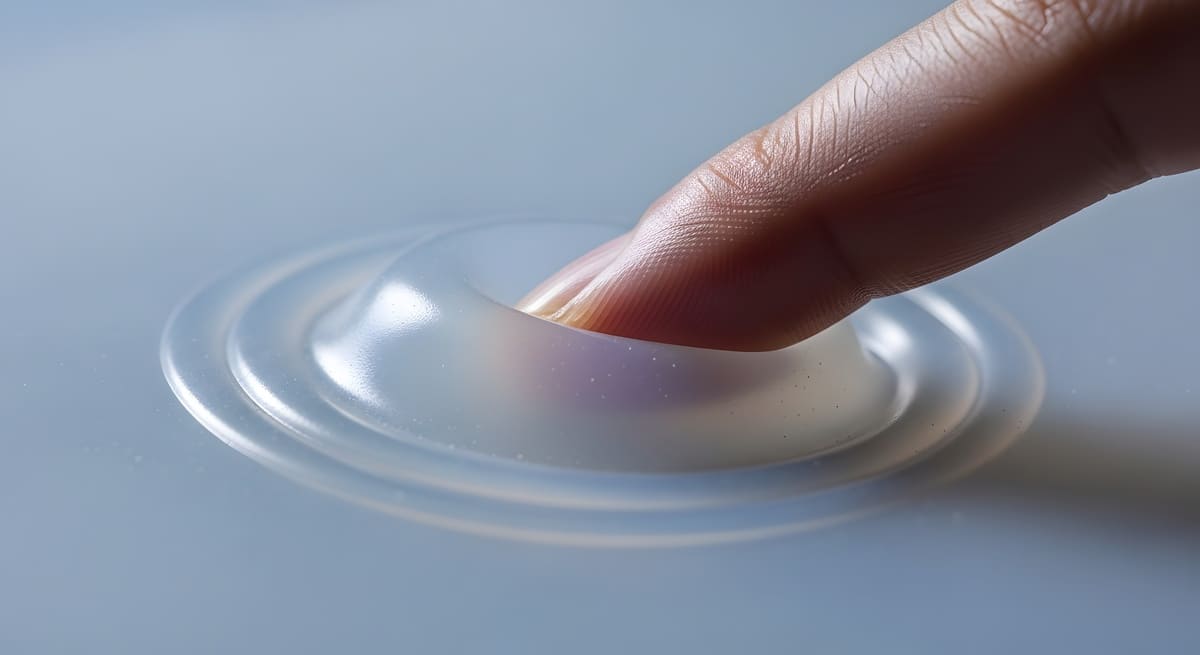
LSR liquid injection molding requires dedicated metering equipment with ratio control to ±1% of target (typically 1:1 by weight). Electronic metering pumps with closed-loop feedback maintain ratio accuracy. Hot runner systems eliminate runner scrap, while cold runner systems generate waste requiring disposal. Mold temperatures of 150-200°C demand precise control across all cavities. HCR processing uses traditional rubber equipment (mills, presses, extruders) without specialized liquid metering, lowering capital investment for established processors.

Silicone Elastomers (LCR, HCR)
Material Category
Thermoset Elastomer
Typical Fillers / Reinforcements
Fumed silica (reinforcing filler), precipitated silica, quartz, alumina trihydrate (flame retardant), conductive carbon black, metal powders (thermal/electrical conductivity), pigments, mold release agents
Compatible Processes
Liquid injection molding (LSR), Compression molding (HCR), Extrusion (HCR), Calendering (HCR), Transfer molding
Regulatory Approvals
FDA 21 CFR 177.2600 (food contact), USP Class VI, ISO 10993 (biocompatibility), EU 10/2011 (food contact), Drug Master Files (DMF) available for medical grades
Silicone Elastomers Overview
Silicone elastomers are thermoset polymers based on a siloxane backbone, offering exceptional flexibility, biocompatibility, and temperature stability across demanding applications. Unlike organic rubbers, silicone elastomers maintain their mechanical properties from cryogenic temperatures to continuous use above 200°C, making them essential for medical devices, automotive seals, and consumer products where performance and safety are critical. As a silicone elastomer supplier, Formerra provides access to LSR and HCR grades for healthcare, automotive, electronics, consumer, and industrial applications.
These materials cure through platinum-catalyzed or peroxide-initiated crosslinking reactions, forming permanent three-dimensional networks. The resulting thermoset structure provides superior thermal stability and chemical resistance compared to thermoplastic elastomers, while maintaining the flexibility and elasticity engineers expect from rubber materials. Platinum-cured grades dominate medical and food-contact applications due to their high purity and absence of cure byproducts.
Silicone elastomers are available in two primary forms: liquid silicone rubber (LSR) and high-consistency rubber (HCR). LSR flows as a pumpable liquid and processes through automated liquid injection molding equipment, enabling complex geometries and tight dimensional tolerances. HCR arrives as a solid compound and processes through traditional rubber equipment including extrusion, compression molding, and calendering. Your choice between LSR and HCR depends on part complexity, production volume, dimensional requirements, and available processing equipment.
Medical device manufacturers specify silicone elastomers for their biocompatibility and sterilization compatibility. These materials meet USP Class VI, ISO 10993, and FDA 21 CFR 177.2600 requirements without plasticizers, phthalates, or latex allergens. Autoclave, gamma radiation, ethylene oxide, and electron beam sterilization methods all preserve material properties, allowing repeated sterilization cycles without degradation.
Automotive engineers select silicone elastomers for under-hood components, weatherstripping, and seals where temperature extremes and environmental exposure would degrade organic rubbers. Consumer product designers leverage transparent formulations, custom colors, and tactile properties for baby products, kitchenware, and wearable devices. Electronics applications benefit from excellent dielectric properties and moisture resistance for potting compounds, gaskets, and cable insulation.
Performance Characteristics
Mechanical Properties
Shore A 10-80 (most grades 30-60 Shore A)
400-1,500 psi (2.8-10.3 MPa)
100-700%
30-300 pli (5-53 kN/m)
<25% (22 hours at 175°C) for medical grades
>40%
Thermal Properties
-60°C to 200°C (specialized grades to 250°C)
300°C for minutes (sterilization, processing)
-120°C to -125°C
0.2 W/(m·K)
2.0-3.0 x 10⁻⁴ per °C
<10% tensile strength loss after 1,000 hours at 200°C
Operating Environment
<1%, preventing dimensional changes in humid environments. Moisture resistance maintains properties in steam, humidity, and aqueous exposure.
Excellent. Outdoor exposure for 10+ years without cracking, chalking, or significant property degradation. UV resistance allows exposed applications without protective coatings.
Exceptional. No cracking after thousands of hours at elevated ozone concentrations, unlike organic rubbers requiring stabilizers.
Withstands 121-134°C saturated steam for repeated sterilization cycles. Medical grades maintain properties after 500+ autoclave cycles.
Good to excellent in neutral pH environments. Strong acids (pH <2) and strong bases (pH >12) hydrolyze siloxane backbone over time.
Aliphatic hydrocarbons cause moderate swelling. Aromatic hydrocarbons, ketones, and chlorinated solvents cause excessive swelling and property loss.
Medical grades maintain <25% compression set after 22 hours at 175°C. High-temperature grades withstand 200°C with acceptable compression set for industrial sealing.
Moderate. Sharp edges and stress concentrations propagate tears. Proper part design with generous radii and reinforcement mitigates this sensitivity.
Electrical Properties
>20 kV/mm
1 x 10¹⁴ to 1 x 10¹⁶ ohm-cm
2.7-3.2
<0.001
Optical Properties
Unfilled formulations cure to transparent or translucent parts
Varies by filler loading and hardness; transparent grades suitable for LED lenses, light pipes, backlighting
1.40-1.43 (unfilled)
Excellent with UV stabilization; yellowing minimal over extended outdoor exposure
Medical tubing requiring visual inspection, infant feeding products, backlit keypads, protective windows, optical component gaskets
Physical Properties
1.10-1.50 (varies by filler loading)
<1%
1.5-3.5% (varies by filler loading, cure temperature, part geometry)
1.10-1.50 g/cm³ depending on filled/unfilled grade
Chemical Resistance
Ozone, UV radiation, moisture, dilute acids, dilute bases, many aqueous fluids, weathering exposure
Steam (to 150°C), some cleaning agents, certain alcohols, aliphatic hydrocarbons (with acceptable swelling)
Mineral oils and fuels (swelling depends on application tolerance), some solvents
Aromatic hydrocarbons (toluene, xylene), ketones (acetone, MEK), chlorinated solvents (methylene chloride, trichloroethylene), concentrated acids (pH <2), concentrated bases (pH >12)
Strengths, Weaknesses, & Operating Limits
Key Strengths
- Biocompatibility and Medical-Grade Purity: Platinum-cured silicone elastomers meet USP Class VI, ISO 10993, and FDA requirements without plasticizers, phthalates, or latex allergens. Non-cytotoxic, non-irritating, and non-sensitizing properties enable direct tissue contact for implantable devices, wound care products, and drug delivery systems.
- Exceptional Temperature Range: Continuous use from -60°C to 200°C (some grades to 250°C) with maintained flexibility and mechanical properties exceeds all organic rubbers and most thermoplastic elastomers. Low-temperature flexibility prevents embrittlement while high-temperature stability enables autoclave sterilization.
- Multiple Sterilization Methods: Autoclave, gamma radiation, ethylene oxide, and electron beam sterilization all preserve material properties through repeated cycles. Reusable medical instruments maintain seal performance after 500+ autoclave cycles.
- Design Flexibility and Complex Geometries: LSR liquid injection molding produces parts with wall thicknesses from 0.5 to 10 mm, aspect ratios exceeding 100:1, and dimensional tolerances to ±0.05 mm. Automated production with fast cure cycles (30 to 120 seconds) achieves high volumes.
- No Plasticizers or Additives: Silicone elastomers achieve desired hardness through polymer molecular weight and filler loading rather than plasticizers. This prevents plasticizer migration, surface tackiness, and property changes over time.
- Outstanding Environmental Resistance: Ozone, UV radiation, moisture, and temperature cycling cause no degradation. Outdoor exposure for 10+ years maintains properties where organic rubbers crack and harden within months.
- Transparent Formulations Available: Unfilled silicone elastomers cure to transparent or translucent parts, enabling visual inspection of fluid levels, LED light transmission, and aesthetic applications in infant feeding products and medical tubing.
Known Weaknesses
- Higher Material Cost: Silicone elastomers cost $5-$25 per pound, substantially more than organic rubbers ($2-$5 per pound) and thermoplastic elastomers ($3-$8 per pound). High-volume commodity applications often cannot justify the cost difference.
- Thermoset Processing: Cured silicone elastomers cannot be remelted or reformed. Scrap material and manufacturing waste go to landfill or energy recovery rather than direct recycling.
- Specialized Equipment Required: LSR liquid injection molding demands dedicated metering equipment, static mixers, and temperature-controlled molds. Capital investment for a production-scale LSR molding cell ranges from $150,000 to $500,000.
- Limited Chemical Resistance: Aromatic hydrocarbons, ketones, chlorinated solvents, strong acids, and strong bases attack silicone elastomers. Swelling in aliphatic hydrocarbons limits use in fuel systems without proper formulation selection.
- Lower Tear Strength: Tear strength of 30-300 pli is lower than natural rubber (500+ pli). Sharp edges, stress concentrations, and repeated flexing at notches propagate tears. Proper part design with generous radii mitigates this limitation.
Operating Limits
- Temperature extremes: Continuous use below -60°C or above 200°C (250°C for high-temperature grades) causes property degradation. Short-term excursions to 300°C for sterilization tolerable.
- Chemical attack: Concentrated acids (pH <2), concentrated bases (pH >12), aromatic solvents, ketones, and chlorinated hydrocarbons degrade silicone elastomers. Hydrocarbon fuels cause swelling that may compromise seal function.
- Cost-sensitive applications: High-volume commodity products where temperature range, biocompatibility, and durability are non-critical cannot justify silicone elastomer costs. Cost analysis should include total cost of ownership.
- Processing constraints: Thermoset nature prevents remolding. LSR requires ratio control to ±1%, degassing, and specialized equipment. Flash and scrap represent permanent material loss.
Typical Applications
- Medical device seals, gaskets, and housings for drug delivery systems and diagnostic equipment
- Pharmaceutical packaging including syringe plungers, vial stoppers, and cartridge seals
- Baby products including bottle nipples, pacifiers, and teething toys with FDA food-contact compliance
- Automotive under-hood seals, turbocharger hoses, spark plug boots, and weatherstripping
- Consumer kitchenware including baking mats, spatulas, ice cube trays, and food storage containers
- Electronics potting compounds, cable insulation, and connector seals
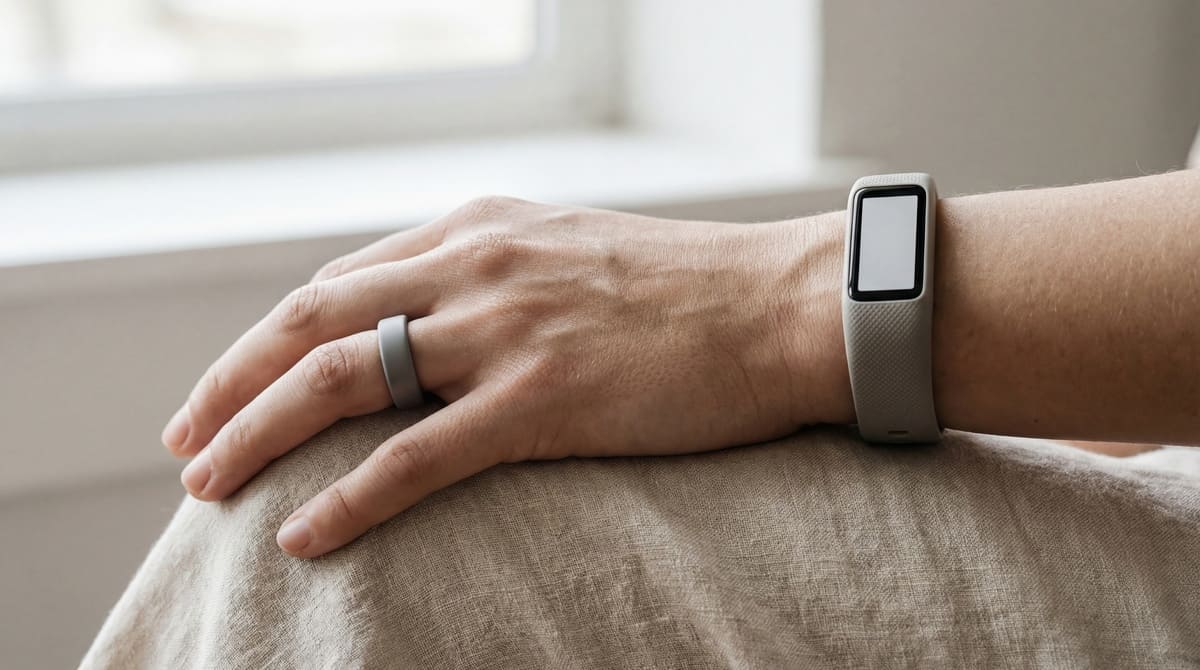
- Wearable device bands for fitness trackers, smartwatches, and medical monitoring equipment
- Industrial O-rings, gaskets, and seals for food processing and pharmaceutical manufacturing
Niche Applications
- Implantable medical devices including pacemaker lead insulation, shunt valves, and catheter balloons
- Respiratory equipment including CPAP masks, oxygen tubing, and ventilator seals
- Wound care products including transparent film dressings and scar therapy sheets
- LED light guides, lenses, and optical component gaskets requiring transparency
- High-temperature industrial vibration dampers and bushings for engine mounts
- Building expansion joints and facade seals for long-term weathering resistance
- Roll coverings in paper mills and textile processing
Design, Assembly & Aesthetics
Surface finish capability
Mold surface finish transfers directly to parts. Mirror polish produces glossy surfaces. Bead-blast or EDM textures create matte finishes. Photo-etched textures replicate logos and decorative patterns.
Sink/warpage/visible defects tendency
Minimal sink marks with proper wall thickness control. Flash at parting lines common due to low viscosity. Gate vestige marks visible on LSR parts requiring trimming or concealment.
Colorability
Custom colors achievable through pigment addition. Transparent, translucent, and opaque formulations available. Color matching requires heat-stable pigments for curing temperatures.
Color stability
Excellent with UV stabilization. Minimal yellowing over extended outdoor exposure. Heat-stable pigments prevent discoloration during processing.
Optical properties
Unfilled formulations produce transparent parts for medical tubing, infant products, and LED applications. Light transmission enables visual inspection and backlighting.
Scratch/chemical mar resistance
Moderate scratch resistance. Low surface energy resists staining and grease absorption. Good resistance to household chemicals and cleaners.
Marking methods
Laser marking produces permanent marks. Pad printing and screen printing require surface treatment. Embossing and debossing create clean features during molding.
Coating/painting/plating suitability
Low surface energy prevents paint adhesion without plasma treatment or primers. Silicone coatings bond well for enhanced properties.
Joining methods
Silicone-to-silicone bonding requires primers or plasma treatment. Bonds to metals, plastics, or glass with substrate-specific primers. Mechanical interlocking supplements chemical bonding.
Practical & Commercial Considerations
LSR injection molding cycles range from 30-120 seconds depending on wall thickness. Thin parts (1-2 mm) cure in 30-60 seconds while thick sections (5-10 mm) require 90-120 seconds. Hot runner systems reduce cycle time 10-20% by eliminating runner cooling. HCR compression molding extends from 2-20 minutes depending on part thickness. Post-cure at 200°C for 2-4 hours completes crosslinking and reduces compression set but proceeds in batch ovens accommodating multiple parts.
LSR two-part systems store in sealed containers at 15-25°C with shelf life of 6-12 months. Degassing both components eliminates entrained air causing voids. HCR compounds store at room temperature with 12-24 month shelf life. Moisture absorption degrades uncured compound, requiring packaging integrity. No drying required for thermoset elastomers, unlike hygroscopic thermoplastics.
LSR processing requires 150-200°C mold temperature for platinum-catalyzed crosslinking. Higher temperatures (180-200°C) accelerate cure but risk premature gelation. Lower temperatures (150-170°C) extend pot life but increase cycle time. HCR compression molding uses similar mold temperatures with cure times proportional to section thickness. Post-cure at 200°C completes crosslinking and drives off volatiles.
Shrinkage ranges from 1.5-3.5% depending on filler loading, cure temperature, and part geometry. Post-cure shrinkage contributes 0.2-0.5%, requiring mold compensation. Higher filler loading reduces shrinkage but increases hardness. Dimensional variations require statistical process control in precision applications.
LSR achieves tolerances to ±0.05 mm on critical features with optimized molds and process control. HCR typically holds ±0.15 to ±0.50 mm depending on process method. Tight tolerances demand 100% dimensional inspection. Medical applications require validated processes and traceability.
Thermoset nature prevents regrind recycling. Manufacturing scrap goes to landfill, energy recovery through incineration, or specialized downcycling into filler materials. Flash and trim waste represent permanent material loss. Part consolidation and flash minimization reduce scrap generation. Some processors accept clean post-industrial scrap for grinding into lower-grade compounds.
Suppliers and Products
Note: As a silicone elastomer supplier, Formerra provides access to DuPont Liveo™ LSR and HCR formulations including medical-grade and industrial-grade options for healthcare, automotive, consumer, and electronics applications.
Frequently Asked Questions
What are silicone elastomers and how do they differ from other rubber materials?
Silicone elastomers are thermoset polymers based on a siloxane (Si-O-Si) backbone, distinguishing them from organic rubbers with carbon-carbon backbones. This silicon-oxygen structure provides exceptional temperature stability from -60°C to 200°C continuous use, far exceeding EPDM, NBR, and natural rubber capabilities. Unlike thermoplastic elastomers (TPE, TPU) that can be remelted, silicone elastomers cure into permanent three-dimensional networks through platinum-catalyzed or peroxide-initiated crosslinking. Biocompatibility, purity (no plasticizers or phthalates), and sterilization compatibility enable medical device applications where organic rubbers cannot meet regulatory requirements. The siloxane backbone resists UV radiation, ozone, and moisture better than carbon-based elastomers, explaining their dominance in outdoor weatherstripping and long-term environmental exposure applications.
What are the different types and grades of silicone elastomers?
Silicone elastomers divide into two primary forms: liquid silicone rubber (LSR) and high-consistency rubber (HCR). LSR arrives as a two-part liquid system processing through liquid injection molding equipment, enabling complex geometries, tight tolerances, and automated production. HCR comes as a solid compound for extrusion, compression molding, and calendering, suited to simpler geometries and traditional rubber processing equipment. Within each form, grades span Shore A hardness from 10 (gel-like) to 80 (firm rubber). Medical-grade materials meet USP Class VI, ISO 10993, and FDA requirements with validated purity and biocompatibility testing. Industrial grades cost less but lack the documentation and extractables control medical applications demand. Self-lubricating grades incorporate additives reducing coefficient of friction, while electrically conductive formulations add carbon black or metal fillers for static dissipation.
What is the difference between platinum-cured and peroxide-cured silicone?
Platinum-cured silicone elastomers use platinum catalyst to initiate hydrosilylation crosslinking between vinyl and hydride functional groups. This addition cure produces no byproducts, leaving no extractables or volatile compounds. Medical-grade purity, transparent formulations, and FDA compliance make platinum cure the standard for healthcare, food contact, and infant products. Cure occurs rapidly at 150-200°C, enabling fast injection molding cycles. Peroxide-cured systems initiate crosslinking through free radical mechanisms, generating volatile byproducts during cure that require post-cure baking to remove. Peroxide cure costs 20-40% less than platinum cure and provides higher tear strength and better compression set at elevated temperatures. Industrial gaskets, automotive components, and applications tolerating extractables benefit from peroxide cure economics. The choice depends on purity requirements, application regulations, and mechanical property priorities.
What are the temperature limits for silicone elastomers?
Most silicone elastomers maintain full mechanical properties through continuous use from -60°C to 200°C, with specialized high-temperature grades extending to 250°C. Below -60°C, the material stiffens and elongation decreases, though catastrophic failure does not occur. Short-term exposure to 300°C for minutes during sterilization or processing causes minimal property loss. Prolonged operation above rated temperature accelerates crosslink degradation, hardening, and eventual embrittlement. Heat aging at 200°C for 1,000 hours produces less than 10% tensile strength loss in properly formulated materials. Cold-temperature flexibility distinguishes silicone from organic rubbers that embrittle at -40°C. The broad operating range simplifies material selection across product lines and eliminates seasonal compound changes common with temperature-limited elastomers.
Are silicone elastomers recyclable?
Silicone elastomers are thermosets and cannot be remelted or reformed like thermoplastics. Direct material recycling through reprocessing is not possible. Manufacturing scrap and end-of-life products go to landfill, incineration for energy recovery, or specialized downcycling processes. Pyrolysis at 500-700°C decomposes silicone elastomers into silica filler, hydrocarbon oils, and hydrogen gas. The recovered silica finds use in construction materials, though this downcycling represents value loss. Some manufacturers accept post-industrial scrap for grinding into filler material in lower-grade compounds, requiring clean, uncontaminated streams. The limited recyclability compared to thermoplastic elastomers represents an environmental trade-off against superior performance, durability, and biocompatibility. Extended product life and reduced replacement frequency partially offset end-of-life disposal concerns.
Connect with Our Experts Today
If you need some extra guidance in finding the right product, fill out the form and our team will be in touch shortly.
Contact UsBrowse and Order Products on Formerra+
Explore Our Products on Formerra+ Discover the full range of high-quality products on the upgraded Formerra+ online experience.
Visit Formerra+Sources
ASTM D2240: Standard Test Method for Rubber Property - Durometer Hardness
ASTM D412: Standard Test Methods for Vulcanized Rubber and Thermoplastic Elastomers - Tension
ASTM D624: Standard Test Method for Tear Strength of Conventional Vulcanized Rubber and Thermoplastic Elastomers
ISO 10993: Biological Evaluation of Medical Devices
FDA 21 CFR 177.2600: Rubber Articles Intended for Repeated Use
DuPont Liveo™ Silicone Elastomers Product Guide. DuPont. 2025.
Medical-Grade Silicone Elastomers: Properties and Applications. Medical Device & Diagnostic Industry. 2024.
