1-888-502-0951
  • Formerra+ Login |
Contact Us
  • Products
    • Products
    • Polymers
    • High-Performance Polymers
    • Sustainable Solutions
    • Elastomers, Adhesives, Sealants
    • Chemistries
    • Products Tap into our expert guidance and product range to uncover solutions that align with your specific application demands. Explore Solutions
  • Suppliers
    • Suppliers
    • AmSty
    • Avient
    • BASF
    • Celanese
    • Chevron Phillips
    • Covestro
    • Delrin
    • Dow
    • DuPont
    • Eastman
    • Evonik
    • GEON
    • H.B Fuller
    • INEOS
    • INEOS Styrolution
    • INVISTA
    • LyondellBasell
    • Nylene
    • Pinnacle Polymers
    • PMC Polymer Products
    • PureCycle
    • RheTech
    • Syensqo
    • Techmer PM
    • Trinseo
    • Westlake Chemical
    • Suppliers We partner with world-class suppliers to provide performance materials and expert support so you can choose with confidence. Find Suppliers
  • Industries
    • Industries
    • Healthcare
    • Outdoor & Powersports
    • Consumer​
    • Mobility
    • Packaging
    • Industrial
    • Electrical & Electronics
    • Building & Construction
    • Industries Supporting diverse industries with advanced materials and expert insight tailored to your specific application needs. View Industries
  • Capabilities
    • Capabilities
    • Technical Support
      • Technical Support
      • Material Selection
      • Process Development & Optimization
      • Training
      • Troubleshooting
    • Quality Compliance
      • Quality Compliance
      • REACH Compliance
    • Supply Chain Optimization
    • Capabilities Optimize production with Formerra’s expert support in technical guidance, supply chain solutions, and compliance. Learn More
  • Resources
    • Resources
    • Blog
    • Datasheets
    • Documentation
      • Documentation
      • ISO Certificate
      • ISCC Certificate
      • Terms and Conditions of Sale
      • W9 and Supporting Document
    • Line Cards
      • Line Cards
      • Supplier
      • High Performance Polymers
      • Sustainability
      • Automotive
      • Healthcare
      • Outdoor High Performance
    • Product Literature
    • Resources Your one-stop hub for blogs, line cards, certifications, brochures, and essential safety and technical documentation. Access Resources
  • About
    • About
    • Global Network
      • Global Network
      • Asia
      • Central America
      • Europe
      • North America
    • Value Chain
    • Careers
    • Leadership
    • Newsroom
    • About Formerra is a next-gen materials distributor empowering innovation through expertise, collaboration, and technical support. Our Story
  • Formerra+
    • Formerra+
    • Login
    • Register
    • Track Orders
    • Shop Products
    • Formerra+ Get 24/7 access to real-time pricing, product data, and fast ordering with a Formerra+ account. Shop Products
    • formerra
Contact Us

Polystyrene (PS) & Blends (HIPS, GPPS)

Polystyrene (PS) & Blends (HIPS, GPPS)

Material Category

Commodity

Typical Fillers / Reinforcements

Glass fiber (10-30% for structural grades), mineral fillers (talc, calcium carbonate), flame retardants (TBBPA, ATH, phosphorus-based), UV stabilizers, polybutadiene rubber (HIPS, 5-12%), lubricants, colorants

Compatible Processes

Injection molding, Extrusion (sheet, film, profile), Thermoforming, Blow molding (HIPS), Structural foam molding, Compression molding

Regulatory Approvals

FDA 21 CFR 177.1640 (polystyrene for food contact), EU 10/2011 (food contact plastics regulation), UL94 HB standard (V-0 and V-2 grades available with FR additives), NSF International listed grades available

Find this polymer at Formerra+
Overview PS Types and Grades Performance Characteristics Strengths, Weaknesses, & Operating Limits Applications Key Industries Design, Assembly & Aesthetics Practical & Commercial Considerations Featured Products and Suppliers Frequently Asked Questions

Polystyrene (PS) Overview

Polystyrene (PS) is a widely used thermoplastic known for its rigidity, dimensional stability, and water-clear optical clarity in its general purpose form, and for toughness and excellent thermoformability in its rubber-modified high-impact form. Discovered in 1839 and commercialized at scale in the 1930s, polystyrene remains one of the highest-volume commodity thermoplastics in the world, valued for its low cost, ease of processing, and versatility across packaging, appliances, electronics, and medical devices.
As a polystyrene resin supplier, Formerra provides access to GPPS and HIPS grades from AmSty, INEOS Styrolution, and Trinseo, covering general purpose transparent grades, rubber-toughened impact grades, and specialty formulations for food contact, medical, and structural applications.

PS is produced by free-radical polymerization of styrene monomer, linking styrene units into long, amorphous chains without the crystalline structure found in polyolefins. The result is a rigid, glassy material with a glass transition temperature (Tg) of 90-100 degrees C. HIPS grades are produced by dissolving polybutadiene rubber in styrene monomer before polymerization, creating a two-phase microstructure where dispersed rubber particles absorb impact energy and arrest crack propagation through the matrix.
PS granules and pellets are available in GPPS grades covering melt flow indexes from 1 to over 25 g/10 min for injection molding and extrusion, and HIPS grades offering a range of impact levels, surface finishes, and sheet thermoforming performance. Food contact grades comply with FDA 21 CFR 177.1640, and specialty grades include UV-stabilized outdoor formulations and flame-retardant grades for electronics.

Optical clarity is the defining property of general purpose polystyrene. GPPS grades transmit 85-90% of visible light with a refractive index of 1.59, among the highest of standard thermoplastics. The amorphous structure eliminates light-scattering crystalline domains, producing water-clear transparency suitable for display packaging, medical labware, lighting diffusers, and consumer covers requiring unobstructed visibility at commodity pricing.
Impact resistance is the defining advantage of high impact polystyrene over GPPS. Dispersed polybutadiene rubber particles act as energy absorbers during impact, arresting crack growth and delivering elongation at break of 5-50% compared to 1-3% for unmodified PS. HIPS grades tolerate rough handling in packaging, consumer products, and appliance components without the brittle fracture failure characteristic of GPPS. The rubber content, typically 5-12% by weight, trades optical transparency and some stiffness for dramatically improved toughness.

Processing ease makes both GPPS and HIPS attractive for high-volume production. Both grades process on standard injection molding, extrusion, and thermoforming equipment at melt temperatures of 200-260 degrees C, with short cycle times and reliable mold filling in thin sections. HIPS is particularly well suited to thermoforming of large sheets for refrigerator liners, food trays, and display panels. PS granules generate minimal volatile byproducts and do not require pre-drying under most storage conditions.

HIPS grades produce fine, reproducible surface finishes suited to thermoforming, where sheets are heated and formed over molds to create large, complex shapes. HIPS is the benchmark thermoforming material for refrigerator door liners and interior components due to its combination of formability, toughness, surface quality, and food contact compliance at competitive cost.

pyramid

PS Types and Grades

GPPS (General Purpose Polystyrene)

Transparent, amorphous, rigid polystyrene with excellent optical clarity and high stiffness. Low shrinkage enables tight dimensional tolerances. Clear food packaging trays and lids, medical labware, lighting diffusers, display covers, and optical components.

HIPS (High Impact Polystyrene)

Rubber-toughened polystyrene with dispersed polybutadiene particles providing dramatically improved impact resistance. Opaque in natural and pigmented grades. Refrigerator liners, food packaging, consumer electronics housings, toys, and thermoformed structural panels.

Medium-Impact Grades

Intermediate rubber content balancing moderate translucent appearance with improved toughness over GPPS. Cosmetics packaging, housewares, and display products requiring some impact resistance with retained surface gloss.

UV-Stabilized Grades

GPPS or HIPS with UV absorber and antioxidant packages for extended outdoor or UV-exposed applications. Outdoor signage, point-of-purchase displays, architectural glazing, and exterior consumer product components.

Flame-Retardant Grades

FR-modified PS meeting UL94 V-0 or V-2 requirements. Electronics housings, computer components, electrical connectors, appliance interiors, and building products requiring fire performance certification.

Performance Characteristics

Mechanical Properties

Mechanical Properties

Tensile strength

GPPS 35-55 MPa;

HIPS 20-35 MPa

Elongation at break

GPPS 1-3%;

HIPS 5-50%

Flexural modulus

GPPS 3.0-3.5 GPa;

HIPS 1.8-2.5 GPa

Izod notched impact strength

GPPS 15-25 J/m;

HIPS 50-200 J/m

Rockwell hardness

GPPS R70-R90; HIPS R50-R80

Tensile modulus

GPPS 3.0-3.5 GPa; HIPS 1.8-2.5 GPa

Thermal Properties

Thermal Properties

Glass transition temperature (Tg)

GPPS 90-100 degrees C;

HIPS 80-95 degrees C

Heat deflection temperature

GPPS 70-90 degrees C at 0.46 MPa;

HIPS 70-85 degrees C

Service temperature range

-20 to 70-80 degrees C continuous use

Processing temperature range

200-260 degrees C

Vicat softening point

GPPS 85-103 degrees C;

HIPS 75-95 degrees C

Coefficient of linear thermal expansion

60-80 x 10^-6 /degrees C

Operating Environment

Operating Environment

Water absorption

Less than 0.1% in 24 h at 23 degrees C. PS absorbs negligible moisture due to its non-polar aromatic hydrocarbon structure. Pre-drying is not required before processing under normal storage conditions. Parts maintain dimensional stability in humid service environments throughout their service life without measurable moisture-driven property changes.

UV/weatherability rating

Poor without stabilizers. PS yellows rapidly under UV exposure due to oxidation of the aromatic backbone. Unprotected PS loses color and surface integrity within weeks of continuous outdoor sun exposure. UV-stabilized grades improve resistance for moderate outdoor applications but do not match the inherent UV stability of ASA, acrylic, or UV-stabilized polypropylene for long-term exterior use. Indoor applications are unaffected by UV.

Hydrolysis resistance

Excellent. PS shows no measurable degradation from water immersion at ambient or elevated temperatures. The non-polar aromatic backbone resists hydrolysis entirely. Medical labware, food packaging, and water-contact applications perform reliably without property loss from moisture throughout the product service life.

Stress cracking sensitivity

Moderate to high. PS is susceptible to environmental stress cracking (ESC) when exposed to fats, oils, and organic solvents, particularly under mechanical stress. Contact with cleaning solvents, mold release agents, and lipid-containing foods causes surface crazing or cracking. HIPS shows lower ESC susceptibility than GPPS due to rubber phase energy absorption. Designing to minimize stress concentrations and avoiding solvent contact reduce ESC risk.

Optical Properties (GPPS)

Optical Properties (GPPS)

Light transmittance

85-90% (clear GPPS grades)

Haze

less than 1% (excellent optical clarity)

Refractive index

1.59

60-degree gloss

85-95 GU (injection molded GPPS)

Electrical Properties

Electrical Properties

Dielectric strength

17-20 kV/mm

Dielectric constant

2.4-2.7 at 1 MHz (very low)

Dissipation factor

0.0001-0.0003 at 1 MHz (excellent)

Volume resistivity

10^15-10^17 ohm-cm

Surface resistivity

10^14-10^16 ohm

Physical Properties

Physical Properties

Density

GPPS 1.04-1.065 g/cm3;

HIPS 1.03-1.06 g/cm3

Melt flow index (MFI)

1-25+ g/10 min (grade dependent)

Mold shrinkage

0.3-0.7% (low and isotropic)

Flammability rating

UL94 HB standard;

V-0 and V-2 available with FR additives

Transparency

GPPS water-clear; HIPS opaque (natural, white, or pigmented)

Chemical Resistance

Chemical Resistance

Excellent resistance

Water, dilute inorganic acids, dilute inorganic bases, salts, lower alcohols (short contact)

Good resistance

Some aliphatic oils and greases (short contact, room temperature)

Limited resistance

Aliphatic hydrocarbons, higher alcohols, fats and fatty foods, some cleaning agents at elevated temperature

Poor resistance

Aromatic hydrocarbons (benzene, toluene, xylene), ketones, esters, chlorinated solvents, most organic solvents

PS shows the broadest organic solvent sensitivity of common commodity thermoplastics; solvent exposure assessment is mandatory for any chemical-contact application before material selection.

Strengths, Weaknesses, & Operating Limits

Key Strengths

  • Optical Clarity and Transparency (GPPS): GPPS delivers water-clear transparency with up to 90% light transmittance and a refractive index of 1.59, making it one of the clearest standard thermoplastics at commodity pricing. Dimensional accuracy and surface gloss exceed most clear polymers at equivalent cost. This optical performance enables display packaging, medical labware, clear food containers, and lighting diffusers without the premium cost of polycarbonate or acrylic.
  • Low Cost and Broad Supply Availability: Polystyrene is one of the most competitively priced thermoplastics, produced at large scale by multiple global suppliers including AmSty, INEOS Styrolution, and Trinseo. Supply chain depth and price stability reduce procurement risk for high-volume applications. The cost-per-part advantage over engineering thermoplastics is substantial in packaging, food service, and consumer products where mechanical requirements are modest.
  • Excellent Processability: Both GPPS and HIPS process cleanly on standard injection molding, extrusion, and thermoforming equipment without specialized modification. PS fills complex mold geometries readily, releases easily, and maintains good dimensional stability after processing. Cycle times are short due to rapid solidification. PS granules do not require pre-drying, simplifying production workflow versus hygroscopic alternatives such as nylon and PET.
  • Outstanding Thermoformability (HIPS): HIPS is the benchmark material for thermoforming of large-format parts. The rubber-toughened structure allows deep drawing without tearing, and the material reproduces fine mold texture accurately. Refrigerator door liners, food packaging trays, blister packs, and point-of-purchase display bases rely on HIPS thermoformability for complex shapes at high production rates. Sheet extrusion followed by thermoforming is one of the highest-productivity plastic fabrication processes in the packaging and appliance industries.
  • Dimensional Stability and Low Shrinkage: PS exhibits uniform, isotropic mold shrinkage of 0.3-0.7%, among the lowest of commodity thermoplastics. This predictable, low shrinkage simplifies tooling design and supports tight dimensional tolerances in injection molded parts. The amorphous structure prevents the post-mold crystallization shrinkage common in semicrystalline polymers. Parts cool to near-final dimensions within the mold cycle, reducing secondary operations and sizing requirements.
  • Electrical Insulation Performance: The very low dielectric constant (2.4-2.7) and dissipation factor (0.0001-0.0003) make PS one of the best electrical insulators among commodity plastics. Volume resistivity above 10^15 ohm-cm, combined with low moisture absorption, ensures consistent insulation performance in humid environments. These properties support use in electronics housings, cable insulators, connector components, and capacitor dielectrics where low-loss insulation is required at commodity cost.
  • Food Contact Compliance and Recyclability Potential: Multiple GPPS and HIPS grades comply with FDA 21 CFR 177.1640 for food contact applications. Advanced depolymerization recycling technology allows PS to return to styrene monomer and repolymerize to food-contact-quality recycled material, distinguishing it among commodity plastics for circularity potential. AmSty, INEOS Styrolution, and Trinseo have joined industry initiatives to advance PS advanced recycling infrastructure.

Known Weaknesses

  • Brittleness (GPPS): The notched impact strength of GPPS (15-25 J/m) is very low relative to engineering thermoplastics and most commodity plastics. Parts fracture under impact loading with brittle failure modes. Drop tests, rough handling, and stress concentrations cause cracking in thin-walled parts. Applications requiring toughness at ambient or low temperatures must use HIPS, blends, or alternative materials. The brittleness of GPPS limits wall thickness reduction in packaging where drop impact is a design requirement.
  • Poor Chemical Resistance to Organic Solvents: PS is attacked by aromatic hydrocarbons, ketones, esters, and chlorinated solvents, as well as by many fats and fatty foods. Solvent contact causes crazing, swelling, or dissolution of PS parts. Cleaning solvents and food oils in direct contact degrade surfaces and compromise structural integrity. Chemical resistance must be verified for every chemical the part contacts across manufacturing, cleaning, and service. This limitation excludes PS from most industrial, automotive, and chemical-contact applications.
  • Low Heat Resistance: Service temperature is limited to 70-80 degrees C continuous, and HDT of 70-90 degrees C at 0.46 MPa restricts use in heat-exposed applications. Dishwasher-safe requirements, hot fill packaging, microwave exposure, and automotive interior applications generally exceed the PS operating window. Heat distortion produces warping, softening, and dimensional changes that compromise part function and appearance under sustained elevated temperatures.
  • UV Degradation Without Stabilizers: PS yellows rapidly under UV exposure and loses surface gloss and impact properties in outdoor environments. Even with UV stabilizers, PS cannot match the inherent UV stability of ASA, acrylic, or UV-stabilized PP for long outdoor service. Applications requiring guaranteed exterior performance over several years should consider alternative polymers or specify carefully validated UV-stabilized grades backed by accelerated weathering data.
  • Organic Solvent Sensitivity Limits Processing Options: The sensitivity of PS to ketones, esters, and aromatic solvents complicates bonding, cleaning, and decorating processes. Solvent-based adhesives, inks, and coatings attack the substrate. Mold release agents and cleaning solvents in production must be verified as PS-compatible. This limits decoration and assembly options compared to more chemically resistant polyolefins and engineering thermoplastics.
  • Surface Mar and Scratch Sensitivity: PS surfaces scratch and mar readily, particularly HIPS grades with lower surface hardness. Consumer products, point-of-purchase displays, and automotive interior trim show visible scratching after normal handling and cleaning. Direct use in surfaces requiring sustained optical clarity or high cosmetic standards over extended service requires protective coatings or harder polymer alternatives at added cost.

Operating Limits

  • Temperature Range: Continuous service temperature of -20 to 70-80 degrees C for both GPPS and HIPS defines the operational envelope. The glass transition temperature (90-100 degrees C for GPPS, 80-95 degrees C for HIPS) represents the upper limit for load-bearing use. Avoid all applications exposed to elevated temperatures from hot liquids, steam, or direct heat sources. Processing at 200-260 degrees C is safe but should avoid prolonged residence above 270 degrees C to prevent thermal degradation and styrene monomer evolution.
  • Chemical Environment: Evaluate all chemical contacts before specifying PS. Avoid aromatic solvents, ketones, esters, and chlorinated solvents in manufacturing and service environments. Fatty foods, cooking oils, and lipid-containing substances cause surface stress cracking, particularly under mechanical load. Dilute aqueous acids, bases, salts, and water are safe for PS at ambient temperatures. Cleaning products must be solvent-free and verified as PS-compatible before use in contact applications.
  • Mechanical Stress and Loading: Design PS parts to avoid stress concentrations including sharp inside corners, uneven wall thickness, and abrupt section changes. GPPS fractures with little warning under impact loads and shows almost no plastic deformation before failure. Sustained creep under load is low relative to polyolefins but significant at temperatures above 60 degrees C. Weld lines in injection molded GPPS parts show significantly reduced impact strength and must be positioned away from loaded areas. HIPS tolerates higher impact and sustained loads than GPPS but should not be specified for structural load-bearing applications without testing.

Typical Applications

  • Clear food packaging trays, lids, and clamshell containers using GPPS resin
  • Refrigerator door and interior liners thermoformed from HIPS sheet
  • Dairy packaging including yogurt cups, cream cheese tubs, and butter containers
  • Medical disposables including petri dishes, test tubes, and diagnostic culture ware from GPPS
  • Consumer electronics and appliance housings from HIPS injection molding
  • Toy components and housings requiring toughness and broad colorability
  • Retail display and point-of-purchase fixtures from HIPS sheet thermoforming
  • Disposable cutlery and food service items from GPPS injection molding

Niche Applications

  • Laboratory culture ware including multi-well plates and cell culture flasks
  • Capacitor dielectrics and electrical insulation components from GPPS
  • Optical diffuser panels for LED lighting fixtures from clear GPPS grades
  • In-store backlit signage and display panels from HIPS sheet
  • Model kits and fine-detail hobby components from injection molded GPPS
  • Acoustical ceiling tile backing and structural foam panels from PS compounds

Key Industries

Packaging

Consumer

Healthcare

Electrical and Electronics

Building and Construction

Appliances

Design, Assembly & Aesthetics

Surface finish capability

PS accepts a wide range of mold surface finishes from high gloss to matte and textured surfaces. GPPS reproduces fine detail with excellent optical gloss in clear packaging and display parts. HIPS replicates mold texture accurately, including wood-grain and leather-grain surfaces for consumer products. Both grades eject cleanly from standard steel tooling with minimal draft angle requirements. Surface quality is sensitive to melt temperature and injection speed; optimized parameters deliver consistent, high-gloss surfaces.

Sink, warpage, and visible defect tendency

Low shrinkage (0.3-0.7%) and the amorphous structure minimize sink marks and warpage compared to semicrystalline polymers. PS parts show predictable, isotropic shrinkage that simplifies mold compensation. Weld lines are visible on clear GPPS parts and require gate placement to relocate them to non-critical areas. Jetting and hesitation marks appear on thin-walled GPPS parts at incorrect gate locations. Overall, PS is well suited to tight-tolerance, thin-wall injection molding with straightforward tooling design.

Colorability

HIPS accepts a full range of opaque and translucent colors with excellent consistency and vibrant depth. GPPS colors in transparent and translucent shades with good optical clarity. Both grades disperse masterbatch colorants readily in the melt. Metallic and special-effect pigments achieve strong visual impact in HIPS consumer products. Color stability under indoor light exposure is good for typical product service lifetimes; UV exposure causes yellowing in unstabilized grades.

Color stability

PS yellows under UV exposure due to oxidation of the aromatic ring structure. Indoor color stability is excellent across the service life of most consumer and packaging applications. UV-stabilized grades maintain color for moderate outdoor exposure in temperate climates. Long-term outdoor applications require more UV-resistant polymers or UV-stabilized grades with confirmed accelerated weathering data. High-temperature processing above 260 degrees C causes thermal yellowing regardless of UV stabilization.

Transparency and clarity

GPPS delivers the best optical clarity among commodity thermoplastics with light transmittance of 85-90% and haze below 1%. Clarity competes favorably with acrylic and polycarbonate at significantly lower cost where UV resistance and high impact are not required. HIPS is opaque in all standard grades due to light scattering from the rubber phase and is not suitable for any clarity application. Clear GPPS grades maintain optical performance across the service life of indoor packaging and display applications.

Abrasion and chemical mar resistance

PS surfaces scratch readily with fingernails, keys, and sharp objects. GPPS surface hardness (Rockwell R70-R90) provides modest scratch resistance. HIPS surfaces are softer and more susceptible to marring from abrasive contact. Chemical mar from solvent exposure causes permanent surface damage. For high-cosmetic applications, protective UV-curable coatings or harder polymer alternatives are preferred. Consumer products with managed handling requirements tolerate PS surface hardness without functional failure.

Marking methods

Laser engraving produces clean, high-contrast marks on both GPPS and HIPS. Hot stamping delivers metallic and decorative finishes on HIPS consumer products. In-mold labeling produces permanent-bond graphics during injection molding or thermoforming. Pad printing and screen printing adhere reliably to PS without surface treatment. Inkjet printing works on HIPS without primer for date coding and variable data. PS accepts thermal printing for labeling and traceability in packaging applications.

Coating, painting, and plating suitability

PS accepts solvent-free water-based coatings and paints without surface treatment. Solvent-based paints and adhesives attack PS and require formulation verification before use. UV-curable hard coats improve scratch resistance on GPPS optical covers and display panels. Vacuum metallization produces bright metallic finishes on GPPS and HIPS for decorative cosmetics and consumer electronics applications. Chrome electroplating is generally not practical on standard PS grades. Adhesion is good with water-based primer systems on untreated surfaces.

Joining methods

Ultrasonic welding produces strong, clean joints in both GPPS and HIPS with short cycle times suited to high-volume assembly. Vibration and spin welding suit larger parts. Solvent bonding with compatible solvents such as cyclohexane produces strong lap joints but requires process control to avoid stress crazing. Cyanoacrylate and two-part epoxy adhesives bond PS for structural joints. Heat staking and hot plate welding join to compatible substrates. Mechanical fastening works reliably in HIPS; GPPS snap fits risk brittle fracture under deflection and require conservative design.

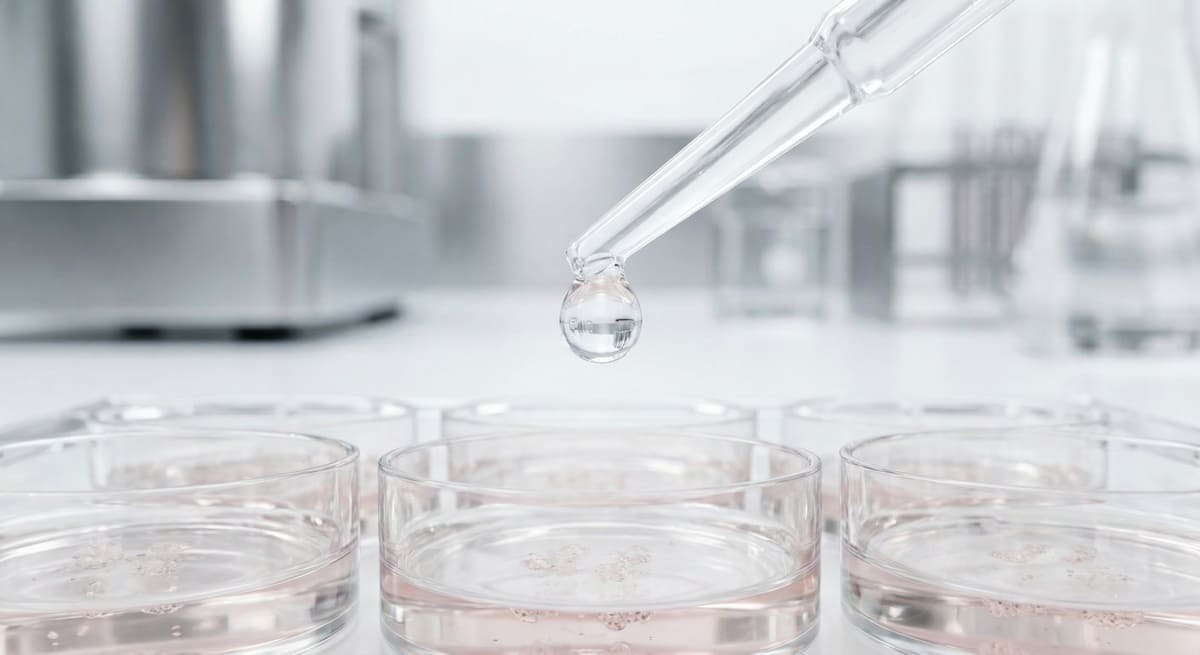
Laboratory pipette dispensing a liquid droplet into petri dishes in a clean scientific research environment

Practical & Commercial Considerations

Processing equipment fit

Standard injection molding and single-screw extrusion equipment handles PS without modification. A general-purpose screw with compression ratio of 2.5:1 to 3.0:1 and L/D ratio of 20:1 to 24:1 suits most grades. PS is not corrosive to standard steel metallurgy, and no special barrel or screw metallurgy is required. Three-zone barrel temperature control is adequate. Hot runner systems work reliably with proper melt temperature control to prevent degradation in dead zones. Sheet extrusion for thermoforming uses two- or three-roll polishing stacks to produce smooth, glossy sheets. Thermoforming equipment requires precise oven temperature control for consistent sheet temperature and forming depth.

Cycle time and productivity notes

PS processes with short cycle times due to rapid solidification from the melt. Mold temperatures of 20-50 degrees C provide fast cooling and support short injection cycles. Thin-wall GPPS parts for packaging achieve cycle times below 10 seconds in optimized multi-cavity tools. HIPS thermoforming achieves high sheet throughput rates with line speeds matched to sheet thickness and draw depth. Both GPPS and HIPS deliver high productivity relative to material cost, making PS one of the most economical thermoplastics for high-volume production.

Drying requirements

PS does not require pre-drying before processing under standard storage conditions. Moisture absorption is below 0.1%, and atmospheric moisture does not cause processing defects such as splay, voids, or molecular weight degradation. This significantly simplifies workflow compared to nylon, PET, and TPU. If material has been exposed to condensation or water immersion, brief drying at 70-80 degrees C for 1-2 hours in a hot air dryer resolves surface moisture. Normal production requires no drying equipment investment.

Melt and mold temperature guidance

Process GPPS at melt temperatures of 220-260 degrees C. Process HIPS at 200-240 degrees C (lower than GPPS due to rubber phase sensitivity to thermal degradation above 250 degrees C). Do not exceed 270 degrees C to prevent thermal yellowing, styrene monomer evolution, and rubber phase degradation. Mold temperatures of 20-50 degrees C provide fast cooling and good surface finish. Higher mold temperatures (40-60 degrees C) improve weld line strength and optical clarity in GPPS parts. Sheet extrusion roll temperatures of 40-70 degrees C produce smooth, glossy HIPS sheet for thermoforming.

Shrinkage

Mold shrinkage of 0.3-0.7% is low and isotropic for both GPPS and HIPS, simplifying tool design and mold compensation. Both materials show minimal anisotropy between flow and cross-flow directions due to the amorphous structure. Post-mold shrinkage is complete within 24 hours. Thick sections show slightly higher shrinkage than thin sections. Glass fiber-reinforced grades show lower shrinkage (0.1-0.3%) with some anisotropy in the flow direction. Overall, PS is one of the most dimensionally predictable commodity thermoplastics.

Dimensional stability and tolerance capability

PS achieves very tight tolerances due to low, uniform shrinkage and excellent stiffness. Tolerances of plus or minus 0.05-0.15 mm are achievable in well-controlled injection molding operations for thin-wall GPPS parts. GPPS is preferred for precision optical components and medical labware requiring sub-millimeter repeatability. Low moisture absorption eliminates humidity-driven dimensional changes that complicate tolerance maintenance with hygroscopic resins. Thermal expansion coefficient of 60-80 x 10^-6 /degrees C is moderate and predictable.

Regrind and scrap utilization

PS accepts regrind at 15-25% ratios for non-critical applications without significant property loss. Clean, single-source regrind processes well in both GPPS and HIPS. Multiple reprocessing cycles cause mild yellowing and slight reduction in impact properties, particularly in HIPS where the rubber phase can partially degrade at processing temperatures. Medical and food contact applications restrict regrind use to maintain compliance. Clear GPPS applications limit regrind ratios to avoid discoloration that reduces optical transparency. Prompt granulation of runners and rejected parts minimizes oxidation.

Featured

Suppliers and Products

image

Styron™

View Products
image

Styron A-Tech

View Products
image

Avantra®

View Products

Frequently Asked Questions

What is the difference between GPPS and HIPS, and how do I choose between them?

GPPS (general purpose polystyrene) and HIPS (high impact polystyrene) share the same styrene backbone but differ in mechanical performance and optical properties. GPPS is transparent, rigid, and stiff with a flexural modulus of 3.0-3.5 GPa, but brittle with only 1-3% elongation at break and notched impact of 15-25 J/m. GPPS is the material of choice for applications requiring optical clarity, such as clear food packaging, medical labware, and display covers.

HIPS adds 5-12% polybutadiene rubber as a dispersed phase, producing elongation at break of 5-50% and notched impact of 50-200 J/m, at the cost of optical transparency. HIPS is opaque in all standard grades and suited for applications where toughness, thermoformability, and processability outweigh the need for clarity. Choose GPPS for transparency and dimensional accuracy in low-impact applications. Choose HIPS for toughness, thermoforming, and structural packaging applications where optical clarity is not required.

Does polystyrene require pre-drying before processing?

No. PS does not require pre-drying before processing under standard storage and handling conditions. Moisture absorption is below 0.1% in 24 hours at 23 degrees C, far below the threshold that causes processing defects. PS granules do not need desiccant storage, sealed containers, or drying equipment for routine production. This is a significant workflow advantage over hygroscopic resins such as nylon (which requires 4-8 hours at 80 degrees C), PET, and TPU.

If material has been exposed to water, condensation, or very humid storage (above 90% RH for extended periods), brief drying at 70-80 degrees C for 1-2 hours removes surface moisture and restores normal processing. Under standard plant conditions, PS runs immediately from the bag without any pre-treatment.

What chemicals should I avoid when using polystyrene parts?

PS is attacked by a broad range of organic solvents and should be evaluated carefully for any chemical contact application. Avoid aromatic hydrocarbons including benzene, toluene, and xylene; ketones including acetone and MEK; esters including ethyl acetate; and all chlorinated solvents including methylene chloride and TCE. These chemicals dissolve or severely swell PS rapidly. Fats, fatty foods, and cooking oils cause surface stress cracking, particularly under mechanical stress.

Safe for PS include water, dilute inorganic acids (below 10% concentration), dilute inorganic bases (below 10% concentration), alcohols at short contact times and ambient temperature, and most aqueous cleaning solutions formulated without solvents. Cleaning products in contact with PS parts must be verified as solvent-free before use. When in doubt, immerse a PS coupon in the candidate chemical for 24-72 hours and check for weight change, dimensional change, and crazing before approving contact in production.

Why does polystyrene turn yellow, and how can I prevent it?

PS yellows by two distinct mechanisms. UV yellowing occurs when aromatic rings in the PS backbone absorb UV radiation and oxidize, forming chromophoric groups that absorb visible light. This is most pronounced for outdoor applications and begins within days of UV exposure in unstabilized grades. Thermal yellowing occurs at processing temperatures above 260-270 degrees C when the PS backbone begins to degrade, releasing styrene monomer and forming colored degradation products.

Preventing UV yellowing requires UV stabilizer packages containing UV absorbers and hindered amine light stabilizers (HALS). Specify UV-stabilized GPPS or HIPS grades for applications exposed to sunlight or UV sources, and validate with accelerated weathering testing against your service life target. Preventing thermal yellowing requires strict melt temperature control during processing, short residence times in the barrel, and purging the machine during extended shutdown. Process PS below 260 degrees C whenever possible and use correctly sized machines to minimize residence time.

What food contact compliance options are available for polystyrene?

Multiple GPPS and HIPS grades from AmSty and INEOS Styrolution comply with US and international food contact regulations. In the US, polystyrene for food contact must comply with FDA 21 CFR 177.1640, which permits PS in contact with all food types under specified conditions of use. Compliant grades are available from all three Formerra suppliers for food packaging, dairy containers, disposable cutlery, and food service items.

For food contact applications in the EU, PS must comply with EU 10/2011 (plastics for food contact materials). Both regulations restrict specific additives and migration limits. When specifying PS for food contact, request the supplier declaration of compliance for the specific grade and confirm that all additives in the formulation appear on the positive list for the target regulation. Formerra technical representatives provide regulatory support and documentation to assist with compliance verification for your specific application and market.

Connect with Our Experts Today

If you need some extra guidance in finding the right product, fill out the form and our team will be in touch shortly.

Contact Us

Browse and Order Products on Formerra+

Explore Our Products on Formerra+ Discover the full range of high-quality products on the upgraded Formerra+ online experience.

Visit Formerra+

Sources

Polystyrene (PS) Overview. SpecialChem / Omnexus. 2024. 

Polystyrene GPPS and HIPS Product Portfolio. AmSty (Americas Styrenics). 2024. 

Styrolution PS General Purpose and High Impact Polystyrene. INEOS Styrolution. 2024. 

Polystyrene GPPS and HIPS Technical Product Guide. Trinseo. 2024. 

Polystyrene Properties and Applications. MatWeb Material Property Database. 2024. 

Formerra
Contact Us View Suppliers
  • About
    • Careers
    • Leadership
    • Newsroom
  • Resources
    • Blog
    • Datasheets
  • Formerra+
    • Login
    • Register
    • Shop Products
Linkedin

Sitemap |  Privacy Policy |  Terms and Conditions of Sale |  Website Legal Disclaimer
