PA6 (Nylon 6)
Lower melting point (220 °C) than PA66. Better impact resistance and processability. Used for fibers, films, and molded parts. More moisture-sensitive than PA66.
Polyamide, commonly known as nylon, is a family of engineering thermoplastics characterized by repeating amide linkages in the polymer backbone. First commercialized by Wallace Carothers at DuPont in the 1930s, polyamide resin revolutionized the materials industry with its exceptional combination of mechanical strength, toughness, and wear resistance. This well-known plastic occupies a critical position in the polymer hierarchy as an engineering thermoplastic, offering performance capabilities far beyond commodity plastics while maintaining excellent processability and cost-effectiveness.
Polyamide material exhibits a semi-crystalline structure that delivers high tensile strength, excellent impact resistance, superior fatigue resistance, and outstanding wear properties. The amide linkages create strong intermolecular hydrogen bonding, resulting in elevated melting temperatures, good chemical resistance to oils and fuels, and exceptional mechanical performance across a wide temperature range. These characteristics make nylon resin ideal for demanding automotive, industrial, and electrical applications requiring long-term reliability under stress.
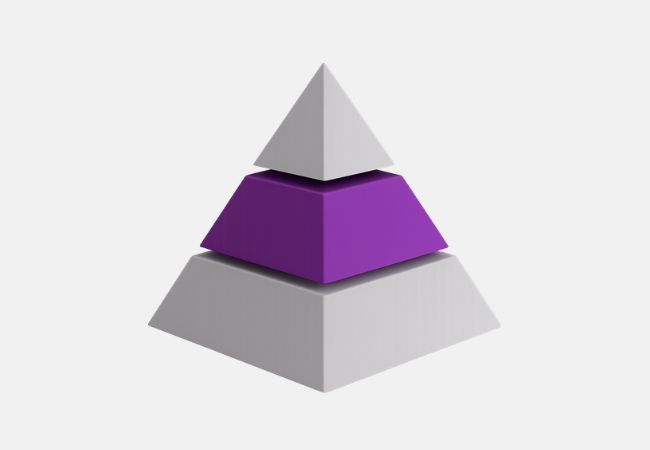
Within the polymer spectrum, polyamide sits firmly in the engineering thermoplastic tier. It bridges the gap between commodity plastics (polyethylene, polypropylene, PVC) and high-performance polymers (PEEK, PEI, PPS). Nylon also delivers mechanical properties approaching those of high-performance polymers at significantly lower cost, making it the material of choice for gears, bearings, structural components, and under-hood automotive applications. The engineering thermoplastic designation reflects polyamide's ability to perform in applications requiring heat resistance, chemical resistance, and dimensional stability under load.
Multiple polyamide types exist based on monomer structure and carbon count in the polymer chain. The two most common are PA6 (nylon 6) and PA66 (nylon 6,6), which differ in melting temperature, crystallinity, moisture absorption, and processing characteristics. Specialty grades include PA11 and PA12 (offering lower moisture absorption), PA612 (improved dimensional stability), and high-temperature PA6T. Each type addresses specific performance requirements in automotive fuel systems, electrical connectors, industrial bearings, medical devices, and consumer applications.
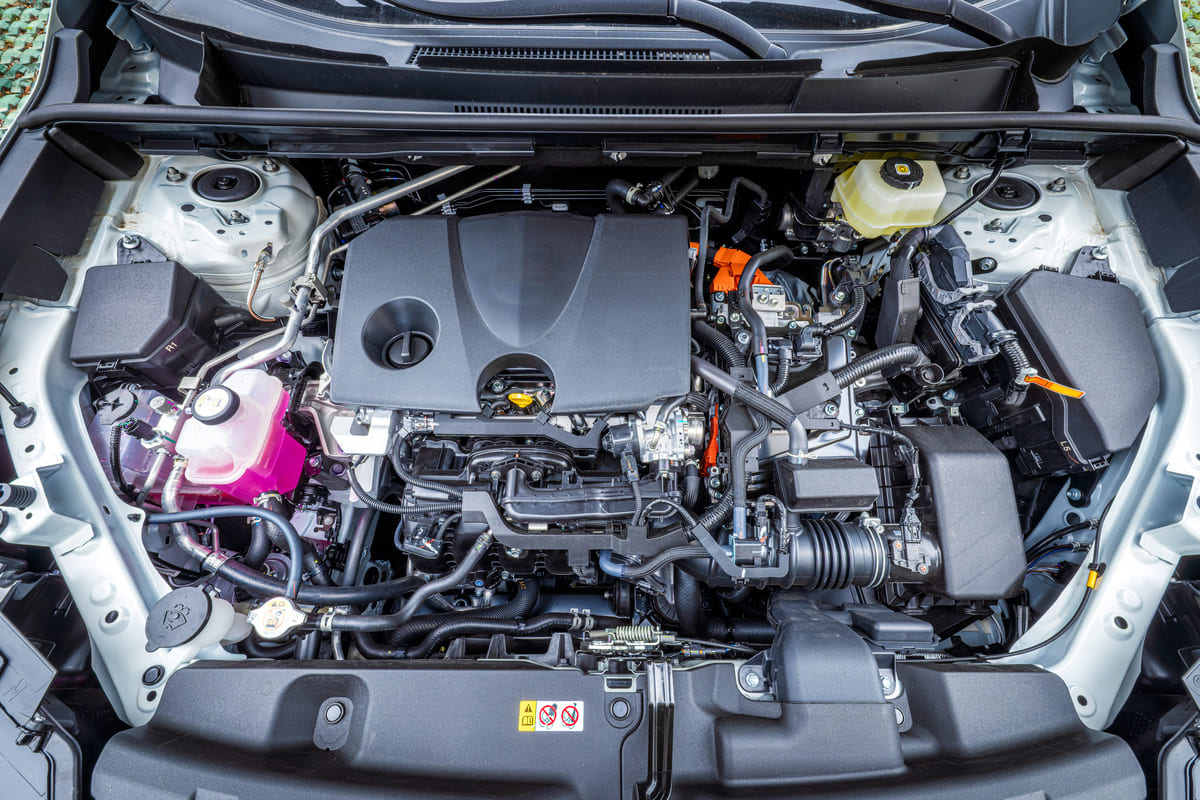
Polyamide resin finds extensive use across diverse industries. Automotive applications include under-hood components (air intake manifolds, engine covers), fuel system parts (tanks, lines, quick connectors), cooling system components, and structural elements. Electrical and electronics applications leverage nylon's dimensional stability and flame retardant formulations for connectors, housings, and cable ties. Industrial machinery relies on polyamide material for gears, bearings, bushings, and conveyor components where wear resistance is critical. Consumer goods, textiles, and 3D printing filaments represent additional major market segments for this versatile engineering thermoplastic.
50-85 MPa (unfilled), 90-200 MPa (glass-filled)
1,000-3,500 MPa (unfilled), 5,000-12,000 MPa (glass-filled)
80-120 MPa (unfilled), 150-300 MPa (glass-filled)
2,000-3,500 MPa (unfilled), 6,000-11,000 MPa (glass-filled)
30-300% (unfilled, grade dependent), 3-6% (glass-filled)
40-80 J/m (unfilled), 80-150 J/m (impact-modified glass-filled)
R108-120
Moderate, increases with moisture content and temperature
80-150 °C (grade dependent, PA6: 80-110 °C, PA66: 90-120 °C, high-temp grades: 130-150 °C)
65-90 °C at 1.8 MPa (unfilled, dry), 150-280 °C (glass-filled, high-temp grades)
45-60 °C (PA6, PA66)
215-265 °C (PA6: 220 °C, PA66: 260-265 °C, PA12: 178 °C)
230-290 °C (grade dependent)
80-100 x 10⁻⁶/°C (unfilled), 20-40 x 10⁻⁶/°C (glass-filled)
0.23-0.33 W/(m·K)
1.5-3.0% for PA6, 1.0-2.5% for PA66, 0.2-0.4% for PA12 in 24 hours at 23 °C. Equilibrium moisture content 2.5-9% depending on grade and humidity. Moisture absorption causes dimensional changes and property reduction. Pre-drying mandatory before processing.
Excellent resistance to oils, greases, fuels, aliphatic hydrocarbons, weak bases, and many solvents. Good resistance to dilute acids at room temperature. Poor resistance to strong acids, oxidizing agents, phenols, and formic acid. Nylon material shows superior chemical resistance to commodity thermoplastics. Moisture accelerates chemical attack.
Poor without UV stabilizers. Yellowing, chalking, and embrittlement occur. Carbon black and UV stabilizers significantly improve outdoor performance. Weatherable grades available for exterior applications.
Moderate. Hot water and steam above 80-100 °C cause hydrolytic degradation over time. Strong acids and bases accelerate hydrolysis. Hydrolysis-resistant grades available for hot water and steam applications.
Moderate susceptibility to environmental stress cracking with strong acids, phenols, and calcium chloride solutions. Zinc chloride test used to evaluate stress cracking resistance.
14-20 kV/mm (dry), 10-15 kV/mm (conditioned)
3.5-4.5 (dry), 5.0-8.0 (conditioned)
10¹³-10¹⁵ ohm·cm (dry), 10¹¹-10¹³ ohm·cm (conditioned)
10¹³-10¹⁴ ohm/sq (dry)
Naturally insulating. Conductive and dissipative grades available with carbon fiber or carbon black for electronics applications.
HB (unfilled), V-2 to V-0 with flame retardant additives
Above 400-450 °C
Combustion produces CO₂, CO, water vapor, ammonia, and nitrogen oxides. Lower smoke toxicity than halogenated polymers.
0.2-0.4 static, 0.15-0.35 dynamic (dry), 0.1-0.25 (lubricated or moisture-conditioned)
Excellent wear resistance. Superior bearing and gear performance. Self-lubricating properties improve with moisture content. Widely used for gears, bearings, bushings, and sliding contacts.
Surface finish capability
Excellent surface finish from molds. Gloss levels range from matte to high-gloss depending on mold surface. Glass-filled grades may show fiber texture. Accepts polishing for improved finish.
Sink/warpage tendencies
Moderate shrinkage (0.5-2.0% unfilled, 0.2-0.8% glass-filled) requires careful mold design and gate location. Moisture conditioning reduces dimensional stability. Ribs and bosses sized at 50-60% wall thickness to minimize sink marks.
Colorability
Good colorability with pigments and dyes. Natural nylon is translucent to opaque off-white. Vibrant colors achievable. Glass-filled grades show fiber patterns. UV stabilizers required for outdoor color stability.
Color stability
Moderate color stability. UV exposure causes yellowing without stabilizers. Heat aging may cause discoloration. Flame retardants can affect color. Carbon black provides excellent UV protection.
Optical properties
Natural nylon translucent to opaque. Glass-filled grades opaque due to fiber scattering. Transparent grades not available. Light transmission limited.
Scratch/chemical mar resistance
Good scratch resistance. Moderate mar resistance. Chemical exposure from oils and fuels does not mar surface. Strong acids cause surface attack and degradation.
Marking methods
Laser etching, hot stamping, pad printing, screen printing, molded-in text. Laser marking produces high-contrast marks without consumables.
Coating/painting/plating suitability
Accepts primers and coatings. Surface preparation required for paint adhesion. Flame treatment or chemical etching improves bonding. Electroplating possible with conductive pretreatment.
Joining methods
Ultrasonic welding excellent for nylon-to-nylon joints. Vibration welding for large parts. Hot plate welding suitable. Snap-fits work well with proper design. Adhesive bonding requires surface preparation. Mechanical fasteners effective. Solvent bonding not recommended.



Polyamide, commonly marketed as nylon, is a family of synthetic polymers characterized by repeating amide (CO-NH) linkages in the polymer backbone. First developed in the 1930s, polyamide represents a major advancement in engineering thermoplastics. Unlike commodity plastics such as polyethylene or polypropylene, which rely on simple carbon-carbon backbones, polyamide's amide linkages create strong intermolecular hydrogen bonding. This bonding gives polyamide resin exceptional mechanical strength, elevated melting temperatures (220-265 °C), excellent wear resistance, and superior chemical resistance to oils and fuels.
Polyamide sits in the engineering thermoplastic tier of the polymer hierarchy, between commodity plastics and high-performance polymers like PEEK. This positioning reflects polyamide material's unique combination of excellent mechanical properties, good processability, and cost-effectiveness. Where commodity plastics offer low cost but limited performance, and high-performance polymers deliver extreme capabilities at high cost, polyamide bridges this gap with automotive-grade strength, heat resistance to 150 °C (high-temp variants to 290 °C), outstanding wear properties for gears and bearings, and excellent resistance to automotive fluids. The semi-crystalline structure provides both toughness and dimensional stability under load, making nylon material the preferred choice for demanding applications requiring long-term reliability.
Polyamide encompasses multiple distinct types based on monomer structure and carbon count. PA6 (nylon 6) and PA66 (nylon 6,6) dominate the market. PA6, made from caprolactam, melts at 220 °C and offers better impact resistance and processability. PA66, synthesized from hexamethylene diamine and adipic acid, melts at 265 °C and delivers superior heat resistance, stiffness, and wear resistance. PA66 is the dominant automotive and industrial grade due to its higher melting point and lower moisture absorption than PA6.
Specialty polyamides address specific performance requirements. PA11 (from castor oil) and PA12 (from butadiene) offer significantly lower moisture absorption than PA6/PA66, providing better dimensional stability in humid environments. These grades excel in fuel lines, air brake tubing, and applications requiring moisture resistance. PA612 combines moderate moisture absorption with good dimensional stability for medical devices and precision components. High-temperature variants including PA6Tachieve heat deflection temperatures of 250-290 °C for automotive under-hood and electrical connector applications requiring elevated temperature resistance.
Within each type, formulations vary widely. Glass-filled grades (15-50% glass fiber) increase stiffness, strength, and heat deflection temperature while reducing shrinkage. Impact-modified formulations enhance toughness for low-temperature applications. Flame-retardant versions achieve UL94 V-0 ratings for electrical applications. Heat-stabilized grades resist thermal degradation in continuous high-temperature service. UV-stabilized formulations enable outdoor exposure. Nylon material selection depends on the specific balance of mechanical properties, heat resistance, moisture sensitivity, and processing requirements for your application.
Polyamide is semi-crystalline, meaning the polymer chains organize into both ordered crystalline regions and disordered amorphous regions. The degree of crystallinity typically ranges from 30-50% depending on grade, cooling rate, and mold temperature. This semi-crystalline nature fundamentally determines polyamide resin's performance characteristics. The crystalline regions, stabilized by strong hydrogen bonding between amide groups, create mechanical strength, heat resistance, and chemical resistance. The amorphous regions provide toughness and impact resistance. This dual-phase structure gives nylon material its excellent balance of strength and toughness.
The semi-crystalline structure affects polyamide in several critical ways. First, crystallinity creates a sharp melting point (220 °C for PA6, 265 °C for PA66) rather than a gradual softening, enabling processing at well-defined temperatures and providing dimensional stability up to the melting point. Second, crystalline regions resist chemical attack, solvent penetration, and moisture diffusion better than amorphous polymers, giving polyamide material excellent resistance to automotive fuels, oils, and greases. Third, the hydrogen bonding in crystalline regions elevates mechanical properties, particularly stiffness and creep resistance, above what amorphous polymers achieve.
Processing conditions significantly affect crystallinity development in polyamide resin. Higher mold temperatures (80-90 °C) and slower cooling rates promote crystallization, increasing mechanical properties and dimensional stability while extending cycle times. Lower mold temperatures (40-50 °C) reduce crystallinity for faster cycles but increase warpage risk. Glass-filled grades crystallize more rapidly due to nucleation on glass fibers. Moisture content also influences crystallinity, as absorbed water acts as a plasticizer and reduces crystalline perfection. Understanding this semi-crystalline behavior is essential for optimizing nylon material processing and achieving target mechanical properties in molded parts.
Yes. Drying is absolutely mandatory before processing polyamide material. This is not optional. Polyamide's hygroscopic nature causes it to absorb moisture from the air. Even material fresh from sealed bags will absorb enough moisture during storage or material handling to cause processing problems. Moisture content must be reduced to less than 0.1% before processing. Without adequate drying, several serious issues occur. Hydrolytic degradation at processing temperatures breaks polymer chains, reducing molecular weight and mechanical properties. Surface defects including splay marks, bubbles, and silver streaking mar part appearance. Dimensional inconsistency and brittleness compromise part quality. These defects are permanent and cannot be corrected after molding.
Standard drying requirements for polyamide resin are 80-110 °C for 4-8 hours in a desiccant dryer with dew points below -40 °C. Specific grades vary: PA6 requires 80-90 °C, PA66 needs 90-100 °C, and high-temperature grades may require 100-110 °C. Drying time depends on pellet geometry and initial moisture content. Hopper dryers maintain material dryness during processing by continuously drying material above the molding machine. Never use hot-air dryers as they introduce moisture-laden air. Material feeders should be purged with dry nitrogen if possible. Once dried, keep material covered and use within 2-4 hours if exposed to ambient air.
Processing temperatures for nylon material range from 230-290 °C depending on grade. PA6 typically processes at 230-260 °C, PA66 at 260-290 °C, and high-temperature grades may exceed 300 °C. Set four temperature zones progressively from feed throat (lower) to nozzle (higher). Mold temperatures of 40-90 °C balance cycle time with crystallinity. Higher mold temperatures (80-90 °C) maximize crystallinity and dimensional stability but extend cooling time. Lower mold temperatures (40-50 °C) reduce cycle times but increase warpage risk. Minimize residence time to 5-10 minutes maximum to prevent thermal degradation. Purge with PE or PP at 250-260 °C when changing materials.
Polyamide carries recycling code 7 (other), reflecting the complexity of nylon recycling compared to commodity thermoplastics. Post-industrial regrind (clean manufacturing scrap) recycles effectively at 10-25% blend levels with virgin polyamide resin. The key requirements are thorough drying (regrind absorbs moisture rapidly due to high surface area), separation by grade (PA6 and PA66 should not be mixed), and removal of contaminants. Glass-filled regrind shows reduced fiber length from repeated processing, which decreases impact strength. Limit regrind content in structural or critical applications to maintain mechanical properties.
Post-consumer polyamide recycling faces significant challenges. Nylon material in end-of-life products is often contaminated with lubricants, oils, dirt, or mixed with other materials. Separating polyamide from other plastics in mixed waste streams requires specialized sorting technology. The hygroscopic nature complicates processing, as moisture must be removed before reprocessing. Glass-filled and filled grades contaminate unfilled recycling streams. Different polyamide types (PA6 vs. PA66 vs. specialty grades) are incompatible and difficult to separate visually. These factors limit mechanical recycling of post-consumer nylon to specialized collection streams such as fishing nets and industrial carpets.
Chemical recycling offers promising alternatives for polyamide. Depolymerization processes can break down nylon back to monomers (caprolactam for PA6, hexamethylene diamine and adipic acid for PA66), which can then be re-polymerized into virgin-quality polyamide resin. This approach handles contaminated and mixed-grade material that mechanical recycling cannot process. Several companies are developing commercial-scale chemical recycling facilities for nylon waste. Bio-based polyamides (PA11 from castor oil) offer renewable content to reduce environmental impact. While mechanical recycling of clean industrial scrap is established, widespread polyamide recycling requires continued development of chemical recycling infrastructure and collection systems for post-consumer material.
If you need some extra guidance in finding the right product, fill out the form and our team will be in touch shortly.
Contact UsDiscover the full range of high-quality products on the upgraded Formerra+ online experience.
Visit Formerra+Sources
DuPont Performance Polymers. Zytel Nylon Resin Design Guide. DuPont de Nemours, Inc. https://www.dupont.com/products/zytel-nylon.html
Celanese Corporation. Celanyl and Ecomid Polyamide Product Guide. Celanese Technical Resources. https://www.celanese.com
Evonik Industries. Vestamid High Performance Polyamides Technical Documentation. https://www.evonik.com/vestamid
Plastics Technology. Polyamide Processing and Applications Handbook. 2023.
Society of Plastics Engineers. Engineering Properties of Thermoplastics, Polyamide Chapter. 2024.