1-888-502-0951
  • Formerra+ Login |
Contact Us
  • Products
    • Products
    • Polymers
    • High-Performance Polymers
    • Sustainable Solutions
    • Elastomers, Adhesives, Sealants
    • Chemistries
    • Products Tap into our expert guidance and product range to uncover solutions that align with your specific application demands. Explore Solutions
  • Suppliers
    • Suppliers
    • AmSty
    • Avient
    • BASF
    • Celanese
    • Chevron Phillips
    • Covestro
    • Delrin
    • Dow
    • DuPont
    • Eastman
    • Evonik
    • GEON
    • H.B Fuller
    • INEOS
    • INEOS Styrolution
    • INVISTA
    • LyondellBasell
    • Nylene
    • Pinnacle Polymers
    • PMC Polymer Products
    • PureCycle
    • RheTech
    • Syensqo
    • Techmer PM
    • Trinseo
    • Westlake Chemical
    • Suppliers We partner with world-class suppliers to provide performance materials and expert support so you can choose with confidence. Find Suppliers
  • Industries
    • Industries
    • Healthcare
    • Outdoor & Powersports
    • Consumer​
    • Mobility
    • Packaging
    • Industrial
    • Electrical & Electronics
    • Building & Construction
    • Industries Supporting diverse industries with advanced materials and expert insight tailored to your specific application needs. View Industries
  • Capabilities
    • Capabilities
    • Technical Support
      • Technical Support
      • Material Selection
      • Process Development & Optimization
      • Training
      • Troubleshooting
    • Quality Compliance
      • Quality Compliance
      • REACH Compliance
    • Supply Chain Optimization
    • Capabilities Optimize production with Formerra’s expert support in technical guidance, supply chain solutions, and compliance. Learn More
  • Resources
    • Resources
    • Blog
    • Datasheets
    • Documentation
      • Documentation
      • ISO Certificate
      • ISCC Certificate
      • Terms and Conditions of Sale
      • W9 and Supporting Document
    • Line Cards
      • Line Cards
      • Supplier
      • High Performance Polymers
      • Sustainability
      • Automotive
      • Healthcare
      • Outdoor High Performance
    • Product Literature
    • Resources Your one-stop hub for blogs, line cards, certifications, brochures, and essential safety and technical documentation. Access Resources
  • About
    • About
    • Global Network
      • Global Network
      • Asia
      • Central America
      • Europe
      • North America
    • Value Chain
    • Careers
    • Leadership
    • Newsroom
    • About Formerra is a next-gen materials distributor empowering innovation through expertise, collaboration, and technical support. Our Story
  • Formerra+
    • Formerra+
    • Login
    • Register
    • Track Orders
    • Shop Products
    • Formerra+ Get 24/7 access to real-time pricing, product data, and fast ordering with a Formerra+ account. Shop Products
    • formerra
Contact Us

Ethylene-Vinyl Acetate (EVA) & Blends

Ethylene-Vinyl Acetate (EVA) & Blends

Material Category

Engineering Thermoplastics

Typical Fillers / Reinforcements

Flame retardants (ATH, magnesium hydroxide), cross-linking agents (peroxides), UV stabilizers, foaming agents (azodicarbonamide), antioxidants, mineral fillers for cable compounds, colorants, processing aids

Compatible Processes

Injection molding, Extrusion (film, sheet, profile, tubing, coating), Blow molding, Compression molding, Foam processing (compression and extrusion), Calendering

Regulatory Approvals

FDA 21 CFR 177.1350 (food contact), USP Class VI (medical grade, Celanese Ateva), ISO 10993 (biocompatibility), UL44 (wire and cable insulation), RoHS-compliant grades available

Find this polymer at Formerra+
Overview EVA Types and Grades Performance Characteristics Strengths, Weaknesses, & Operating Limits Applications Key Industries Design, Assembly & Aesthetics Practical & Commercial Considerations Featured Products and Suppliers Frequently Asked Questions

Ethylene-Vinyl Acetate (EVA) Overview

Ethylene-vinyl acetate (EVA) is a versatile polyolefin copolymer known for flexibility, softness, and toughness at temperatures as low as -50 degrees C. Produced by copolymerizing ethylene with vinyl acetate monomers, the material delivers a broad property range from a tough, semi-rigid film polymer to a soft, rubber-like elastomer depending on vinyl acetate (VA) content. First commercialized in the 1960s, EVA has grown into one of the most widely used polyolefin copolymers across flexible packaging, hot melt adhesives, athletic footwear, wire and cable jacketing, and solar photovoltaic encapsulant film.

As an EVA copolymer resin supplier, Formerra provides access to multiple ethylene vinyl acetate polymer grades from Celanese and Dow, including flexible film grades, adhesive formulations, foam processing grades, and medical-compliant ethylene vinyl acetate copolymer resin for packaging, footwear, wire and cable, and healthcare applications.

EVA is produced through high-pressure free-radical copolymerization of ethylene and vinyl acetate monomers. The vinyl acetate content controls the balance between the crystalline polyethylene backbone and the polar acetate groups distributed along the chain. Low VA content (4-15%) retains significant crystallinity and LDPE-like rigidity. Higher VA content (18-40%) disrupts crystallinity progressively, increasing flexibility, softness, and optical clarity. At VA levels above 40%, the copolymer approaches elastomeric behavior comparable to flexible rubber compounds, making it a cost-effective alternative to thermoset rubbers in many soft-touch and seal applications.

EVA pellets are available in grades ranging from approximately 4% to 42% vinyl acetate content, covering applications from stiff packaging films to soft elastomeric compounds. Melt flow index spans from fractional melt grades suited to extrusion film to ultra-high-flow grades for hot melt adhesive applications. Specialty grades include cross-linkable foam grades for athletic footwear and padding, UV-stabilized outdoor grades for agricultural and solar applications, and formulations certified for food contact and medical use per FDA 21 CFR 177.1350 and USP Class VI requirements.

Low-temperature flexibility and toughness are defining characteristics of EVA copolymer. The material maintains impact resistance and ductility to -50 degrees C, well below the performance limits of commodity polyethylene at equivalent densities. Increasing VA content lowers the glass transition temperature further, enabling grades for extreme cold applications in frozen food packaging, refrigeration seals, outdoor protective covers, and cold chain logistics components. Parts function without brittleness or cracking through the temperature swings encountered in real-world distribution and storage environments.

Adhesion to diverse substrates is another key strength of ethylene vinyl acetate. The polar vinyl acetate groups improve compatibility with metals, paper, cellulose, and polar polymer films compared to non-polar polyethylene. This adhesion capability makes EVA the preferred base for hot melt adhesive formulations used in packaging, bookbinding, and product assembly. In multi-layer flexible packaging films, EVA tie layers prevent delamination under mechanical stress and temperature variation. In extrusion coating, EVA bonds securely to paper and board substrates at high production speeds.

Processing versatility allows EVA to be shaped by injection molding, extrusion, blow molding, compression molding, and foam processing. The material melts and processes at 150-200 degrees C, considerably below the processing windows of engineering thermoplastics such as nylon or polycarbonate. This lower processing temperature reduces energy consumption and broadens equipment compatibility, including use on older and general-purpose machinery across extrusion film, injection molding, and foam press operations.

EVA pellets processed as foam grades undergo cross-linking during compression molding or extrusion foaming to form a closed-cell structure. Cross-linking fixes the foam geometry and improves resilience, tear strength, and compression set recovery beyond what non-cross-linked grades deliver. The resulting foam structure is stable, odorless, and resistant to moisture, making it the material of choice in athletic footwear midsole production globally.

pyramid

EVA Types and Grades

Low VA Content (4-15%)

Film and packaging grades retaining significant LDPE-like crystallinity, stiffness, and heat seal performance. Improved low-temperature toughness and lower heat seal initiation temperature versus LDPE. Flexible packaging film, stretch wrap, extrusion coating on paperboard, and agricultural film.

Medium VA Content (15-28%)

Adhesive and compound grades with reduced crystallinity and increasing flexibility and substrate adhesion. Good bonding to metals, paper, polar films, and fabric substrates. Hot melt adhesive formulations, carpet backing compounds, flooring, and general compounding.

High VA Content (28-42%)

Soft, near-amorphous grades with rubber-like flexibility, high optical clarity, and superior adhesion. Maximum softness and low-temperature performance. Solar photovoltaic encapsulant film, soft overmolding compounds, and flexible medical packaging.

Cross-Linkable Foam Grades

Peroxide- or radiation-crosslinkable EVA for compression molded or extruded closed-cell foam. Lightweight, resilient structure with good chemical resistance. Athletic footwear midsoles, sports padding, yoga mats, protective packaging inserts, and marine buoyancy products.

Medical and USP Grades

Biocompatible formulations meeting FDA 21 CFR 177.1350 and USP Class VI standards, with full traceability. IV bags, medical tubing, device packaging, pharmaceutical blister film, and drug delivery components.

Performance Characteristics

Mechanical Properties

Mechanical Properties

Tensile strength

8-25 MPa (VA content and density dependent)

Elongation at break

400-800%

Flexural modulus

10-100 MPa (VA content dependent)

Hardness

Shore A 40-90 depending on VA content and grade

Tear strength

20-80 kN/m (grade dependent)

Compression set (foam grades)

20-50% at 23 degrees C, 72 h

Thermal Properties

Thermal Properties

Melting point

60-95 degrees C (decreases with increasing VA content)

Service temperature range

-50 to 80 degrees C (continuous use)

Processing temperature range

150-200 degrees C

VICAT softening point

30-70 degrees C (VA content dependent)

Coefficient of linear thermal expansion

150-250 x 10^-6 /degrees C

Operating Environment

Operating Environment

Water absorption

Less than 0.3% in 24 h at 23 degrees C. EVA absorbs minimal moisture due to its predominantly non-polar polyethylene backbone. Pre-drying is generally not required before processing. High VA content grades absorb slightly more moisture from polar acetate groups. Parts maintain good dimensional stability in humid service environments compared to hygroscopic engineering resins such as nylon or TPU.

UV/weatherability rating

Fair without stabilizers; good with UV packages. Unstabilized EVA yellows under UV exposure as vinyl acetate groups oxidize over time. UV-stabilized grades maintain color and mechanical properties for moderate outdoor exposure. Agricultural film grades require specific UV and thermal stabilizer packages for multi-season service life. Carbon black loaded grades provide strong UV protection for wire and cable jacketing applications.

Hydrolysis resistance

Good under most ambient conditions. EVA resists water immersion reliably at ambient temperatures. Prolonged exposure to water above 70 degrees C and steam degrades vinyl acetate groups, releasing acetic acid and reducing mechanical properties. Standard grades perform reliably in ambient water contact applications. Confirm grade suitability before specifying EVA in high-temperature or continuous water immersion service.

Stress cracking sensitivity

Low compared to polyethylene. Polar vinyl acetate groups reduce environmental stress cracking susceptibility versus LDPE. EVA shows better stress cracking resistance when exposed to surfactants and polar chemicals. The material accommodates stress through elastic deformation rather than brittle cracking, reducing failure risk compared to more rigid polyolefins in constrained assemblies.

Electrical Properties

Electrical Properties

Dielectric strength

20-30 kV/mm

Dielectric constant

3.0-4.5 at 1 MHz (increases with VA content)

Dissipation factor

0.01-0.05 at 1 MHz

Volume resistivity

10^14-10^16 ohm-cm

Surface resistivity

10^14-10^15 ohm

Physical Properties

Physical Properties

Density

0.920-0.960 g/cm3 (unfilled solid); 0.040-0.200 g/cm3 (cross-linked foam)

Melt flow index (MFI)

0.3-150 g/10 min (wide range across grades)

Mold shrinkage

1.0-3.5% (increases with VA content)

Rebound resilience (foam grades)

50-70%

Flammability rating

UL94 HB (standard grades); flame-retardant grades available

Chemical Resistance

Chemical Resistance

Excellent resistance

Dilute acids, dilute bases, water, alcohols, mineral oils, greases, vegetable oils

Good resistance

Aliphatic hydrocarbons, glycols, dilute oxidizing agents

Limited resistance

Concentrated acids and bases, aromatic hydrocarbons (benzene, toluene), some polar solvents

Poor resistance

Chlorinated solvents, ketones (acetone, MEK), strong oxidizing agents, esters (ethyl acetate)

EVA provides better polar chemical compatibility than LDPE due to vinyl acetate groups, while maintaining good resistance to many non-polar fluids common in packaging and industrial environments.

Strengths, Weaknesses, & Operating Limits

Key Strengths

  • Low-Temperature Flexibility and Toughness: EVA maintains flexibility and impact resistance to -50 degrees C, a temperature range where commodity polyethylene becomes brittle and unreliable. Increasing VA content lowers the glass transition temperature further, enabling grades for extreme cold applications. This performance makes EVA essential for frozen food packaging, cold chain logistics, refrigeration seals, and outdoor protective covers. Parts function without brittleness or cracking through the temperature swings encountered in distribution, storage, and end-use environments.
  • Broad VA Content Range for Custom Property Profiles: The ability to tune vinyl acetate content from 4% to 42% creates a single polymer family spanning a wide property range. Low VA grades deliver LDPE-like stiffness with improved seal strength. High VA grades approach the softness and resilience of rubber compounds. This tunable nature allows designers to target specific combinations of flexibility, clarity, adhesion, and processing temperature without changing polymer families, reducing trial-and-error material substitution and simplifying supplier relationships.
  • Superior Adhesion to Diverse Substrates: Polar vinyl acetate groups improve adhesion to metals, cellulose, paper, polar films, and fabric substrates compared to non-polar polyethylene. This compatibility makes EVA the standard base for hot melt adhesive formulations used in packaging, bookbinding, and assembly. In multi-layer packaging films, EVA tie layers prevent delamination under mechanical stress and temperature variation. In extrusion coating, EVA bonds securely to paper and board substrates at commercial production speeds without primers.
  • Low Processing Temperature and Energy Efficiency: EVA melts and processes at 150-200 degrees C, considerably below nylon (250-280 degrees C) or polycarbonate (280-320 degrees C). This lower temperature reduces heating energy, extends equipment life, and allows use on older or general-purpose extrusion and injection molding equipment. Start-up and shutdown cycles are faster. The combination of low energy demand and processing versatility lowers total manufacturing cost for high-volume film and adhesive applications.
  • Foam Processing Versatility: Cross-linkable EVA grades produce lightweight, resilient closed-cell foam through compression molding or continuous extrusion foaming. Cross-linked EVA foam achieves densities of 0.04-0.20 g/cm3 with rebound resilience of 50-70%, making it ideal for athletic footwear midsoles, sports padding, yoga mats, and protective packaging inserts. The foam is odorless, chemically resistant, and easy to fabricate by cutting, skiving, and lamination. No competing polyolefin foam system matches EVA's balance of weight, resilience, and cost in volume footwear production.
  • Compliance for Food Contact and Medical Applications: Specific EVA grades from Celanese (Ateva) comply with FDA 21 CFR 177.1350 for food contact, USP Class VI for medical device applications, and ISO 10993 biocompatibility requirements. These grades enable use in food packaging films, IV bags, medical tubing, and pharmaceutical blister components. Compliance reduces regulatory development time and supports market entry for regulated applications. The availability of certified grades from verified Formerra suppliers simplifies procurement and traceability documentation.
  • Optical Clarity at High VA Content: High VA grades (above 18%) deliver transparency comparable to LDPE film at low cost. Clarity improves with VA content as reduced crystallinity eliminates light scattering from crystalline domains. Solar encapsulant films use this optical transparency along with high UV transmittance to protect photovoltaic cells without attenuating light. Clear food packaging films communicate product quality while protecting contents. Medical grade films with transparency support visual inspection of packaged device components.

Known Weaknesses

  • Limited Heat Resistance: Continuous service temperature of 70-80 degrees C and a melting point of 60-95 degrees C restrict EVA from high-temperature applications. The material softens under load well below engineering thermoplastics. Automotive under-hood applications, industrial heat exposure, and appliance components requiring sustained temperatures above 80 degrees C require alternative polymers. Even in packaging applications, EVA-sealed structures exposed to hot fill or retort processing require grade confirmation from the supplier before specification.
  • Acetic Acid Release at Elevated Processing Temperatures: Degradation of vinyl acetate groups above 200-210 degrees C releases acetic acid, which corrodes steel processing equipment and creates off-odor in finished parts. Processing above the degradation threshold causes discoloration, reduced molecular weight, and regulatory concerns for food and medical applications. Corrosion-resistant metallurgy for screws and barrels is recommended for long-term processing of high VA grades. Tight temperature control throughout the barrel prevents localized overheating and the associated degradation.
  • Moderate Mechanical Strength: Tensile strength of 8-25 MPa falls below engineering thermoplastics and general-purpose polymers like polypropylene (25-40 MPa) in many comparisons. EVA is not a load-bearing structural material. Applications requiring sustained mechanical loads, stiffness, or dimensional stability under stress require alternative polymers or EVA compounds with reinforcing fillers. Foam grades have significantly lower tensile properties than solid EVA grades and should be designed for cushioning rather than structural loading.
  • Creep Under Sustained Load: The low modulus and near-amorphous nature of high VA grades creates susceptibility to creep under sustained mechanical load, particularly at elevated temperatures. Parts deform progressively under stress, reducing dimensional accuracy and increasing failure risk over time. Applications with sustained compressive or tensile loads benefit from grades with lower VA content and higher crystallinity. Foam grades show compression set accumulation under sustained loading in seating and cushioning applications.
  • Limited UV Resistance Without Stabilizers: Unstabilized EVA yellows and loses mechanical properties under UV exposure, limiting its outdoor durability. Achieving multi-year outdoor service life requires specific UV and thermal stabilizer packages that add formulation cost and complexity. Even with stabilizers, EVA does not match the inherent UV resistance of ASA, acrylic, or UV-stabilized polypropylene for long outdoor service. Applications with stringent long-term color retention requirements require careful grade selection and accelerated weathering validation.
  • Variable Foam Quality from Processing Sensitivity: Cross-linked EVA foam quality depends on precise control of cross-linking agent content, foaming agent content, press temperature, pressure, and cycle time. Small process variations produce differences in foam density, cell structure, and surface quality. Process development requires significant technical resources and well-maintained equipment. The process window is narrower than for solid EVA processing, and compression molded foam produces flash requiring secondary trimming. Experienced operators and rigorous process monitoring are essential for consistent foam quality.

Operating Limits

  • Temperature Range: Continuous service temperature of -50 to 80 degrees C for solid EVA grades and -50 to 70 degrees C for foam grades defines the operational envelope. Melting onset at 60-95 degrees C limits dimensional stability under load at elevated temperatures. Processing at 150-200 degrees C is safe but must not exceed 210 degrees C to prevent vinyl acetate degradation and acetic acid formation. Low VA grades tolerate higher processing temperatures; high VA grades require tighter temperature control throughout the barrel. Applications exceeding 80 degrees C continuous service should specify low VA grades or alternative materials.
  • Chemical Environment: Avoid chlorinated solvents, ketones including acetone and MEK, aromatic hydrocarbons including benzene and toluene, and strong oxidizing agents throughout the product lifecycle. These chemicals cause swelling, softening, or dissolution of EVA. Concentrated acids and bases attack the ester linkage in vinyl acetate groups over extended contact. Water below 70 degrees C, dilute acids, bases, alcohols, and mineral oils present no significant risk under standard service conditions. Confirm chemical compatibility with Formerra for specific service conditions and prolonged exposure durations.
  • Mechanical Stress and Loading: Limit sustained loads to 10-15% of tensile strength to prevent creep deformation. Foam grades have much lower load-bearing limits and should be designed for cushioning rather than structural load-bearing. Heat-sealed joints show lower tensile strength than the base film and govern design strength in sealed packaging applications. Sharp edges and thin sections reduce fatigue life under cyclic loading. Design for load distribution over large contact areas rather than point or line loading to maximize part life.

Typical Applications

  • Flexible packaging films for produce, fresh food, and frozen food requiring heat sealability and low-temperature toughness
  • Hot melt adhesive formulations for packaging, carton sealing, bookbinding, and product assembly
  • Athletic footwear midsoles and casual footwear outsoles using cross-linked EVA foam
  • Wire and cable jacketing for low-voltage flexible wiring requiring flexibility and abrasion resistance
  • Agricultural greenhouse and tunnel films with UV stabilizer packages for multi-season service
  • Medical and pharmaceutical packaging films, IV bags, and tubing using FDA-compliant ethylene vinyl acetate copolymer resin
  • Solar photovoltaic encapsulant films protecting cell laminate assemblies in module construction
  • Extrusion coating for paperboard juice cartons, aseptic packaging, and food service cups

Niche Applications

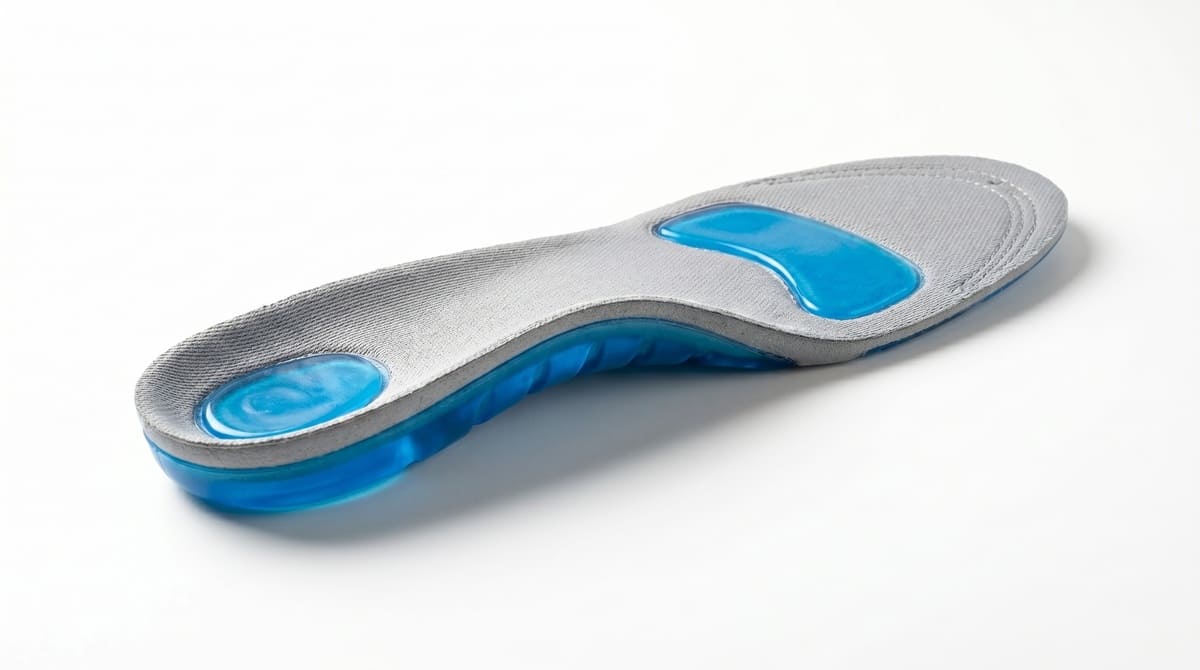
  • Orthotic and prosthetic foam insoles and liners requiring custom compression molding
  • Aquaculture net buoys, fish cage floats, and marine buoyancy products using closed-cell foam
  • Sports protective gear including shin guards, elbow pads, and helmet liner pads
  • Drug delivery patch substrates and reservoir film components
  • Cross-linked foam core for composite panel construction and lightweight insulation systems
  • Underwater vibration damping mounts for marine and naval equipment

Key Industries

Packaging

Consumer

Electrical & Electronics

Healthcare

Industrial

Outdoor & Recreation

Design, Assembly & Aesthetics

Surface finish capability

EVA reproduces mold surface texture from high-gloss to matte and embossed patterns. The low melt viscosity at processing temperatures allows fine mold detail filling. Soft grades require careful ejection design to prevent part distortion during demolding. Compression molded foam grades show a smooth integral skin when processed in fully closed molds. Surface roughness and texture depth depend on mold finish quality and processing conditions.

Sink, warpage, and visible defect tendency

Higher mold shrinkage (1.0-3.5%) compared to rigid thermoplastics increases the risk of sink marks, warpage, and dimensional variation. Uniform wall thickness and proper gate location minimize visible defects in injection molded parts. High VA grades show greater shrinkage and are more susceptible to warpage. Transparent grades reveal flow lines and weld lines more readily than opaque formulations. Post-mold conditioning for 12-24 hours before dimensioning is recommended for critical tolerance applications.

Colorability

EVA accepts masterbatch colorants in a wide range of colors with good depth and consistency. The flexible, low-viscosity melt disperses pigments well. Transparent high VA grades deliver vibrant, clean color in translucent formulations. Opaque colors require titanium dioxide-based white masterbatch as a base. Color uniformity is consistent across production runs with properly specified let-down ratios and well-maintained mixing equipment.

Color stability

Unstabilized EVA yellows under UV exposure and at elevated processing temperatures due to oxidation of vinyl acetate groups. UV and antioxidant stabilizers maintain color for moderate outdoor exposure. High VA grades show more pronounced yellowing under UV and heat than low VA grades. Clear and light-colored formulations show color shift more readily than dark or opaque parts. Applications with stringent color retention requirements should specify stabilized grades and validate performance under accelerated weathering protocols.

Transparency and clarity

High VA content grades (above 18%) transmit 85-90% of visible light in thin film form, delivering clarity comparable to LDPE film. Optical clarity improves with VA content as reduced crystallinity eliminates light scattering from crystalline spherulites. Low VA grades appear hazy due to microcrystalline structure. Solar encapsulant grades maintain high optical transmission across the UV and visible spectrum. Processing cooling rate and temperature affect achieved clarity in the finished part or film.

Abrasion and chemical mar resistance

EVA shows moderate abrasion resistance suitable for packaging and foam applications. The material is not appropriate for structural wear surfaces requiring the abrasion performance of TPU or polyamide. Soft grades scratch more readily than rigid thermoplastics. Chemical mar resistance is good for water and mild cleaning agents but poor for ketones, aromatic solvents, and chlorinated compounds. Foam surfaces accept coatings to improve mar and abrasion resistance in demanding applications.

Marking methods

Inkjet and pad printing using adhesion-promoted inks work on solid EVA parts with appropriate surface preparation. Hot stamping produces decorative finishes on injection molded housings and foam products. In-mold labeling is compatible with injection molded parts. Embossing during compression molding creates tactile branding and texture effects for foam products. Laser marking performance on EVA varies by grade and colorant package; test representative samples before production commitment.

Coating, painting, and plating suitability

EVA accepts adhesive coatings and laminated film layers well due to inherent polar surface energy from vinyl acetate groups. Surface energy is higher than LDPE, reducing corona treatment requirements in some bonding applications. Flexible coatings accommodate substrate elongation in film applications. Rigid coatings crack under flex and are not suitable for flexible EVA film or foam grades. Surface treatment including corona and plasma activation improves adhesion for printing, bonding, and lamination.

Joining methods

Heat sealing is the primary joining method for EVA film and sheet, with seal initiation temperatures lower than LDPE. RF welding joins EVA for medical bags and inflatable products. Ultrasonic welding accommodates simple geometries and thicker sections in rigid EVA parts. Adhesive bonding using polyurethane, hot melt, or contact adhesives provides flexible joints with good lap shear strength. Foam grades bond well with flexible contact cement and compatible hot melt adhesives. Overmolding onto compatible substrates is possible with proper process development.

Gray orthopedic shoe insole with blue gel cushioning pads on a white background

Practical & Commercial Considerations

Processing equipment fit

Standard injection molding and extrusion equipment handles EVA without specialized modifications. A screw compression ratio of 2.5:1 to 3.5:1 and L/D ratio of 20:1 to 24:1 suits most grades. Use corrosion-resistant metallurgy for screws and barrels when processing high VA grades (above 18%) to resist acetic acid from temperature excursions. Barrel venting improves part quality by releasing volatiles during processing. Hot runner systems are compatible with injection molded parts. Foam grades processed in compression presses require matched mold tooling with precise temperature and pressure control for consistent cell structure and part density.

Cycle time and productivity notes

Low processing temperatures (150-200 degrees C) allow faster startup and shorter heat-up times compared to engineering thermoplastics. Extrusion film lines run at high throughput rates due to the excellent melt flow of EVA. Injection molded parts cool relatively quickly at standard mold temperatures. High VA grades require slightly longer cooling to achieve sufficient green strength before ejection. Foam grades require complete cross-linking and foaming reactions to occur within the press cycle, which ranges from 5-20 minutes depending on part thickness and press temperature. Overall productivity for solid EVA is high relative to the processing cost of engineering alternatives.

Drying requirements

EVA generally does not require pre-drying before processing due to low moisture absorption below 0.3%. This is a significant productivity advantage over hygroscopic resins such as nylon, polyester, and TPU. If material has been stored in damp conditions or if parts show surface splay, voids, or bubbles, drying at 60-80 degrees C for 1-2 hours in a hot air dryer resolves moisture-related defects. Medical and optical grade applications verify moisture content as a quality control step before processing. The absence of mandatory drying simplifies production workflow and reduces energy costs in high-volume operations.

Melt and mold temperature guidance

Process EVA at melt temperatures of 150-200 degrees C depending on grade and application. Low VA grades (4-15%) process at 165-200 degrees C. High VA grades (28-42%) process at 150-175 degrees C. Do not exceed 210 degrees C to prevent vinyl acetate degradation and acetic acid formation. Mold temperatures of 10-30 degrees C provide fast cooling and good surface quality for injection molded parts. Film extrusion chill rolls operate at 15-25 degrees C to maximize optical clarity. Higher mold temperatures (30-50 degrees C) reduce demolding forces and improve surface gloss for transparent grades. Monitor melt temperature at the nozzle to confirm accurate barrel control.

Shrinkage

Mold shrinkage ranges from 1.0-3.5% depending on VA content, density, and processing conditions. Low VA grades show shrinkage toward the lower end of this range due to retained crystallinity. High VA grades shrink more due to reduced crystallinity and higher thermal expansion. Post-mold shrinkage continues for 12-24 hours after part ejection as the material fully equilibrates. Foam grades undergo significant volume change during processing and require different tool design calculations. Anisotropic shrinkage differences between flow and transverse directions produce warpage in non-symmetric parts.

Dimensional stability and tolerance capability

Low moisture absorption delivers good dimensional stability in humid service environments, unlike hygroscopic engineering resins. Thermal expansion coefficient of 150-250 x 10^-6 /degrees C is high relative to metals and engineering thermoplastics, requiring compensation in assemblies combining EVA with dissimilar materials. Solid EVA achieves tolerances of plus or minus 0.2-0.5 mm for typical packaging and consumer applications. Foam parts hold looser tolerances due to variable expansion ratios and processing variability. Precision parts requiring tight tolerances benefit from lower VA content grades with more predictable and consistent shrinkage behavior.

Regrind and scrap utilization

EVA accepts regrind at 10-25% ratios for standard non-critical applications without significant property loss. Clean, single-source regrind maintains properties more reliably than mixed-source material. Multiple reprocessing cycles degrade molecular weight and cause discoloration from vinyl acetate group oxidation. Granulate runners, sprues, and rejected parts promptly to minimize oxidative degradation. Foam grade regrind is not practical due to cross-linking, since cross-linked material does not re-melt and process as thermoplastic. Medical and food contact applications restrict or prohibit regrind use to maintain regulatory compliance and traceability.

Featured

Suppliers and Products

Celanese logo

Ateva®

View Products
Celanese logo

Ateva® G Medical Grade

View Products
dow logo

ELVAX™

View Products
image

Ultrathene®

View Products
image

Elevate™

View Products

Frequently Asked Questions

How does vinyl acetate content affect EVA properties and grade selection?

Vinyl acetate content is the primary driver of EVA properties across the full product range. Low VA content (4-15%) produces grades that behave similarly to LDPE, with significant crystallinity, good stiffness for their density, excellent heat seal strength, and low heat seal initiation temperature. These grades suit packaging film, extrusion coating, and agricultural applications.

Medium VA content (15-28%) reduces crystallinity and increases flexibility, softness, and substrate adhesion. These grades cover hot melt adhesives, carpet backing compounds, and flexible film where improved bonding to paper, metals, and polar films is needed.

High VA content (28-42%) creates near-amorphous grades with rubber-like softness, excellent optical clarity, and superior adhesion.Solar encapsulant film, very flexible packaging, medical film, and soft compound applications use these grades. Select VA content based on the specific combination of stiffness, adhesion, transparency, and processing temperature your application requires. Higher VA content lowers the melting point, increases material cost, and requires tighter temperature control during processing to prevent degradation.

What are the main differences between EVA and low-density polyethylene (LDPE)?

EVA and LDPE share a polyethylene backbone but differ significantly in several key performance areas. EVA maintains flexibility and impact resistance to -50 degrees C, where LDPE begins to stiffen noticeably at similar temperatures. EVA also carries a lower melting point (60-95 degrees C versus 100-115 degrees C for LDPE), enabling lower heat seal initiation temperatures for flexible packaging applications.

EVA shows better adhesion to polar substrates including paper, metals, and polar polymer films because vinyl acetate groups raise surface polarity. This makes EVA the standard choice for hot melt adhesives and extrusion coating, where LDPE adhesion is insufficient for most production requirements.

LDPE delivers better chemical resistance to aromatic and chlorinated solvents compared to high VA EVA grades. LDPE is generally lower cost for equivalent film applications. Select EVA when your application requires better low-temperature performance, lower heat seal initiation temperature, improved substrate adhesion, or foam processing capability.

What makes EVA the preferred material for foam footwear midsoles?

EVA foam dominates athletic footwear midsoles because it delivers the best combination of light weight, resilience, cushioning, processability, and cost among available foam materials.

Cross-linked EVA foam achieves densities of 0.04-0.20 g/cm3 with rebound resilience of 50-70%, giving midsoles the energy return properties that running and athletic shoe designs require. The foam is odorless, resistant to perspiration and common cleaning agents, and stable through thousands of flex cycles. Compression molded EVA midsoles precisely replicate mold geometry, allowing complex ergonomic shapes with consistent dimensional accuracy. The material bonds reliably to outsole rubber and upper fabrics using contact cement or hot melt adhesives.

No competing polyolefin or rubber foam system matches EVA's combination of light weight, cushioning, resilience, processability, and cost in volume footwear production. Polyurethane foam delivers higher resilience but at greater material cost and processing complexity. EVA remains the material of choice across volume athletic, casual, and safety footwear production globally.

Does EVA require pre-drying before processing?

No. EVA generally does not require pre-drying before processing. Moisture absorption is below 0.3% in 24 hours at 23 degrees C, much lower than hygroscopic engineering resins such as nylon (2-9%), PET (requires drying), and TPU (0.5-1.2%). This is a significant processing advantage that reduces handling complexity and energy costs in production.

If material has been stored in excessively humid conditions, or if parts show surface defects including splay marks, voids, or bubbles, drying at 60-80 degrees C for 1-2 hours removes residual surface moisture. A standard hot air or desiccant dryer is sufficient. Medical and optical grade applications include moisture verification as a quality control step. Unlike nylon or TPU, EVA does not require sealed containers or climate-controlled storage for normal production use.

What food contact and medical compliance options are available for EVA?

Multiple EVA grades comply with US and international food contact and medical use regulations. For food contact applications in the US, EVA must meet FDA 21 CFR 177.1350, which covers ethylene-vinyl acetate copolymers for food contact film, coating, and closure applications. Celanese Ateva grades include formulations specifically certified for food contact.

For medical device applications, grades certified to USP Class VI demonstrate biocompatibility for use in tubing, IV bags, device packaging, and other patient-contact components. ISO 10993 testing provides biocompatibility data for device registration in regulated markets. When specifying EVA for regulated applications, request the applicable grade regulatory documentation from your Formerra representative to confirm current certifications. Confirm that all additives in the grade formulation, including antioxidants and processing aids, comply with applicable regulations for the intended use. Traceability and lot documentation support regulatory submissions for medical device applications.

Connect with Our Experts Today

If you need some extra guidance in finding the right product, fill out the form and our team will be in touch shortly.

Contact Us

Browse and Order Products on Formerra+

Explore Our Products on Formerra+ Discover the full range of high-quality products on the upgraded Formerra+ online experience.

Visit Formerra+

Sources

Ethylene Vinyl Acetate (EVA). SpecialChem / Omnexus. 2024. 

Ateva(R) Ethylene Vinyl Acetate (EVA) Polymers. Celanese Corporation. 2024. 

ELVAX(TM) Ethylene Vinyl Acetate (EVA) Resins. Dow Chemical Company. 2024.

EVA Copolymers: Properties and Processing. Plastics Technology. 2023. 

Ethylene-Vinyl Acetate Properties and Applications. MatWeb Material Property Database. 2024. 

Formerra
Contact Us View Suppliers
  • About
    • Careers
    • Leadership
    • Newsroom
  • Resources
    • Blog
    • Datasheets
  • Formerra+
    • Login
    • Register
    • Shop Products
Linkedin

Sitemap |  Privacy Policy |  Terms and Conditions of Sale |  Website Legal Disclaimer