
1-888-502-0951
  • Formerra+ Login |
Contact Us
  • Products
    • Products
    • Polymers
    • High-Performance Polymers
    • Sustainable Solutions
    • Elastomers, Adhesives, Sealants
    • Chemistries
    • Products Tap into our expert guidance and product range to uncover solutions that align with your specific application demands. Explore Solutions
  • Suppliers
    • Suppliers
    • AmSty
    • Avient
    • BASF
    • Celanese
    • Chevron Phillips
    • Covestro
    • Delrin
    • Dow
    • DuPont
    • Eastman
    • Evonik
    • GEON
    • H.B Fuller
    • INEOS
    • INEOS Styrolution
    • INVISTA
    • LyondellBasell
    • Nylene
    • Pinnacle Polymers
    • PMC Polymer Products
    • PureCycle
    • RheTech
    • Syensqo
    • Techmer PM
    • Trinseo
    • Westlake Chemical
    • Suppliers We partner with world-class suppliers to provide performance materials and expert support so you can choose with confidence. Find Suppliers
  • Industries
    • Industries
    • Healthcare
    • Outdoor & Powersports
    • Consumer​
    • Mobility
    • Packaging
    • Industrial
    • Electrical & Electronics
    • Building & Construction
    • Industries Supporting diverse industries with advanced materials and expert insight tailored to your specific application needs. View Industries
  • Capabilities
    • Capabilities
    • Technical Support
      • Technical Support
      • Material Selection
      • Process Development & Optimization
      • Training
      • Troubleshooting
    • Quality Compliance
      • Quality Compliance
      • REACH Compliance
    • Supply Chain Optimization
    • Capabilities Optimize production with Formerra’s expert support in technical guidance, supply chain solutions, and compliance. Learn More
  • Resources
    • Resources
    • Blog
    • Datasheets
    • Documentation
      • Documentation
      • ISO Certificate
      • ISCC Certificate
      • Terms and Conditions of Sale
      • W9 and Supporting Document
    • Line Cards
      • Line Cards
      • Supplier
      • High Performance Polymers
      • Sustainability
      • Automotive
      • Healthcare
      • Outdoor High Performance
    • Product Literature
    • Resources Your one-stop hub for blogs, line cards, certifications, brochures, and essential safety and technical documentation. Access Resources
  • About
    • About
    • Global Network
      • Global Network
      • Asia
      • Central America
      • Europe
      • North America
    • Value Chain
    • Careers
    • Leadership
    • Newsroom
    • About Formerra is a next-gen materials distributor empowering innovation through expertise, collaboration, and technical support. Our Story
  • Formerra+
    • Formerra+
    • Login
    • Register
    • Track Orders
    • Shop Products
    • Formerra+ Get 24/7 access to real-time pricing, product data, and fast ordering with a Formerra+ account. Shop Products
    • formerra
Contact Us

Cellulose Acetate (CA)

Cellulose Acetate (CA)

Material Category

Engineering Thermoplastics

Typical Fillers / Reinforcements

Plasticizers (required for processing, 15-35% by weight), UV stabilizers, colorants, optical brighteners, processing stabilizers

Compatible Processes

Injection molding, Extrusion (sheet, profile, film), Blow molding (limited), Sheet machining and cutting (eyewear frame fabrication)

Regulatory Approvals

FDA 21 CFR (food contact grades), EU 10/2011 (food contact), ISO 10993-1 (medical grades), ASTM D6866 (bio-based content verification)

Find this polymer at Formerra+
Overview Cellulose Acetate Types and Grades Performance Characteristics Strengths, Weaknesses, and Operating Limits Applications Key Industries Design, Assembly, and Aesthetics Practical and Commercial Considerations Featured Products and Suppliers Frequently Asked Questions

Cellulose Acetate Overview

Cellulose Acetate (CA) is a semi-synthetic thermoplastic derived from naturally occurring cellulose, the structural polysaccharide found in wood pulp and cotton fibers. Produced by reacting purified cellulose with acetic anhydride in the presence of acetic acid and sulfuric acid, the process replaces the hydroxyl groups on the cellulose backbone with acetyl groups.

First developed in the early 1900s and commercialized as a thermoplastic in the 1930s, cellulose acetate was among the first semi-synthetic polymers to find broad industrial use, and it remains the premium choice for eyewear frames and specialty consumer applications today.

As a cellulose acetate distributor, Formerra provides access to Eastman's Tenite cellulosics portfolio, which includes Tenite Acetate (CA), Tenite Butyrate (CAB), and Tenite Propionate (CAP). These three members of the cellulosic family offer properties from the classic clarity and feel of standard acetate to the improved moisture resistance and outdoor durability of the mixed ester grades.

Cellulose acetate properties are determined by two variables: the degree of acetyl substitution and the plasticizer type and loading. Unlike most thermoplastics, commercial cellulose acetate requires plasticizer to enable processing. 

Without plasticizer, cellulose acetate degrades before reaching its melt temperature. Plasticizer content (typically 15-35% by weight) exerts greater influence on final properties than grade variation alone. Lower plasticizer levels produce harder, stiffer, more heat-resistant parts. Higher plasticizer content produces flexible, impact-resistant, soft-feel products. The characteristic warm tactile feel and optical depth of processed acetate, combined with its renewable cellulose feedstock, distinguish it from petroleum-based alternatives in premium consumer applications.

pyramid

Cellulose Acetate Types and Grades

Cellulose acetate materials are available in these grades, with specific plasticizer levels tailored to the application's requirements for flexibility, heat resistance, surface hardness, and regulatory compliance. Eastman offers custom plasticizer levels within each grade family for application-specific property targeting.

Optical clarity and tactile quality are the defining attributes that keep cellulose acetate in premium applications despite higher cost than petroleum-based alternatives. 

Standard CA grades transmit 88-92% of visible light with a warm, glass-like refractive quality. The material produces rich color depth in transparent and tinted applications, creating an optical warmth that polycarbonate and PMMA cannot replicate. 

This sensory quality is why premium eyewear brands, cosmetic companies, and consumer goods manufacturers specify cellulose acetate when material aesthetics are part of the product's value proposition.

The bio-based origin of cellulose acetate gives it a sustainability narrative unavailable in petroleum-based thermoplastics. The cellulose backbone is sourced 100% from wood pulp derived from sustainably managed forests. Tenite Renew grades add certified recycled content to further reduce the environmental footprint. 

While cellulose acetate is not inherently biodegradable in standard conditions, it does compost under industrial composting conditions and has measurably lower fossil carbon content than comparable petroleum-derived polymers.

CAB and CAP, the mixed ester grades, extend the cellulosic family into applications requiring better moisture resistance and outdoor performance than standard CA provides. CAB balances the classic acetate properties with improved UV stability and lower moisture uptake, making it suitable for automotive interior trim, coatings bases, and outdoor consumer goods. CAP goes further, with the best moisture resistance of the three types and compatibility with automotive exterior trim coating systems. All three process on the same equipment with similar temperature profiles, simplifying manufacturing transitions between grades.

Cellulose Acetate (CA) - Tenite Acetate

Standard acetate with classic transparency, warm feel, and excellent colorability. Primary use in eyewear frames, cosmetic packaging, toothbrush handles, and consumer goods. Available from Eastman in a range of plasticizer levels.

Cellulose Acetate Butyrate (CAB) - Tenite Butyrate

Mixed ester with both acetyl and butyryl groups on the cellulose backbone. Better moisture resistance than CA, improved UV stability, and lower processing temperatures. Used in automotive trim, outdoor applications, and tool handles.

Cellulose Acetate Propionate (CAP) - Tenite Propionate

Mixed ester with both acetyl and propionyl groups. Best moisture resistance of the three cellulosic types, excellent outdoor durability, and good chemical resistance. Used in automotive exterior trim, tool handles, and toothbrush handles.

High Plasticizer Grade (Flexible CA)

Higher plasticizer loading (30-35%) for maximum impact resistance and flexibility. Used in soft-touch consumer goods, flexible packaging closures, and applications requiring resilient deformation without fracture.

Low Plasticizer Grade (Rigid CA)

Lower plasticizer loading (15-20%) for maximum stiffness, heat resistance, and dimensional stability. Used in precision consumer goods, dental appliance trays, and applications requiring minimal creep.

Tenite Renew (Sustainable)

Grades incorporating certified recycled content (minimum 20%) and bio-based cellulose feedstock. Supports brand sustainability goals with mass-balance-certified renewable content. Available in CA, CAB, and CAP formulations.

Performance Characteristics

Mechanical Properties

Mechanical Properties

Tensile strength

20-60 MPa (highly plasticizer dependent)

Flexural modulus

500-2,500 MPa (highly plasticizer dependent)

Elongation at break

5-50% (plasticizer dependent)

Notched Izod impact

15-90 J/m (plasticizer dependent - higher plasticizer yields higher impact)

Rockwell hardness

R40-R120 (wide range depending on plasticizer content)

Thermal Properties

Thermal Properties

Heat deflection temperature (HDT)

50-90°C at 1.82 MPa (plasticizer dependent)

Vicat softening point

60-100°C

Processing temperature range

175-240°C

Continuous use temperature

40-75°C (plasticizer dependent)

Coefficient of linear thermal expansion

80-130 x 10-6 /°C

Operating Environment

Operating Environment

Water absorption

High: 2-8% in 24 h at 23°C (the primary service limitation of cellulose acetate). Absorbed moisture acts as an additional plasticizer, softening the part and reducing dimensional stability over time in humid environments. CAB shows significantly better moisture resistance (1-3% in 24 h) and CAP the best (0.5-2% in 24 h). For applications where dimensional stability under humidity is critical, specify CAP or low-plasticizer grades. Pre-dry thoroughly before processing to below 0.2% moisture.

UV/weatherability rating

Good (CA), Very Good (CAB), Excellent (CAP). Standard CA shows some yellowing under prolonged UV, limiting outdoor durability. CAB and CAP show substantially better UV stability due to the mixed ester chemistry. CAP is the preferred cellulosic for outdoor applications including automotive exterior trim and tool handles used outdoors. For indoor consumer goods and eyewear, standard CA UV stability is adequate for normal indoor light exposure.

Hydrolysis resistance

Moderate. Cellulose acetate hydrolysis proceeds slowly under acidic or alkaline conditions. The acetate ester linkages hydrolyze over time at extremes of pH or at elevated temperatures. Standard service conditions (neutral pH, ambient temperature) produce minimal hydrolysis over a product's service life. Avoid prolonged exposure to strong acids or alkalis. Dishwasher service above 65°C may cause gradual property change in CA grades with higher plasticizer content.

Stress cracking sensitivity

Moderate. Cellulose acetate stress cracks in contact with ketones, esters, and aromatic solvents under mechanical stress. Residual molding stresses increase sensitivity. Annealing at 60-70°C for 1-2 hours reduces residual stress and improves stress cracking resistance in service. Plasticizer type and content also influence stress cracking behavior; consult Eastman technical data for grade-specific guidance.

Optical Properties

Optical Properties

Light transmission

88-92% (clear/natural grades)

Haze

1-3% (optimally processed)

Refractive index

1.47-1.50

Gloss

75-90 GU at 60° on polished tooling

Natural color

slight ivory tint; rich depth in colored transparent grades

Electrical Properties

Electrical Properties

Dielectric strength

10-15 kV/mm

Dielectric constant

3.5-7.0 at 1 MHz (plasticizer dependent)

Volume resistivity

10^10-10^13 Ohm-cm (lower than most engineering thermoplastics)

Physical Properties

Physical Properties

Density

1.27-1.34 g/cm³ (CA), 1.15-1.22 g/cm³ (CAB), 1.17-1.24 g/cm³ (CAP)

Melt flow index

varies with plasticizer and grade (test before specification)

Mold shrinkage

0.3-0.8% (CA), 0.3-0.7% (CAB/CAP)

Chemical Resistance

Chemical Resistance

Excellent resistance

Aliphatic hydrocarbons, gasoline (short-term), dilute weak acids

Good resistance

Alcohols, oils and fats (short-term)

Limited resistance

Water (causes swelling and softening over time), dilute alkalis

Poor resistance

Ketones (acetone, MEK), esters, aromatic hydrocarbons, strong acids and alkalis, chlorinated solvents

Note

CAB and CAP show better water resistance than standard CA. All three cellulosic types share sensitivity to ketones and esters. For applications involving chemical contact, test the specific grade against the service chemicals before finalizing specification.

Strengths, Weaknesses, and Operating Limits

Key Strengths

  • Bio-Based and Renewable Origin: The cellulose backbone in cellulose acetate is derived from wood pulp sourced from sustainably managed forests, giving it a verified bio-based content not available in petroleum-derived thermoplastics. Tenite Renew grades from Eastman add certified recycled content (minimum 20%) to further reduce fossil carbon footprint. For brands competing on sustainability credentials in eyewear, cosmetics, and consumer goods, cellulose acetate offers a genuinely renewable material story that resonates with consumers and satisfies ESG reporting requirements.
  • Premium Tactile Feel and Optical Warmth: Cellulose acetate produces a sensory experience that petroleum-based thermoplastics do not replicate. The warm, slightly soft surface feel of acetate, the optical warmth and depth of transparent and tinted grades, and the natural dimensional warmth of the material in contact with skin all contribute to a premium perception that commands price premium in eyewear, cosmetic packaging, and consumer goods. No synthetic thermoplastic has succeeded in matching this combination of sensory qualities at comparable cost.
  • Plasticizer-Tunable Property Range: A single cellulose acetate grade family spans rigid and dimensionally stable applications (low plasticizer, Rockwell R120) through flexible, impact-resistant goods (high plasticizer, Rockwell R40) by adjusting plasticizer content. This tuning capability means one material family covers a very broad application range. Custom plasticizer levels from Eastman allow property targeting to match specific application requirements without changing base polymer chemistry or processing equipment.
  • Excellent Colorability and Depth: Cellulose acetate accepts transparent, translucent, and opaque colorants with exceptional color depth. Transparent tinted grades achieve a rich, jewel-like appearance not achievable in most other thermoplastics. Layered and patterned color effects achievable in acetate sheet for premium eyewear frames are a unique aesthetic capability unavailable in injection-molded synthetic alternatives. Color consistency is excellent across production runs.
  • Food Contact and Medical Compliance: Food contact-compliant grades of Tenite cellulosics meeting FDA 21 CFR and EU 10/2011 are available, making cellulose acetate suitable for cutlery handles, toothbrush heads, and food-adjacent consumer goods. Medical-grade CA meets ISO 10993-1 for device housings and dental appliance trays. The bio-based origin adds a compliance narrative relevant to medical and food contact markets where synthetic polymer concerns are growing.
  • Three-Grade Family for Broad Application Coverage: CA, CAB, and CAP address different performance requirements within the same cellulosic material family. CA covers premium indoor consumer applications. CAB extends to automotive interior, coatings, and moderate outdoor use. CAP handles automotive exterior trim, tool handles, and the most demanding outdoor applications. All three process on the same equipment, allowing manufacturers to switch between grades for different product lines without capital investment.

Known Weaknesses

  • High Moisture Absorption: CA absorbs 2-8% water in 24 h, substantially more than most engineering thermoplastics. Absorbed moisture softens parts, increases dimensions, and reduces mechanical properties in humid service environments. This is the primary limitation restricting cellulose acetate from applications with water immersion, high humidity cycling, or outdoor weathering. CAB and CAP reduce moisture uptake significantly but do not eliminate it. Applications where dimensional stability in wet conditions is critical should test grade-specific performance before finalizing specifications.
  • Plasticizer Migration Over Time: Plasticizers in cellulose acetate migrate slowly to the surface and into contact media over the product's service life. This migration reduces flexibility and impact resistance over time, produces surface tack or bloom in prolonged contact with other materials, and contaminates food contact applications if non-approved plasticizers are used. Food contact grades use approved plasticizer systems that comply with migration limits, but the phenomenon must be managed in product design and shelf life testing.
  • Limited Chemical Resistance to Solvents: Ketones (acetone, MEK), esters (ethyl acetate), and aromatic hydrocarbons dissolve or severely attack cellulose acetate at room temperature. Chlorinated solvents cause rapid degradation. This restricts use in manufacturing environments where these solvents are present for cleaning, adhesive application, or surface treatment. Specify compatible cleaning agents and test all contact materials before use in service.
  • Higher Cost vs. Commodity Plastics: Cellulose acetate carries a significant cost premium over polypropylene, polystyrene, and ABS. The premium reflects the specialized manufacturing process, plasticizer formulation, and natural cellulose feedstock. For applications where the bio-based origin, premium feel, and optical quality are valued, the cost premium is justified. For functional components where these attributes are not required, commodity alternatives deliver equivalent performance at lower cost.
  • Narrower Processing Window vs. Synthetic Thermoplastics: Cellulose acetate degrades before reaching its melt temperature without plasticizer, requires careful temperature control to avoid yellowing and degradation, and needs thorough pre-drying before processing. The processing window of 175-240°C is narrower than most engineering thermoplastics, and exceeding 240°C causes visible yellowing and property degradation in clear grades. This processing sensitivity requires closer operator attention than standard synthetic thermoplastics.

Operating Limits

  • Temperature and Moisture: Continuous use temperature of 40-75°C depends heavily on plasticizer content. Low-plasticizer grades tolerate up to 75°C; high-plasticizer grades soften above 50-55°C. Humid environments accelerate plasticizer migration and dimensional change. Applications combining heat and humidity accelerate both effects simultaneously. Dishwasher cycling above 65°C, steam cleaning, and tropical outdoor environments all stress cellulose acetate beyond its typical service limits. CAP grades extend outdoor service life significantly.
  • Chemical Environment: Avoid ketones, esters, aromatic hydrocarbons, and chlorinated solvents throughout manufacturing and service. These chemicals dissolve or severely attack all three cellulosic types. Restrict alkaline cleaners to pH 9 or lower. Mild soaps, water, and isopropyl alcohol are compatible for standard cleaning. In food contact applications, verify that food-grade plasticizer systems and approved colorants are in place, and confirm migration compliance for the specific food type and contact conditions.
  • Mechanical Stress and Loading: Avoid sharp corners and abrupt section changes in brittle low-plasticizer grades. Corner radii of 0.5-1.5 mm reduce stress concentration. Anneal precision parts at 60-70°C for 1-2 hours to reduce residual molding stress before service. Sustained loading creates gradual creep, with the rate accelerating at elevated temperature or in humid conditions. For eyewear frames, Eastman's Tenite grades are specifically formulated and tested to deliver the flex cycling performance required for temple hinge durability.

Typical Applications

  • Eyeglass frames and temples (injection molded CA) for reader, prescription, and sunwear
  • Toothbrush handles requiring tactile warmth, bio-based content, and food contact compliance
  • Cosmetic and personal care packaging requiring glass-like clarity and premium feel
  • Tool handles (screwdrivers, files, brushes) using CAP for outdoor durability and grip comfort
  • Dental appliance trays and orthodontic components using medical-grade CA
  • Automotive interior knobs, trim, and switch bezels using CAB for aesthetics and heat resistance
  • Consumer goods requiring bio-based content and premium tactile quality
  • Cutlery handles and kitchen goods requiring food contact compliance and natural feel
  • Pen and pencil barrels and writing instrument components
  • Toy components requiring safety compliance, colorability, and impact resistance

Niche Applications

  • Premium spectacle frame laminate sheet for handcrafted eyewear fabrication
  • Guitar picks and musical instrument components requiring resonance and feel
  • Cigarette filter tow (major commercial use of cellulose acetate fiber form)
  • Membrane applications for dialysis and water filtration using CA film
  • Photographic film base for archival and specialty applications
  • Nail care and cosmetic accessories requiring bio-based content certification

Key Industries

Consumer

Mobility

Healthcare

Industrial

Packaging

Design, Assembly, and Aesthetics

  • Surface finish capability: Cellulose acetate produces excellent gloss surfaces with 75-90 GU at 60° on polished tooling. The material delivers a warm, glass-like visual quality distinct from synthetic thermoplastics. Color depth in transparent and tinted grades achieves a richness unavailable in most other injection-molding materials. Surface quality is consistent across production runs. For eyewear frames machined from sheet, the cut and polished surface reveals internal color patterns characteristic of premium acetate frames.
  • Sink, warpage, and visible defect tendency: Low mold shrinkage (0.3-0.8%) and isotropic shrinkage for unfilled grades make cellulose acetate well-behaved for dimensional control. Weld lines are visible in transparent applications and require careful gate design. Moisture absorbed during storage affects part dimensions after molding, requiring controlled conditioning before assembly of precision components. Anneal parts at 60-70°C to reduce residual stress before final inspection.
  • Colorability: Cellulose acetate accepts the widest range of colorants of any thermoplastic in the cellulosic family. Transparent, translucent, and opaque formulations all achieve exceptional color depth and richness. Layered color effects, tortoiseshell patterns, and gradient appearances are achievable in sheet form for premium eyewear. In injection molded pellet form, standard colorant masterbatch systems produce consistent colored production. The slight natural ivory tint of the base resin is managed with optical brighteners in clear grades.
  • Color stability: Acceptable for indoor applications. Standard CA shows some yellowing under prolonged UV exposure, limiting outdoor applications without UV stabilization. CAB and CAP show better UV color stability for outdoor use. High-plasticizer grades are more susceptible to yellowing at elevated processing temperatures. Process at the lower end of the recommended temperature window (175-210°C) for best color quality in clear and light-colored grades.
  • Scratch and mar resistance: Surface hardness (Rockwell R40-R120, depending on plasticizer) determines scratch resistance. Low-plasticizer grades approach the scratch resistance of PMMA. High-plasticizer flexible grades show lower scratch resistance but better impact performance. The warm, slightly yielding surface of acetate is more forgiving of minor impacts than PMMA or polycarbonate, and fine scratches on acetate eyewear frames are more easily buffed out than on harder polymers.
  • Marking methods: Pad printing and screen printing work cleanly on acetate surfaces. Laser engraving and cutting work with appropriate laser parameters. Hot stamping produces decorative metallic finishes standard in the eyewear industry. Engraving from the mold tool provides permanent identification. Surface energy is moderate, supporting good ink adhesion without surface activation for standard print inks.
  • Coating and painting suitability: Cellulose acetate accepts clear lacquer coatings for gloss enhancement. Vacuum metallization produces decorative chrome effects on smooth surfaces. The acetate surface must be cleaned and primed before painting to ensure adhesion and prevent solvent attack. UV-protective clear coats extend outdoor service life for CAP grades used in automotive trim. Avoid solvent-based coatings containing ketones or esters that attack the substrate.
  • Joining methods: Acetone and MEK solvent bonding produces strong joints between CA parts by dissolving and fusing the surfaces. Use with care and ventilation due to solvent attack risk on the surrounding surface. Cyanoacrylate adhesives create structural bonds. Ultrasonic welding is limited by the thermoplastic nature and low service temperature of cellulose acetate. Mechanical fastening with screws and snap-fits works well in low-plasticizer grades. Eyewear frame hinge attachment typically uses mechanical barrel hinge inserts.
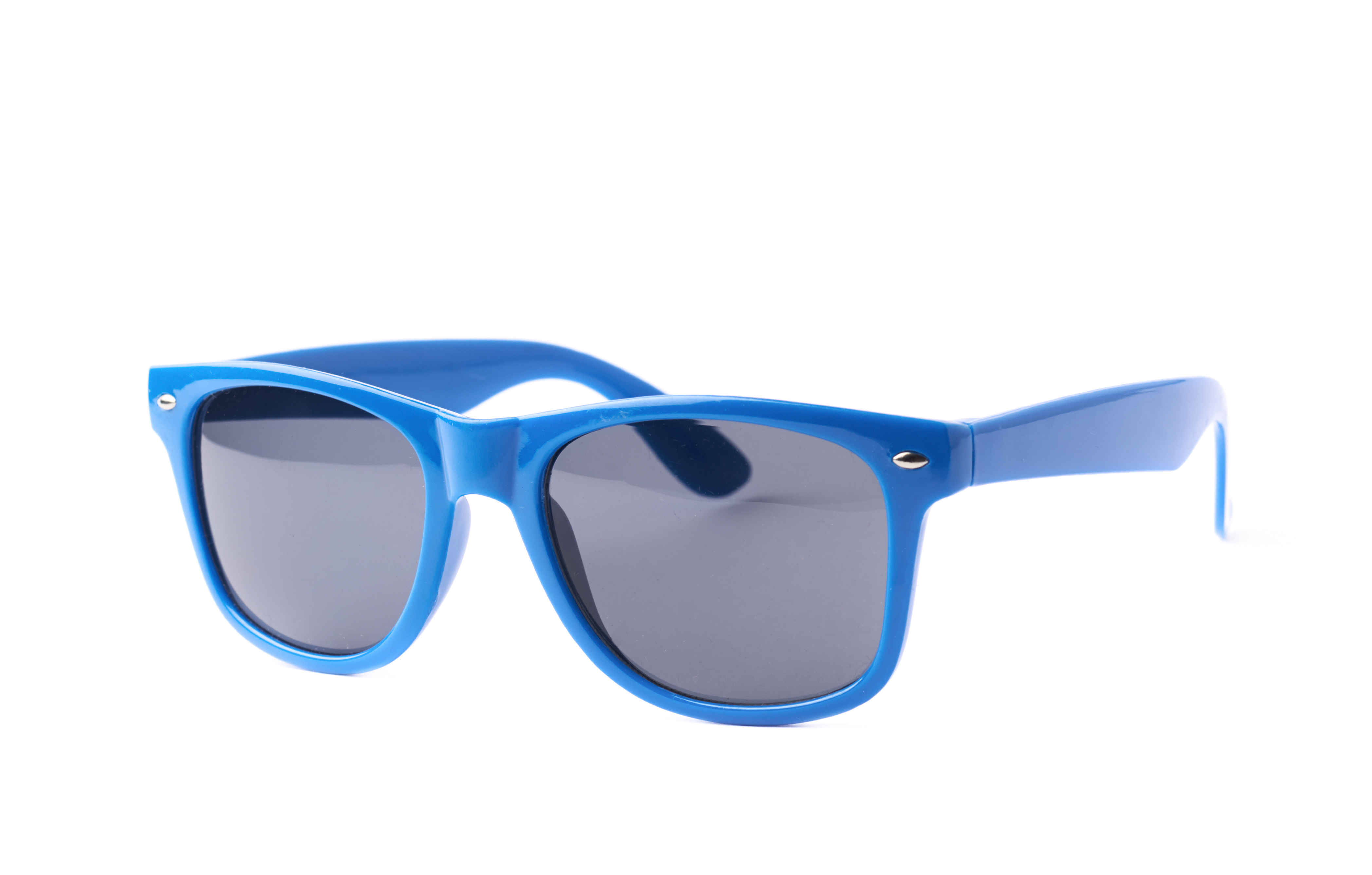
Blue frame sunglasses

Practical and Commercial Considerations

Processing equipment fit

Cellulose acetate processes on standard reciprocating screw injection molding equipment. Temperature-controlled barrels with precise zone control are essential due to the narrow processing window and degradation sensitivity. Stainless steel or corrosion-resistant surfaces are recommended in barrel and screw contact zones to handle the slightly corrosive nature of hot acetic acid released during processing. Tooling should be chrome-plated or hardened to prevent corrosion from trace acetic acid in the melt. Extrusion lines for sheet production use similar temperature-controlled equipment with polished rolls for surface quality.

Cycle time and productivity notes

Cellulose acetate cycle times are comparable to engineering thermoplastics for similar wall thickness and part geometry. Cooling times of 20-35 seconds apply for 2-3 mm wall thickness. Higher mold temperatures (50-70°C) improve surface quality but extend cooling time. Injection speeds should be moderate to prevent flow marks and gate blush in clear grades. Throughput is competitive with standard injection-molded engineering polymers for similar part volumes.

Drying requirements

Pre-dry cellulose acetate pellets at 70-80°C for 3-4 hours in a dehumidifying dryer to achieve moisture content below 0.2%. Thorough drying is critical. Insufficient drying causes splay marks, surface bubbles, yellowing, and reduced clarity in transparent parts. Moisture damage is immediately visible in clear grades, making drying essential for quality production. Sealed packaging should remain closed until loading into the dryer. Do not overdry; extended drying above 80°C causes plasticizer volatilization and surface quality problems.

Melt and mold temperature guidance

Process cellulose acetate at melt temperatures of 175-240°C. Standard CA grades with moderate plasticizer process well at 195-215°C. CAB and CAP grades process at 185-220°C. Avoid melt temperatures above 240°C to prevent yellowing, degradation, and acetic acid evolution. Mold temperatures of 40-70°C are typical. Higher mold temperatures (55-70°C) improve surface gloss and reduce residual stress. Purge the barrel thoroughly when shutting down to prevent degraded resin from contaminating the next production run.

Shrinkage

Mold shrinkage of 0.3-0.8% is consistent and low, supporting good dimensional control. Shrinkage is isotropic for unfilled grades. Post-mold shrinkage continues for 24-48 hours as residual stress relaxes and moisture equilibrates with the ambient environment. Condition parts at ambient temperature and humidity for 24 hours before final dimensional inspection. The combination of low shrinkage and moderate hygroscopicity means final dimensions depend on the ambient humidity at inspection.

Dimensional stability and tolerance capability

High moisture absorption (2-8% for CA) produces significant dimensional variation with humidity in service. A CA part conditioned at 50% relative humidity and then exposed to 90% relative humidity will absorb moisture and swell measurably. For applications requiring tight dimensional tolerances in service, specify CAP grades (0.5-2% moisture absorption) and condition parts to equilibrium humidity before assembly. Standard CA grades achieve tolerances of ±0.2-0.4 mm for injection-molded parts under controlled conditions.

Regrind and scrap utilization

Cellulose acetate accepts regrind at 10-20% for opaque and standard applications. Transparent and high-clarity applications limit regrind to 10% or less due to yellowing risk. Medical, food contact, and premium eyewear applications use virgin resin only. Dry regrind with virgin material before processing. Discard yellowed or degraded regrind immediately. Acetic acid released from degraded regrind accelerates degradation in subsequent shots. Control regrind quality rigorously, as cellulose acetate is more sensitive to regrind-induced degradation than most synthetic thermoplastics.

Featured

Products and Suppliers

image

Tenite™ Acetate

View Products
image

Butyrate

View Products
image

Propionate

View Products

Frequently Asked Questions

What makes cellulose acetate different from petroleum-based thermoplastics?

Cellulose acetate is derived from wood pulp cellulose, a natural and renewable polymer, rather than from petroleum refining. This bio-based origin gives it a fundamentally different feedstock story from polyolefins, ABS, polycarbonate, and other synthetic thermoplastics. The cellulose backbone accounts for 40-60% of the material by weight, contributing to a measurable reduction in fossil carbon content compared to fully petroleum-derived alternatives.

Beyond feedstock, the material properties of cellulose acetate reflect its natural origin. The warm tactile feel, the optical depth and warmth of clear and tinted grades, and the characteristic surface quality of acetate come from the cellulose molecular structure rather than from additive systems. These intrinsic sensory properties are what sustain the specification of cellulose acetate in premium eyewear and consumer goods despite the availability of cheaper synthetic alternatives.

How do CA, CAB, and CAP differ from each other?

All three are cellulosic plastics based on the same cellulose backbone, but they differ in the chemical groups used to substitute the cellulose hydroxyl groups. Cellulose Acetate (CA) substitutes with acetyl groups only. Cellulose Acetate Butyrate (CAB) substitutes with a mix of acetyl and butyryl groups. Cellulose Acetate Propionate (CAP) substitutes with a mix of acetyl and propionyl groups.

These chemical differences produce measurable property differences. CA has the highest moisture absorption (2-8% in 24 h) and the most classic acetate feel and appearance. CAB reduces moisture absorption to 1-3%, improves UV stability, and lowers processing temperatures slightly. CAP achieves the best moisture resistance (0.5-2% in 24 h), the best outdoor durability, and the widest chemical resistance of the three. For indoor consumer applications, CA is standard. For automotive exterior, tool handles, and outdoor goods, CAP is the preferred specification.

How does plasticizer content affect cellulose acetate properties?

Plasticizer content is the most powerful tool for tuning cellulose acetate properties within a grade family. Plasticizer acts by separating the cellulose acetate chains and reducing intermolecular forces, which lowers stiffness, reduces hardness, and increases flexibility and impact resistance.

At low plasticizer content (15-20%), parts are stiff (flexural modulus up to 2,500 MPa), hard (Rockwell R120), and heat-resistant (HDT up to 90°C), but brittle and less impact-resistant. At high plasticizer content (30-35%), parts are flexible (flexural modulus down to 500 MPa), soft (Rockwell R40), and impact-resistant, but heat-sensitive and prone to more dimensional change with humidity. Eastman's grade portfolio spans this range with controlled plasticizer levels for consistent property targeting.

Is cellulose acetate biodegradable and compostable?

Cellulose acetate is not rapidly biodegradable under standard environmental conditions. The acetyl groups on the cellulose backbone slow the enzymatic degradation processes active on native cellulose. Under standard soil or water conditions, cellulose acetate degrades over years to decades rather than months. This is much slower than the degradation of native cellulose but substantially faster than most synthetic plastics.

Under industrial composting conditions (sustained high temperature, controlled moisture, and active microbial community), cellulose acetate with lower degrees of substitution degrades within weeks to months. Tenite grades from Eastman are not certified for industrial composting as standard, though some formulations are being evaluated for compostability standards. The primary sustainability benefit of cellulose acetate is its bio-based origin and renewable feedstock, not rapid biodegradability. For applications where end-of-life composting is a design goal, verify specific grade compostability with Eastman and relevant certification bodies.

Why is cellulose acetate preferred for premium eyewear frames?

Premium eyewear brands specify cellulose acetate for frames because no synthetic thermoplastic matches its combination of aesthetic quality, bio-based origin, and wearability. The warm tactile feel of acetate in contact with skin is inherently different from polycarbonate or nylon. The optical depth and richness of tinted acetate lenses and frame colors create a visual quality associated with premium eyewear.

The machinability of acetate sheet allows layered color effects, tortoiseshell patterns, and gradient colorations that injection molding alone cannot produce for the highest-tier frames. Tenite injection-molded grades bring the acetate look and feel to reader frames and broader-market eyewear at lower manufacturing cost than sheet machining. The combination of bio-based credentials, premium sensory quality, and decades of established use in the eyewear industry gives cellulose acetate a durable position that synthetic competitors have not displaced in the premium segment.

Connect with Our Experts Today

If you need some extra guidance in finding the right product, fill out the form and our team will be in touch shortly.

Contact Us

Browse and Order Products on Formerra+

Explore Our Products on Formerra+ Discover the full range of high-quality products on the upgraded Formerra+ online experience.

Visit Formerra+

Sources

Tenite Cellulosics Product Guide. Eastman Chemical. 2024. 

Tenite Acetate, Butyrate, and Propionate Technical Datasheets. Eastman Chemical. 2024.

Cellulose Acetate: Properties, Applications, and Processing. Hanser Publications. 2022.

Bio-Based Thermoplastics for Consumer Applications. Society of Plastics Engineers. 2023.

Sustainable Materials in Eyewear: Market and Technical Review. Optical Industry Association. 2023.

Formerra
Contact Us View Suppliers
  • About
    • Careers
    • Leadership
    • Newsroom
  • Resources
    • Blog
    • Datasheets
  • Formerra+
    • Login
    • Register
    • Shop Products
Linkedin

Sitemap |  Privacy Policy |  Terms and Conditions of Sale |  Website Legal Disclaimer