1-888-502-0951
  • Formerra+ Login |
Contact Us
  • Products
    • Products
    • Polymers
    • High-Performance Polymers
    • Sustainable Solutions
    • Elastomers, Adhesives, Sealants
    • Chemistries
    • Products Tap into our expert guidance and product range to uncover solutions that align with your specific application demands. Explore Solutions
  • Suppliers
    • Suppliers
    • AmSty
    • Avient
    • BASF
    • Celanese
    • Chevron Phillips
    • Covestro
    • Delrin
    • Dow
    • DuPont
    • Eastman
    • Evonik
    • GEON
    • H.B Fuller
    • INEOS
    • INEOS Styrolution
    • INVISTA
    • LyondellBasell
    • Nylene
    • Pinnacle Polymers
    • PMC Polymer Products
    • PureCycle
    • RheTech
    • Syensqo
    • Techmer PM
    • Trinseo
    • Westlake Chemical
    • Suppliers We partner with world-class suppliers to provide performance materials and expert support so you can choose with confidence. Find Suppliers
  • Industries
    • Industries
    • Healthcare
    • Outdoor & Powersports
    • Consumer​
    • Mobility
    • Packaging
    • Industrial
    • Electrical & Electronics
    • Building & Construction
    • Industries Supporting diverse industries with advanced materials and expert insight tailored to your specific application needs. View Industries
  • Capabilities
    • Capabilities
    • Technical Support
      • Technical Support
      • Material Selection
      • Process Development & Optimization
      • Training
      • Troubleshooting
    • Quality Compliance
      • Quality Compliance
      • REACH Compliance
    • Supply Chain Optimization
    • Capabilities Optimize production with Formerra’s expert support in technical guidance, supply chain solutions, and compliance. Learn More
  • Resources
    • Resources
    • Blog
    • Datasheets
    • Documentation
      • Documentation
      • ISO Certificate
      • ISCC Certificate
      • Terms and Conditions of Sale
      • W9 and Supporting Document
    • Line Cards
      • Line Cards
      • Supplier
      • High Performance Polymers
      • Sustainability
      • Automotive
      • Healthcare
      • Outdoor High Performance
    • Product Literature
    • Resources Your one-stop hub for blogs, line cards, certifications, brochures, and essential safety and technical documentation. Access Resources
  • About
    • About
    • Global Network
      • Global Network
      • Asia
      • Central America
      • Europe
      • North America
    • Value Chain
    • Careers
    • Leadership
    • Newsroom
    • About Formerra is a next-gen materials distributor empowering innovation through expertise, collaboration, and technical support. Our Story
  • Formerra+
    • Formerra+
    • Login
    • Register
    • Track Orders
    • Shop Products
    • Formerra+ Get 24/7 access to real-time pricing, product data, and fast ordering with a Formerra+ account. Shop Products
    • formerra
Contact Us

Acrylonitrile Styrene Acrylate (ASA)

Acrylonitrile Styrene Acrylate (ASA)

Material Category

Engineering Thermoplastics

Typical Fillers / Reinforcements

Glass fiber (10-30% for reinforced grades), UV stabilizers, flame retardants, colorants, processing aids

Compatible Processes

Injection molding, Extrusion (sheet, profile, capstock), Co-extrusion (capstock over PVC/ABS), Blow molding, Thermoforming

Regulatory Approvals

UL94 HB (standard grades), UL94 V-0/V-2 (FR grades), RoHS compliant, REACH compliant

Find this polymer at Formerra+
Overview ASA Types and Grades Performance Characteristics Strengths, Weaknesses, and Operating Limits Applications Key Industries Design, Assembly, and Aesthetics Practical and Commercial Considerations Featured Products and Suppliers Frequently Asked Questions

Acrylonitrile Styrene Acrylate (ASA) Overview

Acrylonitrile Styrene Acrylate (ASA) is a high-performance engineering thermoplastic recognized for exceptional UV resistance, long-term color stability, and durable outdoor performance. First developed in the 1970s as a structural improvement on ABS, ASA was designed to address the one critical weakness of ABS: rapid degradation under sunlight. By replacing the polybutadiene rubber modifier in ABS with a UV-stable acrylate rubber, ASA holds its color, surface gloss, and mechanical strength after years of outdoor exposure without requiring protective paint or topcoats.

As an ASA resin supplier, Formerra provides access to grades spanning injection molding, extrusion, and capstock applications, serving manufacturers in automotive, building and construction, outdoor equipment, and consumer goods markets.

ASA is a terpolymer built from three monomers: acrylonitrile, styrene, and an acrylate rubber modifier. Acrylonitrile contributes chemical resistance and thermal stability. Styrene provides rigidity, surface quality, and processability. The acrylate rubber modifier delivers impact toughness and UV stability. Because the acrylate backbone contains no unsaturated carbon-carbon double bonds, it does not react with UV radiation or oxygen through the photooxidation pathways that degrade ABS. This molecular stability allows ASA to maintain its properties outdoors without applied coatings or sacrificial stabilizers.

pyramid

ASA Types and Grades

ASA pellets are available in these grades, with specific formulations tailored for regional building and construction codes, automotive OEM requirements, and co-extrusion compatibility with common PVC substrate compounds.

UV and weather resistance is the defining property of ASA. In accelerated weathering tests with xenon arc exposure (ASTM G155), standard ASA grades retain more than 80% of initial impact strength after 2,000 hours, and color shift (Delta E) typically remains below 2 units. Comparable ABS specimens degrade significantly within 500-600 hours under the same conditions. This performance gap makes ASA the material of choice wherever parts face sunlight, rain, temperature cycling, or salt spray without protective paint.

ASA demonstrates solid mechanical performance comparable to ABS. Tensile strength runs 45-55 MPa for standard grades, with notched Izod impact strength of 20-40 kJ/m² depending on formulation. These values closely match ABS, which means designers transitioning from ABS to ASA gain UV performance without sacrificing structural capability. Glass-reinforced grades push tensile modulus to 5,000-7,500 MPa for structural applications. The Vicat softening temperature for standard grades falls in the 90-105°C range.

ASA offers good resistance to oils, greases, aliphatic hydrocarbons, dilute acids, and dilute alkalis. The material processes on standard thermoplastic equipment without modification. Injection molding uses melt temperatures of 220-260°C and mold temperatures of 40-70°C. Extrusion grades process at the lower end of this melt range. Capstock grades are formulated for compatibility with PVC co-extrusion lines, where ASA forms the thin UV-resistant surface layer over a lower-cost substrate.

General Purpose

Standard injection molding grade for broad outdoor applications. Good balance of UV stability, impact strength, surface quality, and processability. Used in automotive exterior parts, garden equipment, and consumer goods.

High Flow

Reduced melt viscosity for thin-wall and complex geometry molding. Maintains UV resistance of standard grades with improved fill characteristics. Suited for intricate housings and small components.

Glass Fiber Reinforced

10-30% glass fiber for enhanced stiffness and dimensional stability. Higher tensile modulus for structural outdoor applications requiring both weatherability and rigidity. Used in automotive mirror housings, brackets, and structural panels.

Flame Retardant

FR-modified grades meeting UL94 V-0 or V-2 requirements. Combines weather resistance with flame performance for outdoor electrical enclosures and building applications requiring fire compliance.

Capstock / Extrusion

Optimized for co-extrusion as a thin protective surface layer over PVC, ABS, or recycled substrates. Widely used for window profiles, vinyl siding, and roofing trim systems.

Heat Stabilized

Enhanced thermal stability for automotive and industrial applications combining UV exposure with elevated continuous service temperatures.

Performance Characteristics

Mechanical Properties

Mechanical Properties

Tensile strength

45-55 MPa (standard grades), 65-90 MPa (glass-filled)

Tensile modulus

2,200-2,800 MPa (standard), 5,000-7,500 MPa (glass-filled)

Elongation at break

15-40% (standard grades), 3-8% (glass-filled)

Notched Izod impact strength

20-40 kJ/m² (standard), 10-20 kJ/m² (glass-filled)

Flexural modulus

2,300-2,900 MPa (standard)

Hardness (Rockwell R)

90-115°C

Vicat softening point

90-105°C

Thermal Properties

Thermal Properties

Heat deflection temperature (HDT)

75-95°C at 1.82 MPa (standard), 100-130°C (glass-filled)

Vicat softening point

90-105°C (standard)

Glass transition temperature (Tg)

95-110°C

Processing temperature range

220-260°C

Continuous use temperature

70-90°C

Coefficient of linear thermal expansion

70-90 x 10-6 /°C (standard), 30-50 x 10-6 /°C (glass-filled)

Operating Environment

Operating Environment

Water absorption

0.2-0.4% in 24 h at 23°C. ASA absorbs minimal moisture compared to most engineering thermoplastics. Low water absorption supports dimensional stability in humid outdoor environments and eliminates the pre-drying complexity common with nylon and other hygroscopic materials. Parts maintain their dimensions and surface quality through rain, humidity, and condensation exposure typical of building facades, automotive exteriors, and outdoor furniture applications.

UV/weatherability rating

Excellent. ASA is the benchmark weatherable styrenic for outdoor applications. The acrylate rubber phase provides inherent UV stability without relying on sacrificial stabilizer packages that deplete over time. Standard grades maintain color and gloss through years of outdoor service. High-performance grades with enhanced UV stabilizer packages, such as INEOS Styrolution's Luran S SPF30, deliver extended outdoor performance for demanding automotive and construction applications.

Hydrolysis resistance

Good. ASA performs well in water contact and humid environments without hydrolytic degradation under normal outdoor service conditions. Hot water and steam exposure above 80°C cause gradual property reduction. Applications in continuous wet contact should verify grade-specific hydrolysis performance. ASA significantly outperforms polyester-based resins for moisture durability in outdoor service.

Stress cracking sensitivity

Low to moderate. ASA resists environmental stress cracking in typical outdoor service. Contact with ketones, esters, and aromatic hydrocarbons causes stress cracking under load. Sharp corners and high residual molding stresses increase susceptibility. Proper part design with generous radii and controlled processing conditions reduces this risk. Avoid cleaning agents containing ketones or chlorinated solvents on installed parts.

Electrical Properties

Electrical Properties

Dielectric strength

15-20 kV/mm

Dielectric constant

3.0-3.5 at 1 MHz

Dissipation factor

0.005-0.015 at 1 MHz

Volume resistivity

10^14-10^15 Ohm-cm

Surface resistivity

10^14-10^15 Ohm

Physical Properties

Physical Properties

Density

1.05-1.10 g/cm3 (unfilled), 1.25-1.45 g/cm3 (glass-filled)

Melt flow index (MFI)

2-15 g/10 min (230°C / 10 kg, grade dependent)

Mold shrinkage

0.4-0.7% (standard), 0.2-0.4% (glass-filled)

Gloss

80-95 GU at 60°C  (high-gloss injection molded grades)

Chemical Resistance

Chemical Resistance

Excellent resistance

UV radiation, weathering, mineral oils, greases, aliphatic hydrocarbons, dilute acids, dilute alkalis, ozone

Good resistance

Alcohols, mild detergents, water, glycols

Limited resistance

Concentrated acids, aromatic hydrocarbons (toluene, xylene), chlorinated solvents at elevated temperatures

Poor resistance

Ketones (acetone, MEK), strong oxidizing acids, esters (ethyl acetate), polar aprotic solvents

Note

ASA offers superior UV and weathering resistance compared to ABS and similar chemical resistance in non-UV applications. The acrylate rubber phase does not improve or reduce chemical resistance relative to ABS.

Strengths, Weaknesses, and Operating Limits

Key Strengths

  • UV and Weather Resistance: ASA delivers outdoor durability unmatched by standard ABS, PS, or general engineering thermoplastics at equivalent cost for exterior applications. The acrylate rubber modifier provides stable performance through years of sunlight, rain, temperature cycling, and salt spray exposure. Impact strength retention exceeds 80% after 2,000 hours of xenon arc weathering. Color shift (Delta E) remains below 2 units for standard grades, preserving aesthetic quality for building facades, automotive trim, and outdoor furniture throughout the service life.
  • Color and Gloss Retention: ASA maintains surface appearance under prolonged outdoor exposure in a way that distinguishes it from most thermoplastics. The combination of UV-stable rubber and HALS stabilizers in premium grades keeps gloss levels and color coordinates stable for 5-10 years of outdoor service in moderate climates. This property allows manufacturers to offer long-term color warranties on building products and automotive components. It eliminates the need for protective topcoats or regular repainting for most outdoor applications.
  • Direct ABS Replacement: ASA processes on ABS tooling and equipment at similar temperatures and pressures. Mechanical properties closely match ABS, with tensile strength of 45-55 MPa and notched impact of 20-40 kJ/m². Mold shrinkage values align at 0.4-0.7%. Designers transitioning from ABS to ASA for outdoor applications avoid the cost of new tooling, equipment changes, or process re-qualification. The result is substantially improved outdoor durability with minimal risk to existing manufacturing processes.
  • Capstock Co-extrusion Capability: ASA's compatibility with PVC co-extrusion enables a cost-effective approach to outdoor parts. A thin ASA capstock layer of 0.2-0.5 mm over a PVC or recycled-content core delivers premium UV-resistant surface performance at near-commodity substrate cost. This co-extrusion approach dominates the window profile, vinyl siding, and roofing applications market. It reduces material cost by 40-60% compared to solid ASA parts while maintaining the surface durability that outdoor exposure demands.
  • Surface Quality: ASA produces high-gloss surfaces with consistent appearance across large areas. Gloss levels of 80-95 GU (at 60 degrees) match or exceed ABS. The material reproduces fine mold texture and detail. Surface quality remains consistent from shot to shot, which is critical for visible exterior components on automotive and architectural applications where color consistency across production runs matters.
  • Processing Versatility: ASA processes through injection molding, extrusion, co-extrusion, blow molding, and thermoforming on standard thermoplastic equipment. The material tolerates moderate process variations without cosmetic defects. Processing temperature windows of 220-260°C accommodate equipment variability. This processing flexibility makes ASA accessible to manufacturers with existing ABS or styrenic equipment without capital investment.

Known Weaknesses

  • Solvent Sensitivity: ASA shows poor resistance to ketones, esters, and polar aprotic solvents. Acetone, MEK, and ethyl acetate cause rapid surface attack. Aromatic hydrocarbons including toluene and xylene swell and soften the material. This limits ASA's use in chemical environments where solvent contact occurs during manufacturing, cleaning, or service. Part designers must specify compatible cleaning agents and exclude adhesives containing harmful solvents.
  • Impact Strength Below Polycarbonate: ASA impact performance (20-40 kJ/m² notched Izod) falls well short of polycarbonate's 80-100 kJ/m². For applications requiring both outdoor exposure and high impact resistance, ASA/PC blends offer a better balance than either material alone. Pure ASA is appropriate for moderate-impact outdoor applications but should not substitute for polycarbonate in impact-critical structural parts.
  • Cost Premium Over ABS: ASA carries a 15-30% cost premium over comparable ABS grades. For indoor applications where UV resistance provides no benefit, ABS delivers better value. The cost premium is justified for outdoor applications but represents a real disadvantage when product designers apply ASA in sheltered or covered environments where standard ABS performs adequately.
  • Moderate Heat Resistance: The heat deflection temperature of standard ASA grades (75-95°C at 1.82 MPa) limits applications requiring continuous elevated-temperature service. Automotive under-hood parts, appliance components near heat sources, and industrial equipment operating above 90°C require glass-filled grades or alternative materials. Unreinforced ASA softens and distorts at temperatures easily reached in enclosed vehicles during summer in hot climates.
  • Stress Cracking from Solvents: While ASA resists environmental stress cracking in normal outdoor service, contact with ketones or aromatic solvents under mechanical stress causes rapid cracking. This creates vulnerability during assembly if adhesives or solvents contact stressed parts. Manufacturing processes must control solvent exposure carefully, and maintenance protocols must specify compatible cleaning products for installed parts.

Operating Limits

  • Temperature Range: Continuous use temperature of 70-90°C for standard grades and 85-115°C for glass-filled grades defines the upper service limit. Short-term exposures above 100°C cause surface distortion in standard grades. Processing temperature range of 220-260°C defines the melt processing window. Below 0°C, impact performance decreases gradually. Standard grades perform adequately to -20°C for most outdoor applications in temperate and cold climates, though low-temperature applications in extreme environments require grade-specific validation.
  • Chemical Environment: Avoid all ketones, esters, chlorinated solvents, and polar aprotic solvents throughout manufacturing and service. These chemicals attack ASA surfaces at room temperature. Restrict alkaline cleaning agents to pH 11 or lower. Mineral oils, greases, and aliphatic cleaning agents are compatible. For outdoor applications, resistance to rain, mild pollution, and salt spray is excellent. Parts in chemical plant environments or marine settings with aggressive media require grade-specific compatibility testing before qualification.
  • Mechanical Stress and Loading: Design wall sections with minimum thickness of 1.5-2.0 mm for structural integrity. Minimum corner radii of 0.5-1.0 mm reduce stress concentrations. Avoid sustained static loads exceeding 30-40% of tensile strength to prevent creep deformation. Applications with sustained high stress benefit from glass-filled grades with reduced creep and higher modulus. Standard grades accommodate the mechanical demands of building and construction, automotive exterior, and garden equipment applications without special design measures.

Typical Applications

  • Automotive exterior components including mirror housings, door handles, radiator grilles, and trim strips requiring UV-stable thermoplastic resin
  • Window profiles and frames co-extruded with PVC core substrates for residential and commercial construction
  • Roof tiles and drainage components using ASA resin for UV-stable building materials
  • Garden furniture and outdoor equipment housings requiring color and gloss retention
  • Exterior electrical enclosures and meter housings requiring weatherable thermoplastic resin
  • Vinyl siding and cladding systems using ASA capstock over recycled PVC substrates
  • Recreational vehicle body panels and trim requiring durable exterior thermoplastic
  • Telecommunications enclosures and antenna housings for outdoor installation
  • Agricultural equipment housings and covers requiring UV and chemical resistance
  • Sports and leisure equipment including boat fittings, golf cart bodies, and outdoor recreational gear

Niche Applications

  • 3D printing filament for outdoor-use printed parts requiring UV resistance and surface quality
  • Wind turbine nacelle covers and components where outdoor durability and structural performance combine
  • Marine hardware and deck fittings requiring long-term salt-spray resistance
  • Traffic and road signage components requiring long-term color stability under outdoor exposure
  • Solar panel frame components and mounting hardware in photovoltaic systems
  • Architectural facade panels and cladding systems for commercial buildings requiring certified weathering performance

Key Industries

Mobility

Building & Construction

Outdoor & Recreation

Electrical & Electronics

Industrial

Agriculture

Design, Assembly, and Aesthetics

  • Surface finish capability: ASA produces high-gloss surfaces with 80-95 GU at 60 degrees on polished tooling, matching or exceeding ABS surface quality. The material reproduces fine mold textures and sharp part detail for visible exterior components. Matte, semi-gloss, and textured surfaces produce consistently across production runs. Outdoor-grade parts retain their initial surface gloss through years of service without chalking or surface dulling. For capstock applications, surface finish quality depends primarily on die and take-off equipment quality rather than the substrate material.
  • Sink, warpage & visible defect tendency: ASA shows moderate shrinkage of 0.4-0.7% with low anisotropy for unreinforced grades. Uniform wall thickness and proper gate placement minimize sink marks and warpage. Highly textured surfaces hide minor sink marks more effectively than high-gloss finishes. Weld lines show moderate strength and visibility. Glass-filled grades show higher warpage and shrinkage anisotropy due to fiber orientation. Correct cooling system design controls part flatness on large exterior panels.
  • Colorability: ASA accepts a full spectrum of colorants with excellent color depth and consistency. Outdoor-grade masterbatches include UV-stable pigments that maintain color accuracy under sun exposure. The natural resin color is slightly ivory, which allows clean light and medium shades. Fluorescent and metallic effects are achievable. Color matching across production runs is highly consistent for injection-molded parts.
  • Color stability: ASA maintains color under prolonged outdoor UV exposure far better than ABS or standard HIPS. Delta E color shift below 2 units after 2,000 hours xenon arc is typical for standard grades. Premium grades with SPF30-level UV stabilization extend this performance for additional years of outdoor service. This stability suits applications requiring long-term color warranties, including building products, automotive components, and outdoor infrastructure.
  • Scratch & chemical mar resistance: Surface hardness (Rockwell R 90-115) provides moderate scratch resistance for outdoor parts not subjected to repeated abrasion. ASA shows comparable mar resistance to ABS and better resistance than soft elastomers. Avoid dry-cloth cleaning on high-gloss surfaces. Chemical mar resistance is good against oils, mild detergents, and common outdoor contaminants. Ketones and aromatic solvents mar the surface rapidly and must be excluded from all cleaning protocols.
  • Marking methods: Laser marking produces permanent identification on most ASA grades with good contrast. Pad printing and screen printing accept standard inks after light surface treatment. Hot stamping delivers decorative metallic finishes. In-mold labeling integrates graphics during production. Embossed and debossed identification marks from the mold tool provide permanent brand identification without additional operations.
  • Coating, painting & plating suitability: ASA accepts painting and coating after standard surface preparation. Solvent-based primers require compatibility testing to avoid surface attack. Waterborne primer systems work reliably with ASA. Top coats for additional UV protection or color change bond well to prepared surfaces. UV-curable hard coatings improve scratch resistance for optical applications. Parts destined for painting should be designed with this in mind, though ASA's own UV stability eliminates the paint requirement for most outdoor applications.
  • Joining methods: Hot plate welding and infrared welding produce strong structural joints. Ultrasonic welding delivers rapid assembly for simple geometries. Vibration welding accommodates complex joint lines. Adhesive bonding using acrylic, epoxy, or polyurethane adhesives creates durable assemblies. Avoid solvent-containing adhesives that attack ASA surfaces. Mechanical fastening with screws and clips provides reliable joints without bonding. Co-extruded capstock joints weld and bond identically to solid ASA.
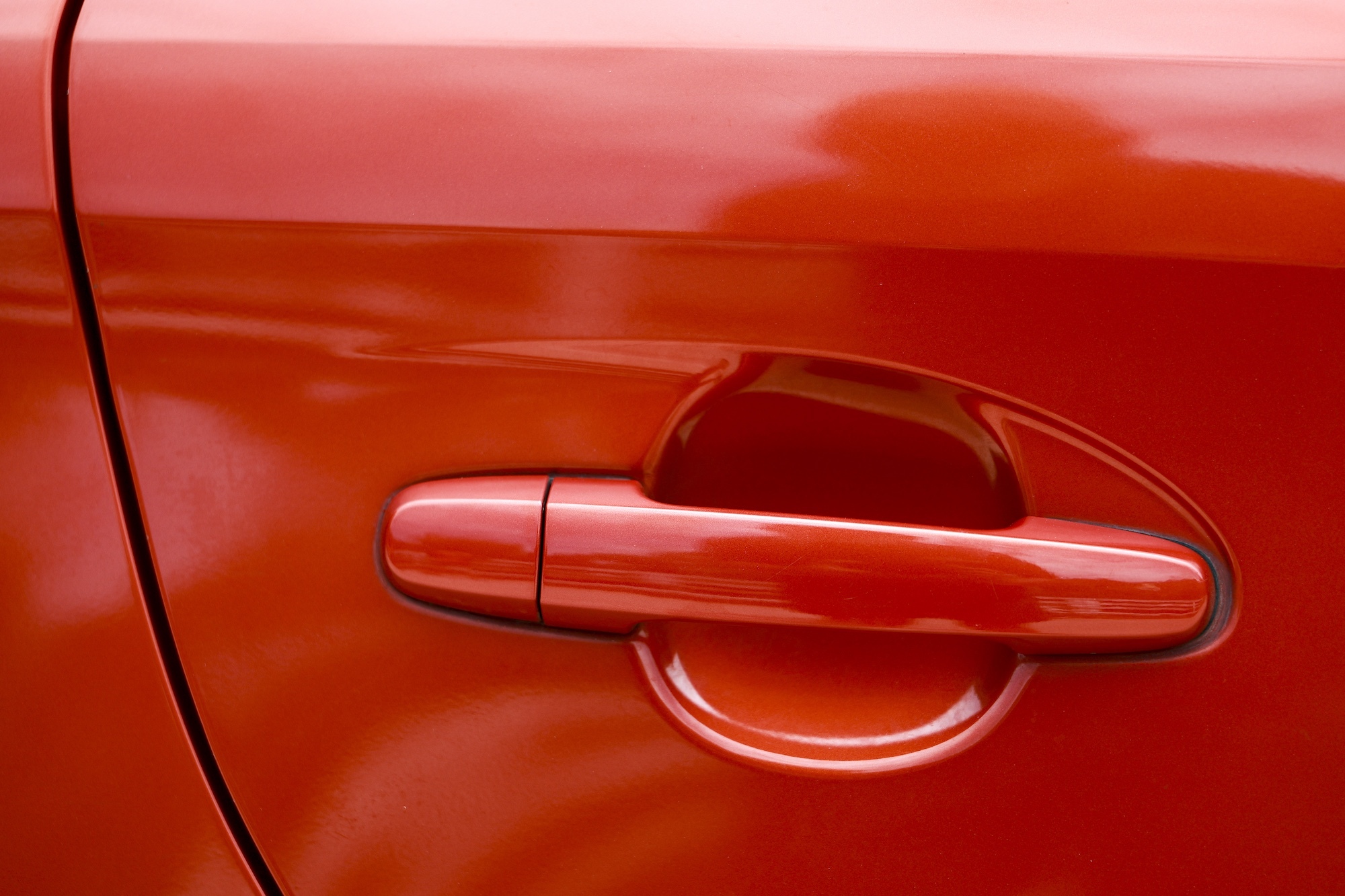
Close-up of a red car door handle

Practical and Commercial Considerations

Processing equipment fit

ASA processes on standard reciprocating screw injection molding equipment without modification. General-purpose screw designs (L/D ratio 20:1 to 24:1, compression ratio 2.5:1 to 3:1) handle all standard grades. Three-zone barrel temperature control provides adequate heat management. Non-return valves and standard tip configurations work well. Extrusion lines for profile and sheet use chrome-plated or barrier screws for consistent output. Co-extrusion systems for capstock applications require co-extrusion-optimized die designs and precise temperature control at the die face for proper layer adhesion to PVC substrates.

Cycle time and productivity notes

ASA fill and pack stages complete quickly due to good melt flow in standard grades. Cycle times are competitive with ABS for equivalent part geometry and wall thickness. Cooling requirements are moderate, with mold temperatures of 40-70°C producing good part quality. Higher mold temperatures (60-70°C) improve gloss on visible surfaces but extend cooling time slightly. Thin-wall parts of 1.5-2.5 mm wall thickness cycle at 15-25 seconds for most automotive and consumer goods applications. Extrusion throughput rates match ABS processing lines for equivalent profile and sheet production.

Drying requirements

ASA requires pre-drying before processing. Dry ASA pellets at 75-85°C for 3-4 hours in a desiccant dryer to achieve moisture content below 0.1%. Insufficient drying causes splay marks, surface bubbles, and reduced impact strength. Dehumidifying dryers are strongly recommended over simple hot-air systems for consistent results. Hopper dryers maintain dry conditions during production runs. Sealed packaging should remain closed until just before loading into the dryer to minimize pre-drying moisture pickup.

Melt and mold temperature guidance

Standard injection molding grades process at melt temperatures of 220-260°C, with most grades performing well at 230-250°C. Avoid melt temperatures above 265°C to prevent thermal degradation and color shift. Mold temperatures of 40-70°C produce the best balance of surface gloss and cycle time. Higher mold temperatures (60-70°C) maximize gloss on Class A automotive surfaces and reduce residual stress. Extrusion grades run at 200-240°C barrel temperatures. Capstock co-extrusion with PVC requires careful die temperature management to match the viscosity profiles of both materials at the die interface.

Shrinkage

Mold shrinkage of 0.4-0.7% for standard grades is consistent and well-controlled, simplifying tool design. Shrinkage is isotropic for unreinforced grades, meaning flow-direction and cross-flow values are nearly equal. Glass-filled grades show anisotropic shrinkage (0.2-0.4% in flow direction, 0.4-0.6% cross-flow), requiring directional tool corrections. Post-mold shrinkage is minimal and complete within 24 hours for most grades. Consistent shrinkage supports tight dimensional tolerances on complex exterior parts.

Dimensional stability and tolerance capability

Low water absorption (0.2-0.4%) minimizes moisture-related dimensional change in service. Standard grades achieve tolerances of 0.1-0.2 mm for typical injection-molded exterior components. Tight tolerances of 0.05 mm require controlled processing, optimized tooling, and conditioning before measurement. Thermal expansion (70-90 x 10-6 /°C) is moderate and consistent, which simplifies assembly design for parts exposed to outdoor temperature cycles from -20°C to +80°C. Glass-filled grades achieve tighter tolerances with reduced thermal expansion.

Regrind and scrap utilization

ASA accepts regrind at 10-25% for non-critical applications without significant property loss. Clean, single-source regrind from runners and sprues maintains properties close to virgin resin. Dry regrind along with virgin material before processing. UV-stabilized grades show slightly reduced outdoor durability at high regrind ratios due to dilution of the stabilizer package. Automotive and premium building applications limit regrind use to preserve color consistency and weathering performance. Grind and dry material promptly to minimize moisture pickup and oxidation.

Featured

Products and Suppliers

INEOS_Styrolution-logo-stacked_RGB-Britannia blue_Resized

Luran® SC

View Products
INEOS_Styrolution-logo-stacked_RGB-Britannia blue_Resized

Terblend® S

View Products
image

Centrex®

View Products

Frequently Asked Questions

How does ASA compare to ABS for outdoor applications?

ASA was specifically designed to overcome the primary limitation of ABS: rapid UV degradation. ABS degrades under sunlight because its polybutadiene rubber phase contains unsaturated double bonds that react with UV radiation and oxygen. This causes yellowing, surface chalking, and impact strength loss within months of outdoor exposure. ASA replaces polybutadiene with acrylate rubber, which has a saturated backbone that resists photooxidation.

Under equivalent accelerated weathering conditions (ASTM G155), ASA retains more than 80% of its impact strength after 2,000 hours while ABS retains only 20-30%. For applications sheltered from sunlight or used indoors, ABS offers equivalent performance at lower cost. For outdoor applications, ASA is the superior choice.

What is ASA capstock and how is it used?

ASA capstock is a thin layer of ASA extruded over a lower-cost substrate material, typically PVC or recycled ABS. The capstock layer (0.2-0.5 mm thick) forms the UV-resistant exterior surface of the finished product. The substrate carries the structural load and provides dimensional stability. This approach is widely used in the window profile, vinyl siding, and roofing trim industries.

Co-extruding ASA over PVC reduces material cost by 40-60% compared to solid ASA profiles while delivering the same outdoor surface performance. Capstock grades are formulated to match the viscosity and thermal characteristics of common PVC compounds at co-extrusion die temperatures.

Does ASA require painting or UV coating for outdoor use?

No. Standard ASA grades are designed for outdoor service without additional surface protection. The UV stability of ASA comes from its molecular structure and built-in stabilizer systems, not from applied coatings. This is a key advantage over ABS, polycarbonate, and many other thermoplastics that require paint or UV protective coating for outdoor durability.

Premium grades with SPF30-level UV stabilization packages, such as INEOS Styrolution's Luran S SPF30, extend outdoor performance further for demanding exposure conditions. Painting is an option for color changes or additional surface protection, but it is not required for UV performance.

What processing differences should I expect when switching from ABS to ASA?

The transition from ABS to ASA is straightforward because both materials process on the same equipment at similar temperatures. Melt temperatures for ASA (220-260°C) run slightly higher than typical ABS processing (200-250°C). Mold temperatures are similar at 40-70°C. Drying requirements for ASA (75-85°C , 3-4 hours) are comparable to ABS. Mold shrinkage values align closely at 0.4-0.7% for both materials, which means existing tooling generally produces dimensionally acceptable parts without modification.

The main adjustment involves cleaning solvents for mold and equipment maintenance. Avoid ketone-based purging compounds and cleaning agents, as these attack ASA surfaces more aggressively than ABS. Aliphatic cleaners and waterborne mold release agents are compatible with ASA processing lines.

What industries and applications are best suited for ASA resin?

ASA fits any application requiring durable outdoor performance from a thermoplastic that processes like ABS. Building and construction is the largest application area, covering window profiles, vinyl siding capstock, roofing trim, and outdoor drainage components. Automotive exterior is the second major area, with ASA used in mirror housings, grilles, door handles, and trim components that require UV stability and a Class A surface without paint.

Outdoor electrical enclosures, telecommunications hardware, garden equipment, and recreational vehicle body panels represent additional high-volume uses. The 3D printing market also uses ASA filament for printed parts requiring outdoor UV resistance, where ASA has largely replaced ABS for outdoor applications.

Connect with Our Experts Today

If you need some extra guidance in finding the right product, fill out the form and our team will be in touch shortly.

Contact Us

Browse and Order Products on Formerra+

Explore Our Products on Formerra+ Discover the full range of high-quality products on the upgraded Formerra+ online experience.

Visit Formerra+

Sources

Acrylonitrile Styrene Acrylate (ASA) Properties and Processing. INEOS Styrolution. 2023. 

Luran S Technical Data Sheets. INEOS Styrolution. 2024.

ASA Resin Chemistry and Applications. Encyclopedia of Polymer Science. Wiley. 2022.

Weatherable Polymers for Outdoor Applications. Society of Plastics Engineers Technical Paper. 2022.

Plastic Materials Selection Guide for Building and Construction. Plastics Industry Association. 2023.

Formerra
Contact Us View Suppliers
  • About
    • Careers
    • Leadership
    • Newsroom
  • Resources
    • Blog
    • Datasheets
  • Formerra+
    • Login
    • Register
    • Shop Products
Linkedin

Sitemap |  Privacy Policy |  Terms and Conditions of Sale |  Website Legal Disclaimer