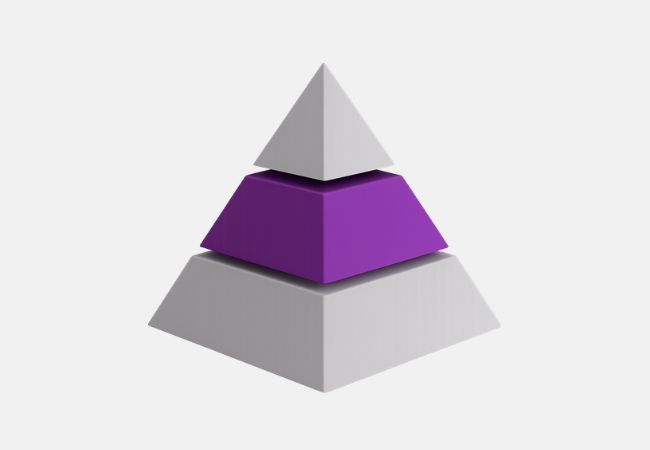
Acetal Homopolymer
Pure CH₂O repeating units with end caps, uniform molecular backbone. Highest mechanical strength, stiffness, fatigue resistance; centerline porosity concern.
Acetal, also known as polyoxymethylene (POM), is a high-performance engineering thermoplastic that delivers an exceptional balance of mechanical strength, stiffness, and low friction properties. Engineers specify acetal plastics when applications demand dimensional stability, wear resistance, and precision that commodity plastics cannot provide.
The material exists in two distinct forms: acetal homopolymer offers maximum mechanical properties and stiffness, while acetal copolymer provides superior chemical resistance and thermal stability. This fundamental distinction drives material selection across automotive precision components, medical devices, consumer products, and industrial machinery where acetal replaces metals to reduce weight, eliminate corrosion, and consolidate multi-part assemblies into single molded components.
The molecular structure of polyoxymethylene consists of repeating CH₂O units forming a highly crystalline polymer (75-85% crystallinity) that delivers exceptional stiffness and strength. Homopolymer maintains a straight chain with end caps, creating a uniform backbone that produces the highest mechanical properties but introduces centerline porosity concerns in thick-walled sections.
Copolymer incorporates a comonomer approximately every 70-100 repeating units, sacrificing 5-10% mechanical performance to eliminate centerline porosity and improve long-term thermal stability.
Both types process primarily through injection molding at 190-220°C, with acetal's low melt viscosity enabling thin-wall molding, complex geometries, and cycle times of 20-60 seconds. The material machines exceptionally well from extruded rod and sheet stock, allowing CNC fabrication of prototypes and low-volume precision parts without tooling investment.
Material selection between homopolymer and copolymer hinges on application-specific performance requirements.
Choose acetal homopolymer when maximum tensile strength (70 MPa), highest stiffness (3,100 MPa modulus), and superior fatigue resistance drive specifications for load-bearing gears, structural springs, and high-stress snap-fits.
Select acetal copolymer when chemical exposure to acids, bases, or hot water matters more than ultimate strength, or when thick-walled parts (over 6mm) risk centerline porosity with homopolymer processing.
Glass-reinforced grades (10-30% loading) increase stiffness to 7,000-10,000 MPa and reduce creep for structural applications, though reinforcement eliminates the self-lubricating surface finish. Lubricated grades incorporate PTFE or silicone for enhanced wear resistance in bearing and gear applications experiencing continuous sliding contact.
Regulatory compliance positions acetal for both industrial and regulated markets. FDA 21 CFR 177.2470 approves acetal homopolymer grades for repeated food contact applications, supporting use in food processing equipment, conveyor components, and packaging machinery.
Medical device manufacturers specify USP Class VI biocompatible grades for drug delivery mechanisms, surgical instrument housings, and diagnostic equipment where dimensional precision and chemical resistance prove critical. UL 94 flammability ratings (HB standard, V-2 and V-0 flame-retardant grades available) meet electrical component safety requirements. REACH and RoHS compliance enables acetal use in European automotive and electronics markets. NSF-51 certification supports potable water contact applications in plumbing fixtures and valve components.
As an acetal material distributor, Formerra provides access to both homopolymer and copolymer grades for precision engineering applications across industries:
60-70 MPa (homopolymer), 55-65 MPa (copolymer), 90-130 MPa (glass-reinforced)
2,600-3,100 MPa (unreinforced), 7,000-10,000 MPa (glass-reinforced)
90-110 MPa (unreinforced), 140-200 MPa (glass-reinforced)
2,400-2,900 MPa (unreinforced), 6,500-9,500 MPa (glass-reinforced)
25-75% (depending on grade and reinforcement)
50-80 J/m (homopolymer), 40-70 J/m (copolymer)
R118-125
10⁷+ cycles at appropriate stress levels
<1% creep at 20 MPa stress after 1000 hours at 23°C
-40°C to +90°C (standard grades),
up to 110-120°C (heat-stabilized and glass-reinforced grades)
110-136°C at 0.45 MPa (unreinforced),
150-165°C (glass-reinforced)
175°C (homopolymer),
165°C (copolymer)
Not applicable (highly crystalline, 75-85% crystallinity)
190-220°C (homopolymer),
180-210°C (copolymer)
100-110 × 10⁻⁶/°C (unreinforced),
40-60 × 10⁻⁶/°C (glass-reinforced)
0.31 W/(m·K)
1.46 J/(g·K)
UL94 HB (standard grades, 25-75 mm/min burn rate),
V-2 to V-0 (flame-retardant grades)
0.22-0.25% at equilibrium (24h at 23°C). Extremely low moisture absorption maintains dimensional stability in humid environments. Superior to nylon (1.5-2.5%), enabling tight tolerance maintenance regardless of humidity fluctuations.
Fair to Poor without stabilization. Unstabilized grades degrade under prolonged UV exposure with yellowing and property loss. UV-stabilized formulations available for outdoor applications with enhanced resistance to discoloration and mechanical property retention.
Moderate. Prolonged exposure to hot water/steam (>80°C) causes hydrolytic degradation. Copolymer resists boiling water and steam better than homopolymer due to absence of centerline porosity. Hydrolysis-resistant grades available for demanding applications.
Good resistance to environmental stress cracking in most applications. Strong acids (pH <4), strong bases (pH >10), and chlorinated solvents cause stress cracking under load. Better chemical resistance than polycarbonate for hydrocarbon environments.
3.7-4.0
18-22 kV/mm
10¹⁴-10¹⁵ ohm·cm
0.004-0.010
120-180 seconds
600 (excellent electrical insulation)
1.41-1.43 (unreinforced),
1.52-1.65 (glass-reinforced)
0.22-0.25% (24 hours at 23°C, equilibrium)
1.8-2.5% (unreinforced),
0.3-0.8% (glass-reinforced)
0.20-0.35 (against steel, dry),
0.15-0.25 (lubricated grades)
PV limit 0.5-1.0 MPa·m/s (standard),
1.5-3.5 MPa·m/s (bearing grades)
Alcohols (methanol, ethanol, isopropanol), aliphatic hydrocarbons (gasoline, diesel, mineral oils, greases), weak bases, salt solutions, automotive fluids (motor oil, transmission fluid, antifreeze)
Weak acids (pH 4-6), esters and ketones at room temperature, aqueous cleaning chemicals, hot water (copolymer superior to homopolymer)
Hot water/steam >80°C (causes hydrolysis), chlorine bleach (degrades copolymer in certain concentrations)
Strong acids (pH <4), strong bases (pH >10), chlorinated solvents (methylene chloride, chloroform), oxidizing acids (nitric, sulfuric), aromatic hydrocarbons (toluene, xylene)
Superior chemical resistance to nylon for hydrocarbon and acidic environments. Better dimensional stability than nylon in wet conditions.
| Compared To | Acetal Advantages | When to Choose Acetal |
| Polyamide (Nylon) | Superior dimensional stability (0.25% vs 2-8% moisture absorption), eliminates dimensional changes in humid environments, maintains tighter tolerances | Precision gears, medical device components, applications where humidity fluctuates, tight tolerance requirements |
| UHMW-PE | Significantly higher stiffness and creep resistance while maintaining excellent wear properties | Load-bearing applications requiring structural rigidity, parts needing both wear resistance and dimensional stability |
| PBT Polyester | Better low-friction performance, easier machinability | Self-lubricating bearings, precision machined components (PBT offers superior electrical properties and chemical resistance) |
| Zinc/Aluminum | Half the weight of aluminum, corrosion resistance, single-step injection molding eliminates multi-step machining/finishing/assembly, lower manufacturing costs | Automotive and consumer products requiring weight reduction, corrosion resistance, design consolidation |
Surface finish capability: Excellent high-gloss achievable with mirror-polished molds (SPI A-1). Takes mold polish well for smooth surfaces. Accepts textures (VDI, SPI standards) cleanly. Glass-reinforced grades show fiber texture on surface. Gate blush is possible with improper processing. Maintain 0.5mm minimum radii on edges to prevent tool marks and stress risers.
Sink/warpage/visible defects tendency: Moderate sink marks at heavy sections due to high crystallinity (75-85%). Warpage risk with uneven wall thickness, especially in glass-reinforced grades due to anisotropic shrinkage. Uniform wall thickness (1.5-3mm optimal) prevents distortion. Post-mold shrinkage stabilizes within 24-48 hours. Maximum 6mm wall thickness for homopolymer to avoid centerline porosity.
Colorability: Good color range through masterbatch addition. Opaque and translucent formulations available (not transparent due to crystalline structure). Natural (white/off-white) and custom colors achievable. Black grades offer UV protection for outdoor applications. Heat-stable pigments required for processing temperatures (190-220°C).
Color stability: Excellent with UV stabilization for outdoor applications. Unprotected grades yellow with prolonged UV exposure and lose mechanical properties. UV-stabilized grades maintain color and properties in harsh environments. Pigments must withstand processing temperatures without degradation.
Scratch/chemical mar resistance: Moderate scratch resistance with surface hardness R118-125. Excellent resistance to oils, greases, gasoline, diesel, and automotive fluids. Good resistance to alcohols and weak acids. Resists most cleaning chemicals. Limited resistance to strong solvents (chlorinated hydrocarbons, ketones) which cause surface crazing under stress.
Marking methods: Laser marking produces high-contrast, permanent marks without surface damage. Pad printing works well with proper inks. Hot stamping creates durable graphics. Inkjet printing is suitable for variable data. Screen printing adheres with surface treatment. In-mold decoration is possible for integrated graphics. Embossing and debossing produce clean, raised/recessed features.
Coating/painting/plating suitability: Paintable with surface pretreatment (flame treatment, plasma, corona discharge) to improve adhesion. Metallization is possible for decorative chrome-like finishes on automotive trim. Two-component adhesives bond well with surface preparation. Clear coatings enhance chemical resistance. Chrome plating requires specialized surface preparation and intermediate layers.
Joining methods: Ultrasonic welding produces strong, hermetic joints with proper joint design and triangular energy directors (20-40 kHz frequency). Vibration welding suitable for larger parts. Hot plate welding creates hermetic seals for fluid-tight assemblies. Solvent bonding with methylene chloride works for homopolymer (copolymer more difficult). Adhesive bonding requires surface treatment for optimal strength. Mechanical fastening (screws, press-fits, snap-fits) works well with proper boss design and generous radii. Snap-fits perform excellently due to creep resistance and fatigue endurance.
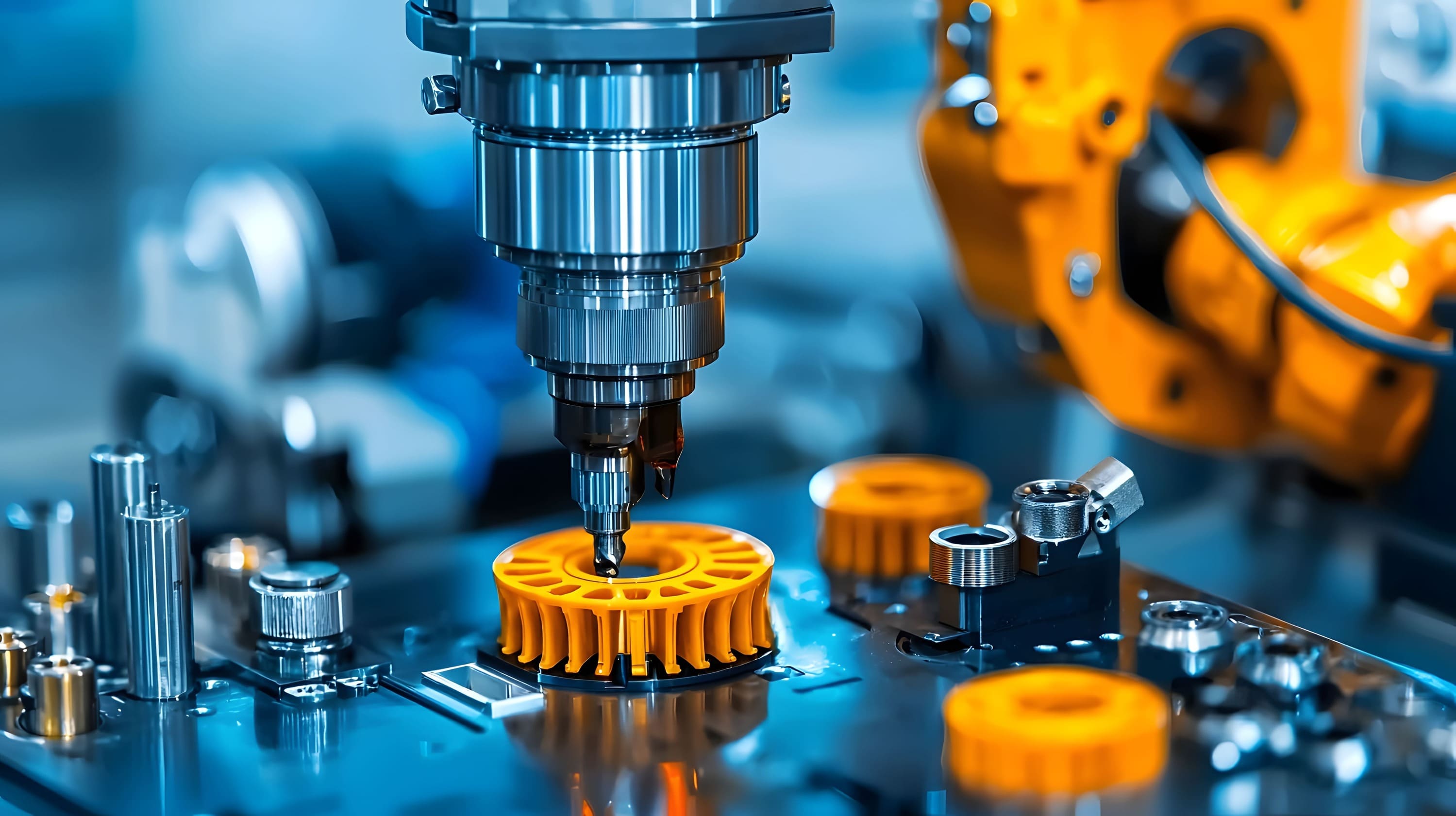


Acetal, also known as polyoxymethylene (POM), is a high-performance engineering thermoplastic offering exceptional mechanical strength (60-70 MPa tensile), dimensional stability (0.25% moisture absorption), and low friction properties (COF 0.20-0.35). Engineers specify acetal plastics for precision components across automotive fuel systems (sender assemblies, vapor canisters), medical devices (metered-dose inhalers, autoinjector mechanisms, surgical instruments), consumer products (aerosol valves, zipper sliders, small appliance gears), and industrial machinery (conveyor components, precision bearings, textile guides). The material exists as homopolymer (maximum strength) or copolymer (better chemical resistance), processing through injection molding at 190-220°C with cycle times of 20-60 seconds. Acetal replaces metals in applications requiring corrosion resistance, weight reduction, and elimination of lubrication, while maintaining tight tolerances regardless of humidity.
Acetal homopolymer consists of pure CH₂O repeating units with end caps, delivering maximum mechanical properties (70 MPa tensile strength, 3,100 MPa modulus, superior fatigue resistance) for high-load gears, structural springs, and precision mechanisms. The uniform molecular backbone provides 5-10% higher stiffness and strength than copolymer but develops centerline porosity in thick sections (over 6mm) during cooling. Acetal copolymer incorporates a comonomer every 70-100 units, sacrificing ultimate mechanical performance (65 MPa tensile, 2,900 MPa modulus) to eliminate centerline porosity and improve long-term thermal stability above 100°C. Copolymer resists hot water, steam, and strong bases better than homopolymer, making it preferred for plumbing fixtures, chemical processing components, and thick-walled parts. Choose homopolymer when maximum strength and stiffness drive specifications. Select copolymer when chemical resistance, hot water contact, or thick-wall geometry matter more than ultimate properties.
Acetal provides continuous service from -40°C (minimum before brittleness increases) to +90°C (standard grades) with short-term excursions to 140°C acceptable for intermittent heat exposure. Glass-reinforced and heat-stabilized grades extend continuous use to 110-120°C for under-hood automotive and elevated-temperature industrial applications. The material maintains mechanical properties across this range, with creep resistance decreasing above 60°C requiring stress reduction or grade selection changes. Processing temperatures range from 190-220°C (homopolymer) and 180-210°C (copolymer), with thermal decomposition generating formaldehyde above 230°C requiring temperature control. Heat deflection temperature (HDT) measures 110-136°C at 0.45 MPa load (unreinforced) or 150-165°C (glass-reinforced), indicating load-bearing capability at elevated temperatures. Acetal homopolymer melts at 175°C while copolymer melts at 165°C. Applications experiencing temperatures above 90°C continuous or 140°C intermittent require polyphthalamide (PPA), polyphenylene sulfide (PPS), or other high-temperature polymers.
Acetal delivers superior dimensional stability compared to nylon due to near-zero moisture absorption (0.25% vs 1.5-2.5% for nylon), maintaining tight tolerances (±0.05-0.10mm) in humid environments where nylon swells and loses properties. This fundamental difference makes acetal preferred for precision gears requiring consistent backlash, electrical connectors maintaining pin alignment, and medical devices demanding dimensional accuracy independent of humidity (20-85% RH). Acetal also provides better hydrocarbon resistance for fuel system components and lower friction (COF 0.20-0.35 vs 0.35-0.45) for self-lubricating bearings and sliding mechanisms. Nylon offers higher impact strength (particularly at low temperatures), better wear resistance for dry bearing applications, and lower cost (30-40% less than acetal). Nylon also provides higher continuous use temperature (100-120°C vs 90°C for standard acetal) and better chemical resistance to certain organic solvents. Choose acetal when dimensional stability, low moisture absorption, or fuel/oil resistance prove critical. Select nylon when impact toughness, abrasion resistance, or cost matter more than dimensional precision.
Injection molding dominates acetal processing (95% of applications), running at barrel temperatures of 190-220°C (homopolymer) or 180-210°C (copolymer) with mold temperatures of 80-110°C balancing crystallization speed with dimensional accuracy. The material's low melt viscosity enables thin-wall molding (0.5-1.0mm), complex geometries, and rapid cycle times (20-60 seconds) at injection pressures of 70-120 MPa. Hot runner systems reduce material waste and improve consistency. Extrusion produces rod, sheet, and tube stock for CNC machining applications, processing at 190-210°C with cooling control maintaining dimensional stability. Machined acetal parts suit prototyping and low-volume production, with the material cutting cleanly at 100-300 m/min speeds without special tooling. Blow molding creates small containers and bottles at limited scale, extruding parisons at 200-220°C and inflating with compressed air. All processes require moisture control (acetal absorbs minimal moisture but drying at 80-90°C for 2-4 hours recommended if pellets exposed to humidity), proper venting preventing gas traps, and temperature monitoring avoiding thermal decomposition above 230°C that generates formaldehyde.
Discover the full range of high-quality products on the upgraded Formerra+ online experience.
Visit Formerra+If you need some extra guidance in finding the right product, fill out the form and our team will be in touch shortly.
Contact UsSources
Acetal (POM) Plastic: Properties, Uses & Application. SpecialChem. 2025.
Delrin Acetal Homopolymer Design Guide. DuPont. 2024.
Celcon Acetal Copolymer Technical Guide. Celanese Corporation. 2025.
Acetal Resin Material Selection Guide. Society of Plastics Engineers. 2024.
Delrin vs Acetal Copolymer White Paper. DuPont/Formerra. 2024.